Automatic spray coating machines are no longer reserved for high-volume factories. They help manufacturers apply repeatable films to metal panels, furniture parts, vehicle components, and other products. Yet “automatic” covers several different setups. A conveyorized spray line, a reciprocating gun system, and a robotic cell do not solve the same production problem.
The market context is expanding. Grand View Research estimates that the global powder coatings market reached USD 15.8 billion in 2023 and projects a 5.4% compound annual growth rate from 2024 to 2030. That figure describes coatings, not machine sales, so it should not be read as a direct measure of equipment demand. The International Federation of Robotics reported 541,302 industrial robots installed worldwide in 2023, reflecting broader factory automation. It does not isolate coating robots. That distinction matters.
This guide compares the leading Automatic Spray Coating Machine types by motion, application method, and production fit. It covers reciprocating systems, robotic spray cells, automatic gun arrays, and electrostatic equipment. Expect practical trade-offs: a robot can follow complex contours, while a fixed line may coat uniform parts faster. Neither is universally best. No machine is perfect. Actual results depend on coating viscosity, part geometry, line speed, transfer efficiency, and maintenance. Even a well-specified system can disappoint when pretreatment or airflow is overlooked. The aim is to clarify what each machine does, where it performs well, and which questions deserve careful testing before purchase.
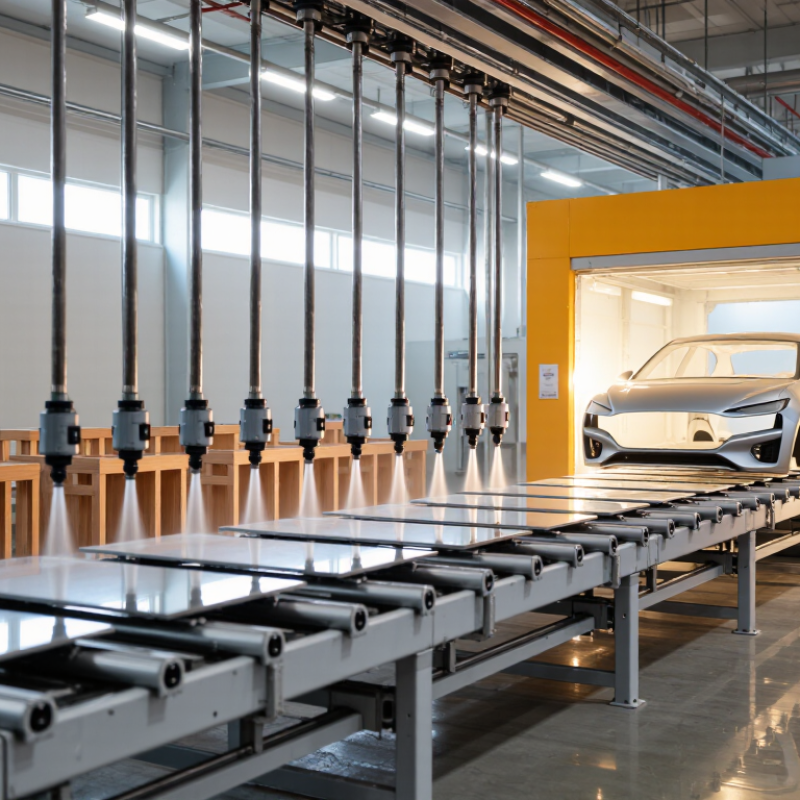
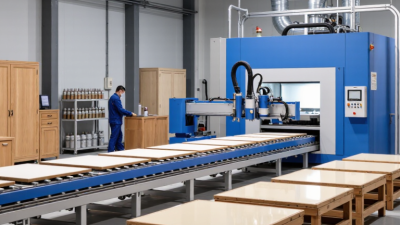
Automatic reciprocating spray coating machines move spray guns back and forth across a workpiece or conveyor line. This steady travel helps apply coatings evenly to broad, relatively flat surfaces. Typical applications include cabinet panels, doors, furniture parts, and sheet materials.
A consistent finish depends on more than the machine’s movement. Gun distance, travel speed, spray overlap, coating viscosity, and atomizing pressure all affect coverage. For example, if the gun moves too quickly, the center of a panel may look lighter than its edges. A test panel can reveal this before a full production run. That matters.
These machines can reduce repetitive manual work and help keep coating results consistent across batches. They are less straightforward with deep recesses, irregular contours, or areas hidden from the spray path. Operators may need to adjust gun angles or use another coating method for those features. Not every surface behaves alike. A setup can look precise on paper yet leave thin spots after drying. Regularly checking nozzles, filters, and sample pieces helps catch problems early, though it does not replace careful process tuning.
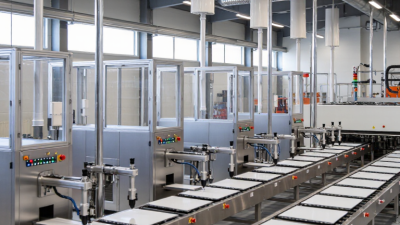
Robotic spray coating systems use programmed arms to keep gun distance, angle, and travel speed consistent across repeated parts. This matters on curved panels, where a small change in angle can leave thin edges or heavy wet spots. Operators typically tune fluid flow, atomizing air, overlap, and conveyor speed for each coating and geometry. The International Federation of Robotics reported 541,302 industrial robot installations worldwide in 2023, in World Robotics 2024. That figure covers all industrial robots, not coating systems alone. It nevertheless shows the scale of factory automation surrounding robotic finishing. Small details matter.
A practical setup combines the robot with a spray gun, part fixtures, ventilation, and process monitoring. A technician may check spray patterns on test panels, then compare dry-film thickness across edges and recesses. Sensors can flag deviations, but they do not automatically fix poor part positioning or changing coating viscosity. That is where experience still counts. Programming every motion can take time, and complex parts may need careful path adjustments. I would not assume a robot always reduces coating use; transfer efficiency depends on the gun, material, booth conditions, and maintenance. Regular nozzle checks and recorded process settings help teams trace defects instead of guessing.
Conveyorized automatic spray coating lines carry parts through controlled spray zones at a repeatable pace. They suit steady production, especially when components need an even finish across many batches. Flat-belt systems can handle lightweight panels, while overhead or chain conveyors keep larger parts suspended. Fixture-based lines support irregular shapes. The right setup depends on part geometry, coating behavior, and required coverage.
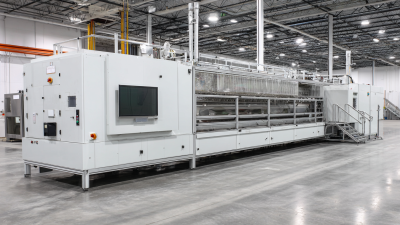
A typical line may include a loading area, surface preparation, spray booth, flash-off zone, and curing stage. Sensors can adjust spray timing as parts pass, while exhaust and filtration help capture airborne coating material. Small details matter: a poorly placed hanger can leave a shadow, and uneven spacing may cause inconsistent coverage. Watch the edges.
Line speed, spray pattern, and coating thickness need careful adjustment together. Operators often inspect test pieces under bright, angled light to spot thin areas or excess buildup. Still, automation does not remove every judgment call. A change in part shape or coating viscosity can require fresh trials, and those trials take time. A conveyor line is productive, but it can also repeat a mistake quickly if inspection is neglected.
Rotary-table spray coating machines carry parts around a circular platform, bringing each item through a controlled spray area. They suit small or medium components that need repeatable coverage, such as knobs, fittings, and molded housings. Operators can load parts into dedicated fixtures, then set the table to rotate continuously or pause at each station. That pause can help with precise spraying, though it may reduce output.
The layout matters. Spray guns need enough distance and the right angle to reach edges without flooding flat surfaces. A recessed groove can remain thinly coated if the part faces the wrong direction. Small trials reveal these issues better than assumptions do. Watch the first few cycles. Check coating thickness, finish, and overspray on nearby surfaces. Not every shape fits.
Good results also depend on consistent part spacing, coating viscosity, and stable spray settings. Extraction and filtration help manage airborne paint, while routine cleaning prevents residue from changing the spray pattern. The rotary table itself is only one part of the process. A fixture that holds a component securely can improve consistency, but custom fixtures take time to design and maintain. Sometimes the simple setup needs another adjustment.
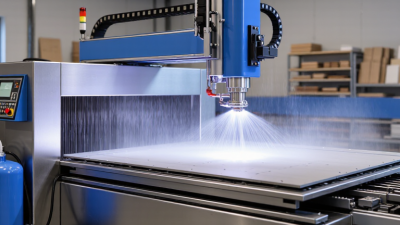
Gantry-type automatic spray coating machines move a spray head across a workpiece held on a fixed table or conveyor. Their bridge-like frame travels along rails, while the gun can move across and above the part. This layout suits broad, relatively flat surfaces such as cabinet panels, metal sheets, and doors. It can also handle repeatable coating paths on batches of similar components.
Operators typically set the travel speed, spray distance, and path in a controller. Consistent settings can reduce visible variation between passes, but results still depend on coating viscosity, nozzle condition, and surface preparation. A practical setup includes secure fixtures, clearances around the workpiece, and extraction suited to the coating process. Check test panels under the same conditions as production. Small changes matter.
The machine’s open working area can make loading and inspection straightforward. It may also require more floor space than a compact enclosed unit. Overspray can collect on rails or nearby surfaces if the spray path is poorly planned. That is easy to overlook. Regular cleaning and alignment checks help maintain predictable motion, though they cannot compensate for an unsuitable spray pattern. Before choosing a system, compare the largest part dimensions, required throughput, and coating coverage needs. The best gantry is not always the fastest one; careful trials may reveal that a slower, more controlled pass produces a better finish.
| Machine Type | How It Works | Typical Workpieces | Key Advantages | Important Considerations |
|---|---|---|---|---|
| Gantry-Type Automatic Spray Coating Machine | A spray head moves along a bridge or gantry, commonly across two or three controlled axes, while the workpiece remains on a table or conveyor. | Large panels, doors, boards, furniture components, and other parts with broad or programmed surface paths. | Provides repeatable programmed paths and can cover wide work areas. A stationary workpiece can simplify handling for flat or large parts. | Requires adequate floor space and suitable part fixturing. Complex shapes may need additional axes, part rotation, or multiple spray passes. |
| Reciprocating Spray Machine | One or more spray guns move back and forth along a set path, often while parts travel past on a conveyor. | Repeated parts with relatively consistent dimensions and coating requirements. | Offers consistent motion and can suit repeated production where the spray path and part presentation remain stable. | Less adaptable to frequent changes in part shape or spray path than a programmable multi-axis system. |
| Rotary-Table or Indexing Spray Machine | Parts are mounted on a rotating table or fixtures that index between loading, spraying, and other process stations. | Small to medium components that can be securely fixtured and presented in repeatable positions. | Combines multiple process steps in a compact layout and supports repeatable presentation of batch parts. | Fixture design and loading time affect productivity. Part size and geometry must suit the table and station layout. |
| Conveyorized Spray Coating Line | Parts move through a spray zone on a conveyor, with coating equipment arranged along the production line. | Parts suited to continuous transport and a reasonably consistent production sequence. | Supports a continuous workflow and can connect coating with upstream and downstream operations. | Needs coordinated conveyor speed, spray timing, and part spacing. Line layout and ventilation must be planned for the coating process. |
| Industrial Robot Spray Cell | A programmed robot moves the spray gun around a stationary or positioned workpiece, following defined paths. | Three-dimensional parts, varied surfaces, and jobs that require changes to the programmed spray path. | Offers flexible motion and can reach multiple surface orientations when the part, tooling, and cell are designed appropriately. | Programming, safety systems, and process setup require planning. Reach and payload limits depend on the selected robot and tooling. |