Leave Your Message

What Is a Spray Coating Machine and How Does It Work?

A Spray Coating Machine turns liquid coating into controlled droplets, then directs them onto metal, plastic, wood, or composite surfaces. Its core system includes a pump, fluid lines, atomizing nozzle, air supply, and control panel. Picture the process closely: the coating enters under pressure, breaks into a fine mist, and lands across the workpiece like an even veil. Spray pressure, viscosity, nozzle size, distance, and travel speed all affect the final film.

The market is expanding with stricter efficiency demands. Grand View Research valued the global paints and coatings market at approximately USD 206.56 billion in 2023, with continued growth projected through 2030. MarketsandMarkets also identifies automated spray equipment as a growing segment, driven by manufacturing consistency and reduced material waste. These figures indicate momentum, but they do not guarantee that every machine suits every factory.

As coatings engineer Dr. Paul R. Montavon explains, “Coating quality is never created by the spray gun alone; it is created by the complete process.” That principle matters. A technically advanced Spray Coating Machine can still produce orange peel, runs, or weak adhesion when preparation is poor. Operators must check surface cleanliness, humidity, fluid temperature, and curing conditions. Small details matter.

This guide examines how the machine works, where it performs best, and why process control remains difficult. Some manufacturer claims also deserve closer testing. Real production results should outweigh impressive brochures.
What Is a Spray Coating Machine and How Does It Work?

What Is a Spray Coating Machine?

A spray coating machine is an industrial system that applies a controlled layer of liquid, powder, or molten coating. It uses pressure, compressed air, electrostatic force, or heat to break coating material into fine droplets or particles. These particles travel toward a prepared surface and form a continuous film. That is the core idea.

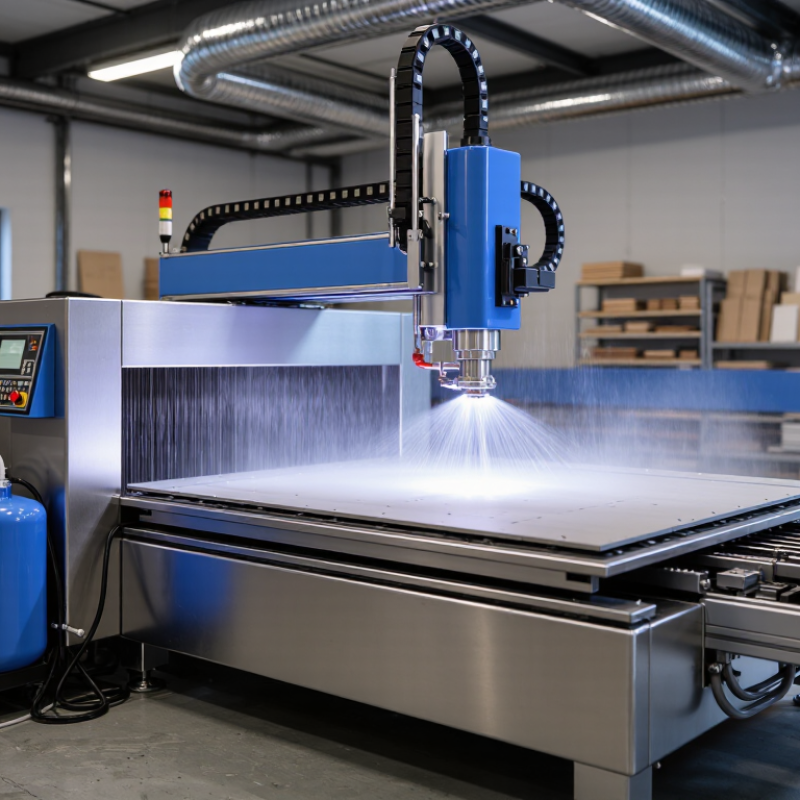
The machine normally includes a material tank, pump, atomizing nozzle, control panel, airflow system, and recovery or filtration unit.

Operators adjust pressure, flow rate, spray distance, and curing conditions for each substrate.

During operation, the nozzle controls the spray pattern. A wider pattern covers large panels faster, while a narrower pattern improves access around edges and corners. Electrostatic systems charge particles and attract them toward grounded workpieces. This can improve deposition, but grounding and humidity still matter.

The U.S. Environmental Protection Agency identifies transfer efficiency as a major factor in industrial spray application performance. Poor adjustment can create overspray, uneven thickness, and wasted material.

Industry research also shows why these machines receive attention. Grand View Research reported continued growth in the global thermal spray coatings market, supported by demand from energy, transportation, and manufacturing sectors.

Yet a machine does not guarantee a perfect finish. Dust, incorrect viscosity, or rushed surface preparation can defeat advanced controls. In practical testing, technicians often measure wet-film or dry-film thickness at several points.

A smooth appearance may still conceal weak adhesion. That part deserves more skepticism. Calibration records, operator training, and regular nozzle inspection remain essential for reliable results.
What Are the Main Parts of a Spray Coating Machine?

What Is a Spray Coating Machine and How Does It Work?

A spray coating machine applies a controlled liquid layer to a surface. It uses pressure, airflow, or both to break coating material into fine droplets. These droplets travel through a spray gun and settle across the workpiece. The machine may operate manually, semi-automatically, or through programmed movement. Its purpose is simple: improve coverage, thickness control, and production consistency.

What Are the Main Parts of a Spray Coating Machine?

The material tank stores the coating and keeps it ready for delivery. A pump moves the liquid through hoses and maintains steady pressure. Filters remove particles that could block the nozzle or create rough spots. The pressure regulator controls flow strength, while the spray gun shapes the coating pattern. Its nozzle size strongly affects coverage and surface texture. A conveyor, fixture, or rotating table positions the workpiece. Some machines also include a drying or curing chamber. Each part matters. One weak connection can affect the entire finish.

Tips

Check the filter before each shift. Clean the nozzle after use. Measure coating thickness at several points, not just the center. In practical work, perfect uniformity is difficult. Temperature, humidity, and operator movement can change the result. I would not trust one test panel alone. Compare several samples and record the settings. Small adjustments often prevent costly rework.

How Does a Spray Coating Machine Work Step by Step?

What Is a Spray Coating Machine and How Does It Work?

A spray coating machine applies a controlled liquid layer to a surface. Its job is not simply to spray faster. It must manage coating flow, pressure, distance, and movement. The process begins with surface preparation. Dust, oil, and moisture can weaken adhesion, so the operator cleans and dries the workpiece. The coating is then mixed according to its technical instructions. Viscosity is checked before spraying. This small check matters. A thick mixture may clog the nozzle, while a thin mixture can create runs.

The machine draws coating from a container and moves it through a pump or pressure system. At the nozzle, the liquid breaks into fine droplets. Air pressure or fluid pressure controls the spray pattern. The operator adjusts the fan width, flow rate, and spray distance. The workpiece or spray head then moves at a steady speed. Overlapping each pass slightly helps prevent bare strips. Not every surface needs the same overlap.

After spraying, the coated part enters a drying or curing stage. Temperature, airflow, and time affect the final finish. Technicians inspect the surface for pinholes, uneven color, sagging, or dry spray. If defects appear, they check the settings before blaming the material. I have learned that small changes can produce surprising results. A slower pass may improve coverage, but it can also cause pooling. The process is repeatable, but not perfectly automatic. Careful observation still matters.

Which Materials and Surfaces Can It Coat?

What Is a Spray Coating Machine and How Does It Work?

Which Materials and Surfaces Can It Coat?

A spray coating machine atomizes liquid material into controlled droplets. It then distributes them across a prepared surface. Pump pressure, nozzle size, viscosity, and movement speed affect film thickness. Common materials include waterborne coatings, solventborne coatings, epoxy systems, polyurethane, and UV-curable formulas. Some machines also handle conductive or heat-sensitive formulations with modified settings.

Suitable surfaces include steel, aluminum, plastics, wood, glass, ceramics, concrete, and composite panels. Each surface behaves differently. Metal often needs cleaning and corrosion protection. Plastics may require flame, plasma, or corona treatment. Wood can absorb coating unevenly. Glass needs careful surface preparation, or adhesion may fail. Porous concrete usually requires sealing first.

Transfer efficiency is also important. U.S. EPA AP-42 data reports approximately 20–40% efficiency for conventional air spray, 40–65% for HVLP systems, and 60–95% for electrostatic spraying. Actual results depend on geometry and operator control. I have seen excellent equipment produce poor finishes when the coating was too cold or the surface carried dust. A perfect spray pattern can still fail. Not every material suits every nozzle, and this is where many specifications need more honest testing.

What Factors Affect Spray Coating Quality?

What Is a Spray Coating Machine and How Does It Work?

What Factors Affect Spray Coating Quality?

A spray coating machine atomizes liquid material into fine droplets and directs them onto a prepared surface. Quality depends on more than the machine itself. The coating material must have a stable viscosity, clean composition, and suitable temperature. If the liquid is too thick, the spray pattern may become uneven. If it is too thin, the film can sag or cover poorly.

Air pressure, nozzle size, spray distance, and gun movement directly affect the final layer. Too much pressure creates overspray and wastes material. Too little pressure may produce rough, incomplete coverage. Keep the gun moving. A consistent distance helps maintain an even film thickness. Operators should also consider surface preparation. Dust, oil, moisture, or rust can weaken adhesion and create visible defects.

Temperature and humidity influence drying speed and surface appearance. In practice, I would check these conditions before adjusting the machine. However, one setting rarely works for every material or workpiece. Small trials are often necessary. Quality checks should include wet film thickness, dry film thickness, edge coverage, and surface texture. A test panel can reveal problems before full production begins. It may show pinholes, runs, dry spray, or uneven gloss. Even experienced operators can miss defects under poor lighting. Some issues appear only after curing, so inspection should not happen too early.