Who Are the Top CO Welding Machine Manufacturers in China?
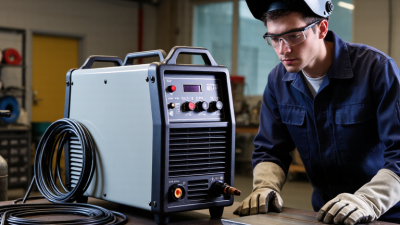
Choosing among China’s Co Welding Machine manufacturers requires more than comparing headline prices. Buyers need to assess stable arc performance, rated duty cycle, wire-feed consistency, component quality, and access to technical support. Small differences matter on the shop floor. A feeder that slips can disrupt a long production run.
The market context is significant. The International Federation of Robotics reported that China installed 276,288 industrial robots in 2023, representing 51% of global installations that year (World Robotics 2024). This figure describes industrial robots, not welding machines, but it signals the scale of China’s increasingly automated manufacturing base. It also makes integration capability worth checking, especially for manufacturers supplying automated welding cells. The label is not always precise. In product listings, “CO welding” often refers to CO2 gas-shielded MAG welding; confirm the process, gas compatibility, and machine specification with each supplier.
This guide examines leading Chinese manufacturers through practical criteria: product range, documented technical specifications, quality-control evidence, export experience, and after-sales coverage. Company rankings can vary by application, so a brand suited to light fabrication may not fit heavy structural work. No single specification tells the whole story. Treat published claims as a starting point, then request test records, warranty terms, and a sample operating demonstration before making a shortlist.
Understanding CO Welding Machines and Their Main Applications
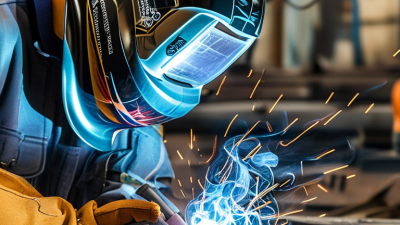
CO welding usually means gas metal arc welding with carbon dioxide shielding. The gas protects the molten weld pool from air, while the wire electrode feeds continuously through the torch. This makes the process practical for long seams and repeated production work. The arc can penetrate thick steel effectively, but pure CO₂ often creates more spatter than argon-rich gas blends. The arc stays steady. Settings still matter.
Common applications include structural steel fabrication, vehicle frames, agricultural machinery, and repair work on carbon-steel components. On a factory floor, operators may weld brackets, beams, or chassis parts in fixed positions. CO₂ shielding is widely used because the gas is comparatively economical and supports productive welding. However, it is not ideal for every material or finish. Thin sheet can burn through, and visible spatter may require extra cleanup. Not always.
Industry figures show why these applications matter. World Steel Association reported global crude steel production of about 1.88 billion tonnes in 2024, reflecting the vast scale of steel supply. The U.S. Bureau of Labor Statistics counted roughly 457,000 welding-related jobs in 2023 and projected 2% employment growth from 2023 to 2033. These figures do not measure CO welding machines specifically, but they indicate the broad industrial activity that relies on welding. One detail is easy to underestimate: gas choice, wire diameter, joint preparation, and operator technique all affect the finished weld. A machine alone cannot guarantee quality.
China’s CO Welding Machine Manufacturing Industry
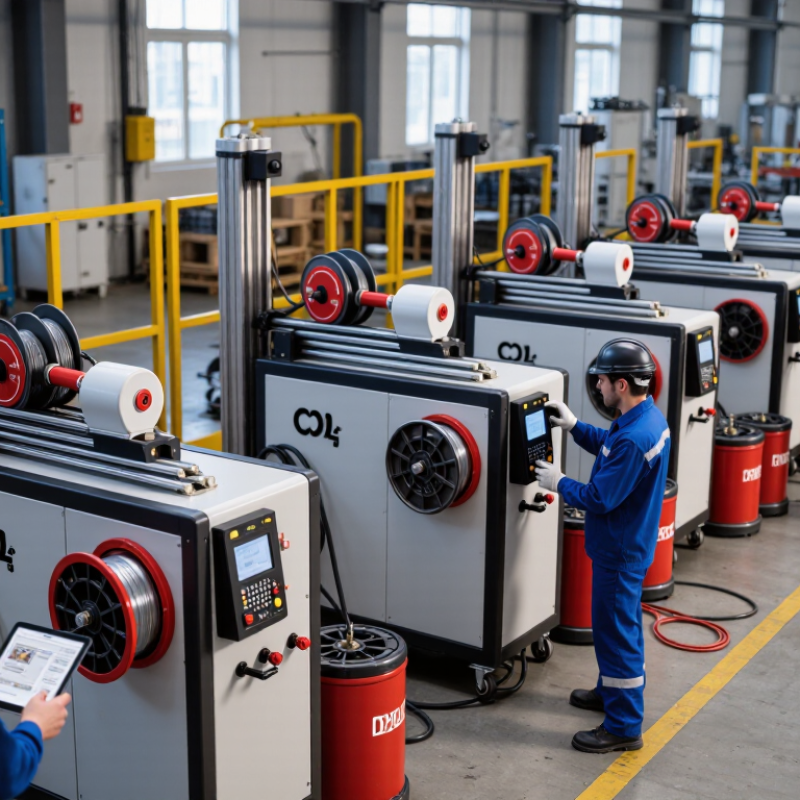
China’s CO welding machine industry is part of a broad manufacturing supply chain, serving workshops that produce steel frames, vehicle components, construction equipment, and machinery. In this context, “CO welding” usually refers to CO₂ gas-shielded welding. Equipment makers compete on stable wire feeding, dependable arc starts, and consistent output across long shifts. A workshop operator notices the small things: whether a torch cable snags, or whether spatter builds up around a joint.
Automation is reshaping the market, but it does not tell the whole story. The International Federation of Robotics’ World Robotics 2024 report recorded 276,288 industrial robot installations in China in 2023, about 51% of global installations. China’s National Bureau of Statistics reported that manufacturing value added grew 5.0% that year. These figures show a large, increasingly automated industrial base; they do not prove that every welding line is automated or every machine performs equally well. That distinction matters. In practice, buyers still assess duty cycle, consumable availability, service response, and performance on their actual materials. Published specifications can look neat. Shop-floor conditions are less tidy.
Profiles of Leading CO Welding Machine Manufacturers in China
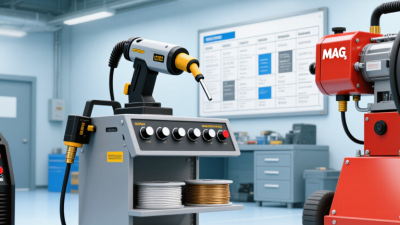
China’s leading CO2 welding-machine manufacturers are best compared by engineering focus, not catalogue size. One group builds inverter-based MIG/MAG power sources for workshops and general fabrication. Another targets heavier production with higher duty cycles, stable wire feeding, and robotic-cell integration. A third serves OEM and export buyers with configurable voltage, feeder, and torch packages. These are useful profiles, not a verified ranking.
Demand context is substantial. The International Federation of Robotics reported 276,288 industrial robots installed in China in 2023, equal to 51% of global installations. Its World Robotics 2024 report points to a large automation base, though robot figures do not measure CO2 welder sales. That distinction matters. Buyers should inspect duty-cycle ratings, feeder response, arc-start consistency, and service-part availability. A neat brochure cannot prove stable arcs.
Ask for a weld trial using the actual wire diameter, shielding-gas mix, and plate thickness. Check sample beads for spatter, toe fusion, and repeatability across several starts. Request test records and clarify whether output ratings use a ten-minute cycle. Export-focused factories may document electrical protection and manuals carefully, while smaller suppliers may offer faster customization. Neither pattern guarantees quality. Some claims still need independent verification, especially when published specifications omit test conditions.
Key Technologies and Product Types Offered by Chinese Manufacturers
Chinese manufacturers commonly supply CO₂/MAG welding machines in inverter, synergic, pulse, and multi-process formats. Inverter power sources use IGBT switching and digital controls to regulate current and voltage. These features help maintain a steadier arc when operators change wire-feed speed or work on thin sheet. Arc stability matters. CO₂-only and argon–CO₂ gas mixes behave differently, so matching wire, gas, and settings is essential.
Automation is shaping product design. The International Federation of Robotics’ World Robotics 2024 report records 276,288 industrial robots installed in China in 2023, about 51% of global installations. This is a broad automation indicator, not a welding-machine sales figure. Still, it helps explain demand for robotic-compatible power sources, precise wire feeders, and communication interfaces. Buyers should compare rated duty cycle, output stability, wire-feed accuracy, and thermal protection under realistic shop conditions. Small details count. A machine may look capable on paper, yet inconsistent feeding or unclear parameter settings can slow production. Manufacturer specifications are useful, but independent test data and practical trials offer stronger evidence.
CO Welding Machines in China: Common Wire Diameter Ranges
A practical product-selection view of wire sizes commonly used with CO₂/MAG welding equipment—not a manufacturer ranking.
Solid wires commonly include diameters from 0.6 to 1.6 mm; flux-cored wires commonly span 0.8 to 2.4 mm. Actual wire-feed and diameter limits depend on the machine model, wire feeder, torch, and application.
How to Evaluate and Select a Chinese CO Welding Machine Manufacturer
Selecting a Chinese CO2 welding machine manufacturer takes more than comparing catalog prices. Define the process, wire diameter, duty cycle, input voltage, and material thickness before requesting quotations. Ask for rated output and duty-cycle conditions, not just peak current. A 300-amp claim means little without test conditions. Request a live sample weld on your own material, then inspect bead consistency, spatter, penetration, and wire feeding. Keep the test parameters in writing.
Check the factory’s quality controls, traceability, and relevant conformity documents for your destination market. ISO 9001 certification can indicate a quality-management system, but it does not prove that every machine performs reliably. Ask to see inspection records, component specifications, burn-in procedures, and a clear warranty. Small details matter: connector fit, torch consumables, and spare-part lead times can affect daily output. A polished brochure is not proof.
Consider service and integration before placing an order. The International Federation of Robotics reported 541,302 industrial robot installations worldwide in 2023 in World Robotics 2024, reflecting the scale of industrial automation. If future robotic welding is possible, confirm interface options and parameter control now. Ask for references from comparable users, and verify them directly where practical. One limitation: factory visits and sample tests take time, and neither guarantees long-term performance. Use both, then document unresolved risks before paying.