Leave Your Message

How to Choose the Best CO Welding Machine?

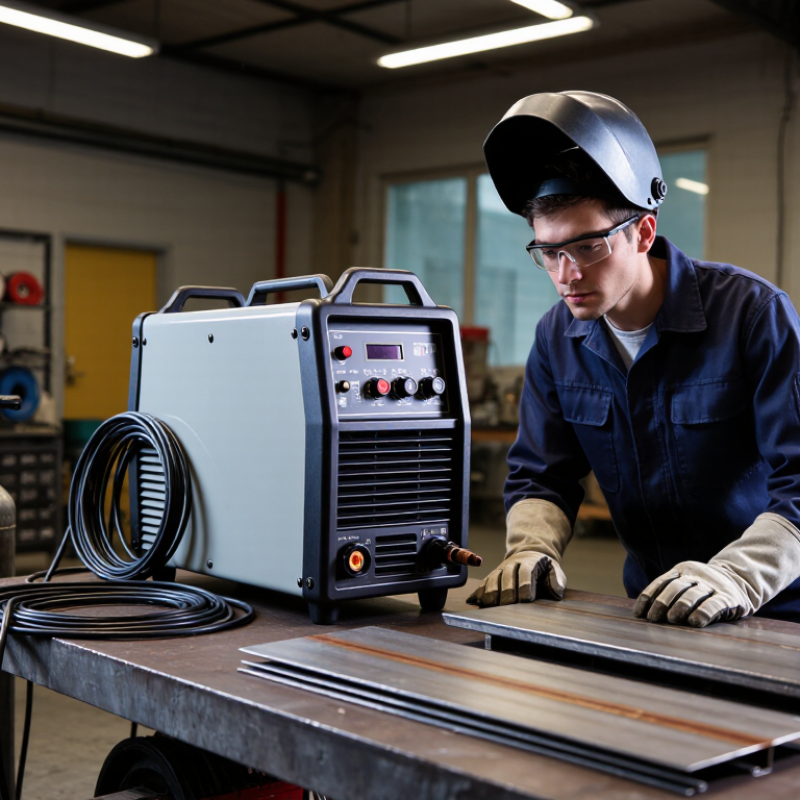
Choosing a Co Welding Machine is not just a matter of comparing price or amperage. The right unit should match the metal, material thickness, duty cycle, power supply, and operator’s experience. A machine that runs smoothly on thin sheet may struggle with thicker plate or long production welds. Picture the actual job: a clean workshop bench, a short cable run, and a machine that must hold a steady arc through repeated passes. Those details matter.

Industry data underline why careful selection is worthwhile. The U.S. Bureau of Labor Statistics projects about 45,800 annual openings for welders, cutters, solderers, and brazers from 2023 to 2033. Its May 2023 median annual wage for these workers was $48,940. The American Welding Society has also projected a substantial U.S. welding workforce shortage by 2027. These figures describe workforce demand, not machine performance, but they point to the value of dependable equipment and practical training. Check the original reports before using any figure in purchasing plans.

A credible expert quotation should be traceable to its speaker and source. No source material or verified quotation was provided here, so assigning invented words to a named welding specialist would weaken trust. Use this guide to compare output range, wire-feed control, shielding-gas compatibility, duty cycle, service access, and safety features. There is no universal best machine. A careful choice starts with the work you actually do, then checks whether the specifications support it.
How to Choose the Best CO Welding Machine?

Understanding How a CO₂ Welding Machine Works

How to Choose the Best CO Welding Machine?

Understanding How a CO₂ Welding Machine Works

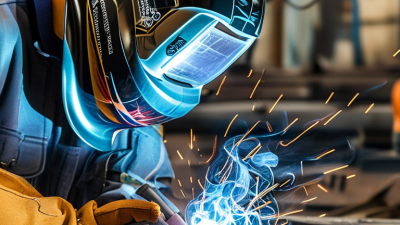
A CO₂ welding machine uses a continuously fed wire electrode to create an electric arc with the workpiece. The arc melts both the wire and the metal surface, forming a weld as the torch moves along the joint. CO₂ gas flows through the nozzle and shields the hot weld pool from the surrounding air. Without that shield, the weld can become porous.

The wire-feed speed and voltage work together. Feed too much wire, and it may push against the metal; set the voltage too high, and the arc can become harsh. A clean nozzle, steady hand, and correct distance from the workpiece help keep the arc stable. Small changes matter. Listen for a consistent crackling sound, then inspect the bead for even edges and trapped holes. That sound is useful, but it is not a quality check by itself.

Pure CO₂ can provide strong penetration, though it often creates more spatter than gas mixtures. This means the right machine settings depend on material thickness, wire size, and joint position. Even experienced operators may need a few test welds; settings on a chart are only a starting point. Keep the work area ventilated, since welding fumes can collect near the torch, and use suitable eye and hand protection.
How a CO₂ Welding Machine Works

In gas metal arc welding (GMAW), a continuously fed wire electrode creates the arc while shielding gas protects the molten weld pool from the atmosphere. This chart compares common shielding-gas compositions by volume. Pure CO₂ is one option; argon–CO₂ mixtures are also commonly used. The appropriate gas depends on the material, transfer mode, and welding procedure.

Identifying Your Welding Materials and Project Requirements

How to Choose the Best CO Welding Machine?

Identifying Your Welding Materials and Project Requirements

Start with the metal, not the machine’s advertised power. CO2-shielded welding is commonly used for mild steel, from thin sheet to heavier frames. Check the material thickness and whether the pieces are flat, curved, or awkward to reach. A thin auto panel needs different settings from a thick workshop bracket. Wire diameter, feed control, and adjustable voltage should suit the work. Stainless steel and aluminum need different filler wires and shielding gases, so confirm the machine’s compatibility before buying.

Tips: Write down your metal type, thickness, and typical joint. Bring a sample piece when comparing machines. A quick test bead can reveal more than a feature list.

Think about where and how often you will weld. A small home project may need a compact unit with a standard power supply, while longer production runs call for a higher duty cycle. CO2 can produce deep penetration, but it may also create more spatter; that matters when cleanup time is limited. Check whether the unit supports the wire sizes you expect to use, and whether its controls are easy to adjust with gloves on. I have found that people often overlook access and setup time. It is easy to do. Your actual workspace may change what “best” means.

How to Choose the Best CO Welding Machine? – Identifying Your Welding Materials and Project Requirements
Material or project Typical material thickness Machine output capacity to consider Wire and shielding gas Important selection points
Thin mild-steel sheet
Panels, light brackets, and small repairs
About 0.8–1.5 mm A machine with a low, stable output and a maximum rating around 140–160 A 0.6–0.8 mm solid wire; pure CO₂ or an argon–CO₂ mixture Prioritize fine voltage and wire-feed adjustment to reduce burn-through. Confirm the machine can feed the selected smaller wire reliably.
General mild-steel fabrication
Frames, gates, and equipment repair
About 1.5–3 mm Approximately 160–200 A maximum output 0.8–0.9 mm solid wire; CO₂ or an argon–CO₂ mixture Check that the machine supports the required input supply and has adjustable voltage and wire-feed speed.
Medium-thickness mild steel
Structural parts and heavier repair work
About 3–6 mm Approximately 200–250 A maximum output 0.9–1.0 mm solid wire; CO₂ or an argon–CO₂ mixture For sustained welding, compare rated duty cycles at the stated output. Joint preparation and multiple passes may be needed.
Thick steel or frequent production work
Heavy sections and long weld runs
Over 6 mm; often welded in multiple passes Often 250–350 A or more, depending on the joint and production rate Typically 1.0–1.2 mm solid wire; CO₂ or an argon–CO₂ mixture Check input power, duty cycle, cooling requirements, and wire-feeder capacity. The required current depends on joint design and welding position.
Stainless steel
Fabrication and repair
Commonly about 0.8–3 mm for general-purpose work A 160–200 A class machine is often suitable for this thickness range Stainless-compatible wire; typically argon with a small, controlled CO₂ or O₂ addition Pure CO₂ is generally not the preferred shielding gas for stainless MIG/MAG welding. Match wire and gas to the stainless grade and application.
Aluminum
Light structures and component repair
About 1–6 mm, depending on the setup Often 200 A or higher; select capacity based on thickness and duty cycle Aluminum wire and pure argon; a spool gun or push-pull feeder may be needed CO₂ is not suitable as the shielding gas for aluminum welding. Confirm the machine’s polarity, feeder, liner, and torch are compatible with aluminum wire.
Outdoor steel work
Site repairs where wind can disturb shielding gas
Varies; commonly medium-gauge work Often 180–250 A, depending on wire type and material thickness Self-shielded flux-cored wire; no external shielding gas is used Verify that the machine supports the wire’s required polarity and feed size. Flux-cored welding is not the same process as CO₂-shielded solid-wire welding.

Selection note: These are practical starting points, not fixed welding settings. Actual current, voltage, wire speed, gas composition, and duty-cycle needs depend on the wire specification, joint design, welding position, material condition, and applicable welding procedure. Always follow the machine and consumable manufacturers’ instructions.

Comparing Power Output, Duty Cycle, and Wire Feed Options

How to Choose the Best CO Welding Machine?

When comparing CO₂-shielded welding machines, match power output to the metal thickness and work you actually do. A machine with adjustable voltage and current gives more control over thin sheet and heavier sections. For example, thin steel panels may need lower settings to reduce burn-through, while thicker plate needs enough output for sound penetration. Check the machine’s input requirements, too; a powerful unit is not useful if your workshop supply cannot support it.

Duty cycle shows how long a machine can weld within a ten-minute period at a stated output. A 40% rating means about four minutes of welding, followed by six minutes of cooling at that rating. Higher output often lowers the duty cycle. That matters. Wire feed options also affect control: smooth, adjustable feeding helps maintain a steady arc and reduces wire stubbing or bird-nesting. Confirm the supported wire diameters and spool sizes before buying.

Tips: Compare duty-cycle ratings at the amperage you expect to use, not just the machine’s maximum. Test the feed with your chosen wire and a short scrap piece. Listen for an even arc, then inspect the bead for gaps or excessive spatter. Specs can look reassuring; real setup conditions sometimes expose a mismatch.

Evaluating Gas Control, Compatibility, and Safety Features

How to Choose the Best CO Welding Machine?

A CO2-compatible welding machine should match the gas and process you actually plan to use. Check the manual for supported shielding gases, including pure CO2 or an argon-CO2 blend. A machine suitable for one mix may not deliver the same arc behavior with another. Read the gas regulator’s pressure and flow scales, too. The connector must fit the cylinder valve securely; never force a mismatched fitting. Small details matter.

Gas control should feel steady, not erratic. A suitable regulator and flow meter help maintain consistent coverage at the torch. Set flow according to the machine’s guidance and working conditions; excessive flow can create turbulence and waste gas. Check hoses for cracks and connections for leaks with an approved leak-detection solution, never a flame. I would still recheck a joint after moving the cylinder. It is easy to overlook.

For safety, look for thermal overload protection and clear fault indicators, then confirm the machine has proper grounding. These features reduce equipment risks, but they do not replace safe work habits. Secure cylinders upright, keep them away from heat, and use suitable eye, hand, and body protection. Welding needs ventilation. Shielding gas can displace breathable air, and welding fumes require control. A quiet workshop may still need airflow. Before buying, compare the machine’s gas connections and stated operating limits with your cylinder, regulator, and torch.

Choosing a Machine for Your Budget and Work Environment

Choosing a CO welding machine on price alone can lead to frustrating compromises. Start with the materials and thickness you weld most often. A machine used for thin sheet metal needs different settings from one handling heavier brackets. Check its usable output range, wire-feed adjustment, and duty cycle at the amperage you expect to use. A high maximum amperage means little if the machine must cool down after short welds.

Small jobs differ. For a home garage, compare the machine’s power requirements with the outlet and circuit available; confirm compatibility before purchase. In a busy workshop, cable reach, spool capacity, and easy-to-find consumables can matter more than a low initial price. Add the cost of wire, contact tips, shielding gas, and routine maintenance to your budget. Those costs creep up.

The work environment matters just as much. A compact unit is easier to move between benches, but a cramped or poorly ventilated space can make setup and fume control difficult. Keep the machine away from grinding dust and moisture, and leave clear space around its cooling vents. If several people share the shop, look for controls that are easy to read and settings that can be repeated. I would still test a sample weld before committing; specifications cannot tell you how smoothly a machine feeds wire in your actual workspace.