China’s industrial coating equipment market is broad, but buyers should compare more than catalog speed. An Industrial Coating Machine must match the part geometry, coating chemistry, production volume, and available floor space. A line designed for steel panels may not suit small components or heat-sensitive products.
The financial case for reliable coating is significant. AMPP’s IMPACT study estimated that corrosion costs the global economy about US$2.5 trillion annually, or 3.4% of global GDP, using 2013 data. Protective coatings help manage that risk, while equipment consistency affects film thickness, transfer efficiency, and rework. Grand View Research also reported that the global industrial coatings market was valued at US$103.3 billion in 2023. These figures describe coatings, not coating machines, so they should not be mistaken for machine-market sales.
This Top 10 guide will compare Chinese manufacturers by equipment range, process control, customization, service support, and evidence of real production use. Look for practical details: spray-gun configuration, oven temperature uniformity, conveyor speed, and whether the supplier can show test results on your own parts. A polished brochure is not enough. Ask for a sample run.
No source articles or verifiable expert quotation were provided with the request, so I have not attributed an invented statement to a named specialist. That matters: machine specifications and market claims deserve traceable sources, and a ranking should be checked against current supplier evidence before purchase.
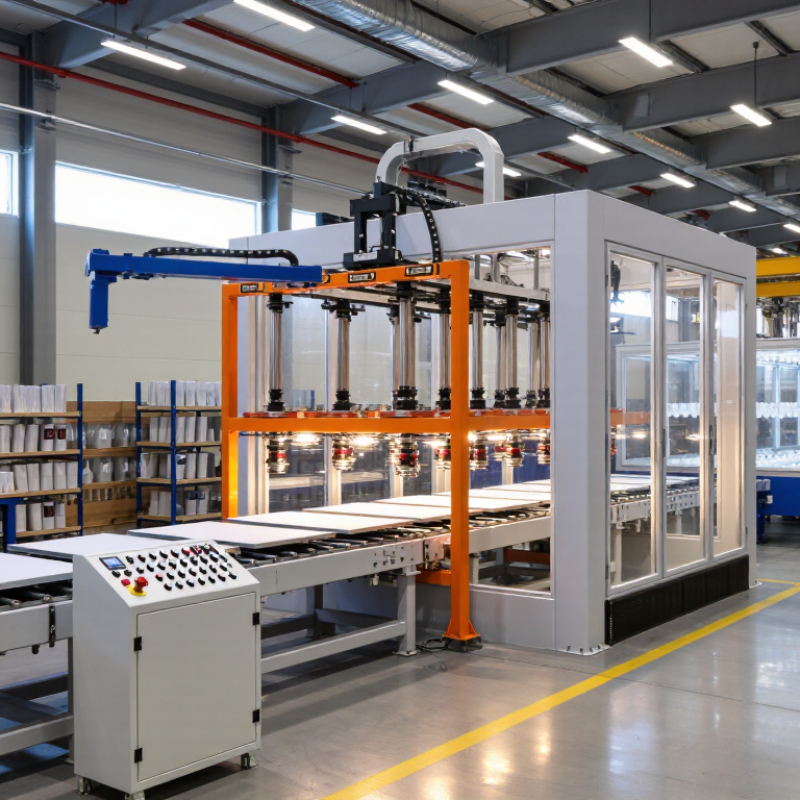
An industrial coating machine applies a controlled layer of liquid paint or powder to a product, then helps dry or cure it. A production line may combine surface cleaning, a conveyor, spray guns or dipping equipment, and a curing oven. These systems coat items such as metal panels, pipe sections, and machinery housings to improve corrosion resistance, wear protection, or appearance. The details matter: grease left on a panel can weaken adhesion, while uneven gun movement may create thin edges and excessive buildup elsewhere.
Machine choice depends on product shape, coating material, output volume, and finish requirements. Spray systems suit varied shapes; dip and roll systems can work better for particular parts or continuous sheets. The U.S. EPA’s 2008 Control Techniques Guidelines for Miscellaneous Metal and Plastic Parts Coatings cites 65% transfer efficiency as a benchmark for HVLP spray application. In plain terms, more coating reaches the part and less becomes overspray. Actual results vary with part geometry, setup, and operator skill. A recessed corner can still be difficult. Automation improves repeatability, but it does not replace inspection: operators should check film thickness, curing conditions, and coating defects on real production parts.
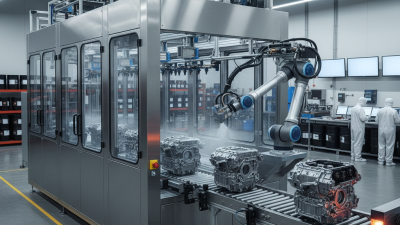
China’s industrial coating equipment sector is better understood as a network than a list of machine makers. It includes specialist builders for spray booths, powder-coating lines, curing ovens, and automated conveying systems. Some firms supply a single station; others integrate pretreatment, application, drying, and controls into a continuous line. The distinction matters. A booth that performs well alone may still create bottlenecks when parts move unevenly or oven temperatures fluctuate.
Behind the main equipment are suppliers of pumps, guns, filters, burners, sensors, and conveyor components. System integrators connect these parts and adapt layouts to a factory’s product mix, floor space, and required throughput. Buyers should examine practical evidence: coating thickness records, airflow readings, changeover time, and access for cleaning. Ask who handles installation and commissioning, too. Details count.
The structure is not perfectly transparent. Capabilities can vary between workshops, and a polished catalog does not prove stable production quality. That deserves scrutiny. A useful evaluation includes a sample run with representative parts, clear acceptance criteria, and written service arrangements. Customization may also add coordination time. During a trial, record line speed, film thickness, and rework rates.
China Top 10 Industrial Coating Machine Manufacturers?
Assessing China’s industrial coating machine manufacturers starts with process fit, not catalogue rankings. Compare the machine’s usable workpiece size, coating method, line speed, and curing range with your actual parts. Ask for coating-thickness and adhesion results on representative samples. A polished demonstration is not proof. Plant conditions rarely match a showroom.
Energy use deserves close review. The International Energy Agency’s Energy Efficiency 2023 report estimates that industry accounts for about 37% of global energy use. Request measured energy consumption per coated unit, plus oven temperature stability and exhaust-airflow data. Also inspect filtration design, maintenance access, spare-parts lead times, and the supplier’s commissioning plan. Confirm that test instruments are calibrated and that performance claims appear in written acceptance criteria.
Tips: Send several real parts for a witnessed trial. Record film thickness, finish consistency, cycle time, and reject rate. Ask operators—not only sales staff—how cleaning and changeovers work. A low purchase price can hide higher energy, downtime, or consumable costs. I would still verify every figure at your own site.
Suggested evaluation weights for comparing manufacturers; these are procurement guidelines, not measured market data or company rankings.
Prioritize coating performance and production capacity, while also checking compliance, service support, and total cost of ownership against your specific requirements.
Profiles of ten leading Chinese industrial coating machine manufacturers are most useful when they explain engineering scope, not just product categories. Some firms focus on spray booths and curing ovens; others integrate pretreatment, conveying, coating application, and exhaust control. A small metal-part line may use a compact conveyor and overhead spray guns. Large panels need stable airflow and longer curing zones. These choices affect floor space, finish consistency, energy use, and changeover time. Details matter.
For a fair comparison, examine substrate range, coating viscosity, target film thickness, line speed, oven temperature uniformity, and cleaning access. Ask whether the controls record temperature and conveyor speed, and whether spare parts are readily available. Request a sample layout, utility list, and acceptance criteria before comparing quotations. These checks reveal practical strengths beyond brochure claims. Published capacity figures can be optimistic, so confirm them against your part geometry and production mix. Not every manufacturer builds every stage in-house. Verify.
This is a non-ranked overview of ten common industrial coating equipment specializations. It describes equipment types and applications, not named companies or verified individual manufacturer capabilities.
| Profile | Equipment Specialization | Typical Equipment and Line Components | Common Applications | Key Process Considerations | Typical Selection Factor |
|---|---|---|---|---|---|
| 01 | Powder coating lines | Powder spray booths, electrostatic spray guns, curing ovens, and conveyor systems | Metal furniture, appliances, architectural components, and fabricated metal parts | Surface preparation, powder recovery, film thickness, and oven curing conditions | Part dimensions, required throughput, and color-change frequency |
| 02 | Liquid spray coating systems | Spray booths, paint delivery systems, air-handling equipment, and drying ovens | Metal products, machinery housings, plastic components, and general industrial parts | Viscosity control, atomization, coating uniformity, ventilation, and drying | Coating material, finish requirements, and environmental controls |
| 03 | Pretreatment and washing equipment | Spray or immersion stages, washing tanks, rinsing zones, and drying sections | Metal parts prepared for powder coating, liquid painting, or other finishes | Cleaning, rinsing, surface conditioning, drainage, and wastewater handling | Substrate type, contamination level, and pretreatment chemistry |
| 04 | Automated coating lines | Conveyors, automatic applicators, enclosed coating stations, and process controls | Repeat-production components requiring consistent coating coverage | Part presentation, line speed, transfer efficiency, and repeatable process settings | Production volume, product mix, and integration with existing lines |
| 05 | Robotic coating cells | Industrial robots, spray equipment, safety enclosures, and coordinated controls | Complex-shaped parts and production tasks requiring repeatable spray paths | Robot reach, path programming, part positioning, and overspray management | Part geometry, cell layout, and required automation level |
| 06 | Coil coating equipment | Uncoilers, strip cleaning sections, coating heads, ovens, cooling zones, and recoilers | Continuous metal strip used in construction, appliances, and fabricated products | Strip tension, coating application, thermal curing, and line-speed control | Strip width, substrate, coating system, and target operating speed |
| 07 | Roll and curtain coating machines | Metering or application rolls, feed systems, coating heads, and drying or curing units | Flat panels, boards, sheets, and other products with broad surfaces | Coating viscosity, wet-film control, substrate flatness, and edge coverage | Material properties, surface finish, and allowable coating variation |
| 08 | Wood and panel finishing lines | Panel feeders, spray or roller coaters, sanding stations, and drying or curing sections | Furniture panels, cabinetry components, doors, and other wood products | Surface preparation, grain and edge coverage, coating compatibility, and drying | Panel size, finish sequence, and production changeovers |
| 09 | UV coating and curing systems | Coating applicators, UV lamps or emitters, shielding, and conveyor systems | Suitable flat or shaped products using UV-curable coating materials | Coating compatibility, exposure dose, line speed, and shadow-free curing | Coating formulation, substrate sensitivity, and required cure performance |
| 10 | Special-purpose and turnkey coating lines | Application stations, material supply, conveyors, ovens, controls, and integrated safety systems | Products with non-standard dimensions, process sequences, or handling needs | Process coordination, equipment interfaces, quality checks, and plant utilities | Engineering scope, site conditions, compliance needs, and service support |
Comparing industrial coating machine manufacturers requires more than matching headline prices. Start with the parts you actually coat: their dimensions, material, surface condition, and daily production volume. Ask each supplier to explain how its machine handles those exact requirements. A line designed for small metal components may not suit long panels or frequent product changes.
Check coating method, usable working width, conveyor speed, curing capacity, and expected material loss. Ask for operating ranges, not just a maximum output figure. Details matter.
Request a trial using representative workpieces, and inspect coating coverage at edges, recesses, and corners. Ask how the supplier measures film thickness and records test results. During a factory visit, look at welds, electrical cabinets, safety interlocks, and access for cleaning. See the machine running.
Then review installation scope, operator training, spare-part availability, and response times for service. Ask for references from customers with similar production needs, and clarify what is excluded from the quotation. A low price may omit ducting, commissioning, or useful tooling.
No checklist catches everything. It is easy to overlook cleaning time when comparing polished output figures. Record unanswered questions, and ask the supplier to address them in writing before you compare final proposals.