Leave Your Message

Why Choose a Liquid Coating Machine for Production?

Choosing the right production equipment can determine whether a coating line runs smoothly or struggles with waste, rework, and uneven finishes. A Liquid Coating Machine applies controlled layers across metal, plastic, glass, paper, or composite surfaces. It can improve coverage while reducing overspray, dripping, and operator inconsistency. That matters when every micron affects appearance and performance.

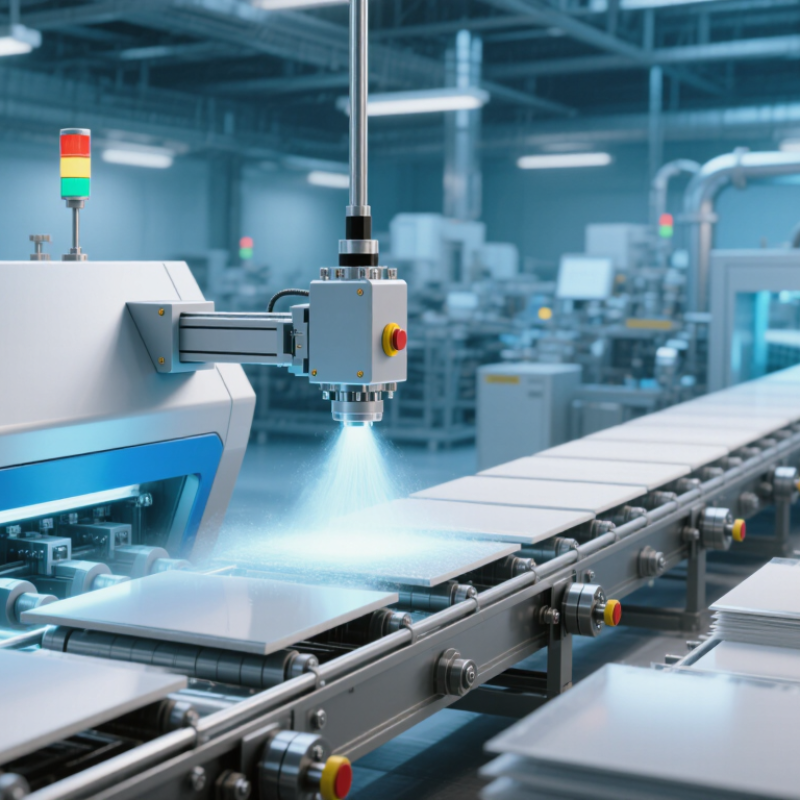
Dr. Steven Abbott, a recognized coatings scientist, has said, “The application process is part of the coating.” His point is practical. A well-formulated liquid may still fail when the machine delivers unstable pressure or uneven flow. A reliable Liquid Coating Machine helps maintain film thickness through adjustable speed, nozzle control, and consistent substrate movement. Picture a production line moving steel panels beneath a calibrated spray head. Each panel receives a similar wet layer. Less guesswork follows.

The benefits are not automatic. Some machines require careful setup, regular cleaning, and trained operators. Viscosity changes with temperature. Nozzle wear can quietly create thin spots. These details are easy to overlook. They should not be.

A strong machine can support faster output, cleaner working areas, and more predictable quality. It may also reduce material consumption when transfer efficiency is carefully managed. However, selecting equipment only by purchase price can become an expensive mistake. The better question is whether the system matches the coating, surface, production speed, and quality target. Real production is rarely perfect. That is precisely why controlled application deserves serious attention.
Why Choose a Liquid Coating Machine for Production?

What Is a Liquid Coating Machine?

A liquid coating machine is industrial equipment that applies a controlled layer of liquid onto a solid surface. The coated material may be metal, plastic, paper, wood, or a manufactured component. Depending on the design, the machine uses rollers, spray nozzles, curtains, or precision dispensing heads. Its purpose is simple: spread material evenly, at a defined thickness and production speed.

A typical system includes a liquid tank, pump, filter, coating head, conveyor, and drying section. Operators adjust flow rate, web speed, temperature, and gap settings. These controls influence coverage, adhesion, surface appearance, and drying time. In practical production, small changes matter. A slightly uneven pump flow can create visible stripes. Excessive speed may leave wet areas or weak coverage. Clean filters and stable viscosity are essential.

Liquid coating machines support protective, decorative, functional, and adhesive applications. They can reduce manual handling and improve repeatability across long production runs. However, automation does not remove every problem. Different liquids may require different pumps, nozzles, and drying conditions. Some surfaces also need cleaning or pretreatment before coating. Real results depend on material behavior, machine calibration, and operator judgment. It is useful equipment, but not a magic solution. Manufacturers should test samples before changing a full production line.

How Does a Liquid Coating Machine Work?

How Does a Liquid Coating Machine Work?

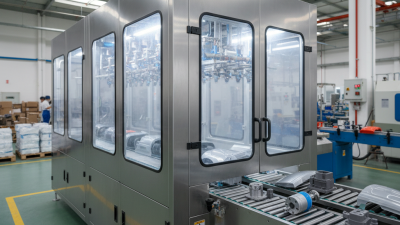
A liquid coating machine spreads a controlled layer over products, sheets, or individual components. The process starts with a coating tank, where the liquid is mixed and kept at a stable temperature. A pump moves the material through filters and pipes toward the application head. The machine may use spray nozzles, rollers, or precision blades. Each method creates a different surface finish. Spray systems suit complex shapes, while rollers offer steady coverage on flat materials.

The product travels on a conveyor at a measured speed. Sensors help control spacing, flow rate, and coating width. Operators also adjust pressure, nozzle distance, and viscosity during production. Small changes can affect gloss, thickness, and drying time. In practice, the first setting is rarely perfect. A cold morning may thicken the coating. Dust can create tiny surface defects. It happens. Careful workers inspect test pieces before full production begins. After application, the coated product passes through air-drying, heating, or ultraviolet curing equipment, depending on the formulation. Regular filter cleaning and pump checks improve consistency. Still, automation cannot replace judgment. A machine may repeat the same error very accurately when its settings are wrong. Reliable production depends on measured trials, clean equipment, documented adjustments, and trained operators.

Which Production Challenges Can It Solve?

Why Choose a Liquid Coating Machine for Production?

Liquid coating machines address production problems that manual spraying often hides. Uneven film thickness can create dull patches, pinholes, or premature wear. A controlled pump, calibrated nozzle, and steady conveyor speed can reduce these variations. Operators can also adjust flow rates while observing wet-film gauges beside the line. Small changes matter.

Material waste is another practical concern. Overspray collects around fixtures, floors, and ventilation filters. A closed, measured delivery system places more liquid on the target surface and less in the surrounding air. The International Energy Agency reported that industry consumed about 37% of global final energy in 2022. Better transfer efficiency can therefore support both material and energy control, especially when drying loads fall.

Labor shortages and inconsistent training create further pressure. Deloitte’s 2023 Smart Manufacturing and Operations Survey found that 86% of respondents expected smart manufacturing to become a key competitiveness driver within five years. A liquid coating machine can record pressure, speed, temperature, and batch information for repeatable settings. It does not remove human judgment. That would be an overstatement. Nozzle wear, viscosity changes, and poor surface preparation still require experienced checks. Production teams should compare coating thickness, reject rates, cleaning time, and energy use before claiming success. Sometimes the machine exposes process weaknesses instead of solving them immediately.

What Benefits Does It Offer Manufacturers?

A liquid coating machine gives manufacturers tighter control over film thickness, coverage, and production speed. Operators can adjust viscosity, nozzle pressure, and conveyor movement for different products. This control helps reduce uneven patches and costly rework. A stable coating layer also improves surface protection and appearance. In practice, the difference is visible on the line. Edges look cleaner, and fewer parts require manual touch-ups.

The machine can improve material efficiency as well. Controlled spray patterns limit overspray and reduce coating loss around fixtures and conveyors. Faster application may increase daily output without adding another manual station. However, speed alone is not enough. Poor calibration can create runs, dry spots, or excessive buildup. Small errors become expensive when production continues for hours.

Manufacturers also gain useful process data. Flow rates, pressure settings, and maintenance records support repeatable work between shifts. These records help technicians identify problems before quality declines. Cleaning is still necessary. Dried residue can change nozzle performance and disrupt the spray pattern. That part is easy to underestimate. A practical setup includes routine inspections, operator training, and test panels before full production. Even experienced teams may need to adjust settings when temperature, humidity, or coating viscosity changes.

Why Choose a Liquid Coating Machine for Production?

Higher transfer efficiency can reduce overspray, material waste, and production cost.

The chart shows typical liquid-coating transfer-efficiency ranges by application method. Electrostatic liquid spraying generally achieves higher transfer efficiency than conventional air spraying, helping manufacturers improve material utilization and maintain more consistent coating coverage. Actual results depend on coating viscosity, part geometry, equipment settings, and operator control.

How Should Businesses Choose the Right Machine?

Choosing a liquid coating machine starts with the product, not the machine catalogue. Measure viscosity, solids content, substrate shape, coating thickness, and daily output. A thin metal panel may need high-speed roll coating, while a molded part may require controlled spray application. Measure twice.

Market scale also matters. Grand View Research valued the global paints and coatings market at about USD 206.6 billion in 2022. It forecasts a 4.3% compound annual growth rate from 2023 to 2030. This growth increases pressure on consistent output, but bigger capacity is not always better. An oversized system can waste material, floor space, and cleaning time.

Ask suppliers for production trials using your actual formulation. Check transfer efficiency, overspray, curing consistency, changeover time, and recovery losses. PMMI’s recent packaging industry reports identify labor availability and automation as continuing operational pressures. Choose controls that operators can learn quickly, with alarms they can understand. The U.S. Environmental Protection Agency also emphasizes reducing volatile organic compound emissions through better process control and capture systems. Confirm airflow, filtration, and solvent-handling requirements before purchase. A spreadsheet will miss every clog. Plan for accessible pumps, removable hoses, and realistic wash cycles. The cheapest machine may become expensive after three difficult changeovers each shift. Allow room for doubt, because laboratory results rarely match a dusty production floor.

Why Choose a Liquid Coating Machine for Production? - How Should Businesses Choose the Right Machine?

Evaluation Dimension Why It Matters Typical Reference Range Recommended Selection Guidance Production Benefit
Coating Material Compatibility Different liquids require different pump, seal, hose, nozzle, and tank materials. Water-based, solvent-based, UV-curable, silicone, adhesive, and chemically reactive formulations. Confirm viscosity, solvent content, chemical reactivity, temperature sensitivity, and required wetted-part materials before purchase. Reduces corrosion, clogging, premature wear, and coating defects.
Viscosity Range Viscosity affects pumping, atomization, flow stability, and film uniformity. Low-viscosity liquids may be below 100 mPa·s; medium-viscosity materials commonly range from 100 to 5,000 mPa·s; higher-viscosity materials require specialized metering systems. Select the machine using the formulation’s operating viscosity, not only its room-temperature viscosity. Improves dosing accuracy and minimizes uneven coverage.
Required Coating Width The usable coating width determines equipment size, nozzle arrangement, and material consumption. Laboratory and pilot systems often cover less than 300 mm; production systems may cover approximately 300–2,000 mm or more. Choose a working width slightly above the largest product width while avoiding excessive overspray or unused coating area. Supports consistent coverage and better material utilization.
Line Speed Line speed must match pump capacity, drying or curing time, and the required wet-film thickness. Common production speeds range from approximately 5 to 100 m/min, depending on the substrate, coating method, and curing process. Specify normal speed, minimum speed, maximum speed, acceleration time, and expected future capacity. Prevents bottlenecks and allows production capacity to grow.
Wet-Film Thickness Film thickness affects performance, appearance, drying time, and material cost. Many industrial liquid-coating applications use wet films from approximately 10 to 200 μm, although some processes require thicker layers. Select a metering and application system capable of maintaining the target thickness across the complete web or product surface. Improves product consistency and controls coating consumption.
Application Method The application method determines coating uniformity, overspray, setup time, and suitable product geometry. Slot-die coating is suited to controlled continuous films; spray coating is flexible for complex shapes; roll coating is effective for many flat or web-based substrates. Choose based on substrate shape, surface quality, coating width, target thickness, and acceptable material loss. Balances coating quality, flexibility, and operating cost.
Metering Accuracy Stable liquid delivery is essential for repeatable coating weight and thickness. Many precision systems are specified by flow stability and coating-weight variation rather than by nominal pump size alone. Request documented flow-control performance, calibration procedures, and test results using the actual formulation. Reduces rework, rejects, and raw-material waste.
Drying or Curing Requirements The coating machine must work with the required evaporation, thermal drying, infrared, hot-air, or UV-curing process. Drying conditions vary with solvent or water content, coating thickness, substrate, line speed, and target residual moisture. Evaluate oven length, air volume, temperature control, exhaust, UV exposure, and heat sensitivity of the substrate. Helps prevent blocking, cracking, blistering, incomplete curing, and surface defects.
Automation and Process Control Automated controls improve repeatability and reduce operator-dependent variation. Typical functions include recipe storage, closed-loop flow control, web-tension control, temperature monitoring, alarms, and production data logging. Select the automation level according to product variety, quality requirements, labor availability, and traceability needs. Improves repeatability, changeover control, and production records.
Cleaning and Changeover Residual coating can cause contamination, blocked nozzles, and quality problems during product changes. Changeover time depends on coating chemistry, equipment layout, flushing method, and the number of removable components. Prioritize accessible fluid paths, quick-release components, automated flushing where appropriate, and clear cleaning procedures. Reduces downtime and improves equipment availability.
Safety and Environmental Controls Solvent vapors, combustible materials, heated surfaces, and UV radiation may require additional protection. Requirements depend on the coating formulation, local regulations, ventilation design, and workplace exposure limits. Assess ventilation, exhaust treatment, grounding, guarding, interlocks, spill containment, and applicable safety classifications. Supports safer operation and regulatory compliance.
Total Cost of Ownership The purchase price is only one part of the long-term operating cost. Major cost factors include coating consumption, energy, labor, maintenance, spare parts, cleaning materials, downtime, and waste disposal. Compare lifecycle cost over the expected service period using realistic production volume and changeover frequency. Enables a more accurate investment decision and payback assessment.
Quality Verification Testing confirms whether the selected machine can meet real production requirements. Relevant checks may include coating weight, thickness uniformity, surface appearance, adhesion, drying or curing level, and defect rate. Require a trial using the actual substrate and formulation before finalizing the equipment specification. De-risks the investment and validates production performance.

Note: The numerical ranges are general industry reference values. Actual machine specifications should be confirmed through formulation testing, process trials, safety assessment, and applicable local standards.