Choosing among China’s leading liquid coating equipment suppliers takes more than comparing machine prices. A Liquid Coating Machine must match the coating material, substrate, production speed, and required finish. A line designed for thin films may not handle a viscous formulation evenly. Small differences matter.
Coating scientist and consultant Dr. Steven Abbott’s work offers a useful principle. In paraphrase, not as a verbatim quotation: “Control wetting before chasing speed.” It is a practical reminder. A fast line cannot compensate for poor coating flow, unstable web tension, or uneven drying. Buyers should examine coating methods, adjustable gap settings, pump and metering options, substrate-width limits, curing systems, and cleaning access. Ask for test runs using your own material. Watch the film under real operating conditions, not just in a polished demonstration.
This guide to China’s top 10 manufacturers is intended as a starting point, not a universal ranking. Supplier strengths can vary by application, and published specifications may leave important questions unanswered. Request references, confirm commissioning support, and compare service response times. Check how clearly each supplier explains tolerances and process limits. That part is easy to overlook. Frankly, even a promising machine can disappoint if operator training or spare-parts support is weak. The right choice depends on measurable production needs, careful trials, and details a brochure may not show.
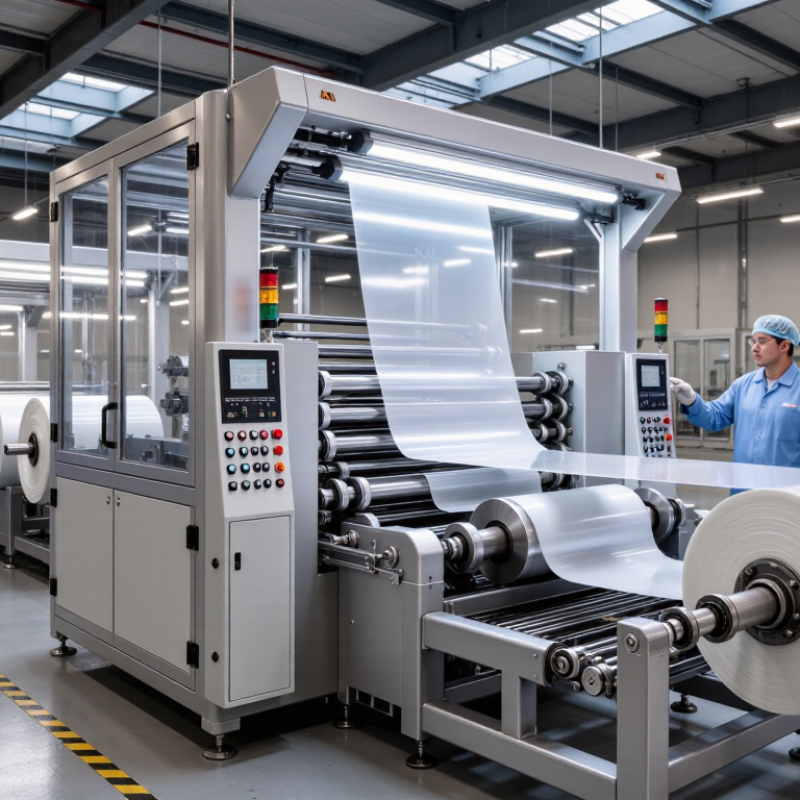
A liquid coating machine spreads a controlled layer of fluid over a surface such as paper, film, metal, or a manufactured component. The coating may protect against moisture, change surface friction, or provide a particular finish. The machine’s design depends on the material, coating viscosity, and required thickness; one setup rarely suits every job.
In a typical system, a tank holds the coating, while a pump and pipes deliver it to an applicator. Rollers, a slot die, or a spray head transfer the fluid onto a moving surface. The coated material then passes through a drying or curing section, where heat, airflow, or another suitable process helps the layer set. Sensors may track speed, temperature, and coating flow. Steady movement matters.
Operators check the wet layer and finished surface for streaks, bubbles, uneven edges, or poor adhesion. Small changes in line speed or fluid temperature can affect the result, so test runs are useful before full production. No setting is universally correct. Even a carefully adjusted machine may produce defects when the material or room conditions change. The equipment needs regular cleaning and inspection, especially around pumps, filters, and coating heads, where dried residue can disrupt flow.
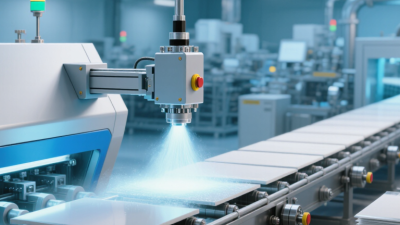
Evaluating China’s leading liquid coating machine manufacturers requires more than comparing catalog speeds. Buyers should match each machine’s coating method to the liquid, substrate, and production target. Ask for test results using a comparable material and substrate. Record line speed, coating weight, thickness variation, and defect rates. Look closely at edges, pinholes, and streaks. Small flaws matter.
A capable supplier should explain how pumps, rollers, or coating heads control flow. Ask how operators adjust viscosity, tension, and drying conditions during a run. Request calibration records and inspection steps for critical parts. Check whether the factory can trace components and provide replacement parts. Ask who handles installation and how quickly technical support responds. Details count.
Samples can mislead. A short, carefully prepared trial may not reflect a full production shift. Compare repeat runs, not just one attractive result. Review the test conditions and ask what changed between trials. No machine is perfect. I would treat vague claims about precision cautiously, especially when no measurement method is provided. Practical evidence is more useful than impressive specifications.
Suggested weighting for a 100-point assessment. These weights are an evaluation framework, not measured results for specific manufacturers.
Prioritize coating quality and production performance, while also assessing equipment reliability, technical support, and safety and compliance documentation.
Who are the top 10 liquid coating machine manufacturers in China? There is no widely accepted, independently audited public ranking that verifies ten companies by sales, installed machines, or coating performance. A responsible shortlist should compare manufacturers by application: automatic spray lines, roll coaters, curtain coaters, precision laboratory coaters, and turnkey finishing systems. Buyers should also check whether a supplier builds the core machine or mainly integrates equipment made by others.
Market context helps, but it does not prove a machine maker’s position. Grand View Research estimated the global paints and coatings market at about US$179.98 billion in 2023, with projected annual growth of 4.3% from 2024 to 2030. This signals ongoing demand for coating capacity, not a ranking of Chinese equipment suppliers. For a credible top-ten comparison, request a recent customer reference, line-speed data, coating-thickness tolerances, and documented performance on the buyer’s actual substrate. A polished showroom is not a production test.
Tips: Send the same sample material and coating specification to each shortlisted supplier. Compare finish uniformity, cleaning time, material waste, and service response in a witnessed trial. Small details matter. Some specifications look precise on paper but need independent verification.
| No. | Machine Type | Typical Coating Method | Common Substrates or Uses | Key Selection Considerations |
|---|---|---|---|---|
| 1 | Slot-die coating machine | Metered liquid is delivered through a precision slot onto a moving web or substrate. | Films, foil, paper, battery electrodes, and functional layers. | Coating width, liquid flow control, substrate handling, and coating uniformity. |
| 2 | Gravure coating machine | An engraved roll transfers liquid to a web, often with excess liquid removed by a doctor blade. | Flexible packaging films, paper, and thin functional coatings. | Engraved-roll pattern, liquid properties, drying capacity, and web tension control. |
| 3 | Reverse-roll coating machine | A roll applies liquid to a moving substrate with the coating roll rotating against the web direction. | Films, metal foil, paper, and pressure-sensitive materials. | Roll alignment, roll speed relationship, substrate stability, and liquid viscosity. |
| 4 | Comma-coating machine | A shaped coating bar meters liquid across a moving web. | Paper, films, nonwovens, and adhesive or protective layers. | Bar gap adjustment, substrate flatness, coating width, and ease of cleaning. |
| 5 | Knife-over-roll coating machine | A blade meters a liquid layer supported by a backing roll or surface. | Textiles, paper, nonwovens, and coated technical fabrics. | Blade setup, web support, liquid rheology, and the required surface finish. |
| 6 | Spray coating machine | Nozzles atomize and apply liquid onto a surface; systems may be manual, robotic, or conveyorized. | Three-dimensional parts, panels, components, and selected web applications. | Nozzle type, overspray management, ventilation, part geometry, and coating consistency. |
| 7 | Dip-coating machine | Parts are immersed in a liquid bath and withdrawn at a controlled rate. | Small components, formed parts, glass, and laboratory or production-scale products. | Withdrawal speed, bath condition, drainage, part shape, and drying requirements. |
| 8 | Curtain-coating machine | A continuous sheet of liquid falls onto a moving substrate. | Flat panels, boards, and selected sheet materials. | Liquid flow stability, substrate speed, edge control, and liquid formulation. |
| 9 | Spin-coating machine | A liquid is spread over a rotating substrate by centrifugal force. | Small, flat substrates and laboratory or specialty processes. | Substrate size, rotational control, liquid properties, and edge or waste management. |
| 10 | Screen-coating machine | A squeegee pushes liquid through a patterned screen onto a substrate. | Printed functional patterns, textiles, labels, and selected electronic materials. | Screen mesh and pattern, registration, liquid behavior, and substrate positioning. |
Purchasing note: Compare suppliers using application-specific trials, coating uniformity requirements, compatible liquid chemistry, production capacity, drying or curing needs, safety provisions, installation support, and documented service terms. Machine suitability depends on the material and process; the categories above should not be treated as interchangeable.
China’s leading liquid-coating machine manufacturers serve different production needs, from high-volume automotive lines to smaller furniture workshops. Their technologies include airless and electrostatic spraying, automated reciprocating guns, dip coating, and precision roll coating. Spray systems suit vehicle bodies, metal cabinets, and farm equipment; roll and curtain coaters handle flat panels, flooring, and furniture. For electronics, controlled-flow systems can apply thin protective films to components. The fit depends on coating viscosity, part geometry, and required film thickness—not just machine speed. Small details matter.
Industry demand helps explain this range. The International Energy Agency’s Global EV Outlook 2024 reports nearly 14 million electric cars sold in 2023, about 18% of global car sales. That growth raises demand for repeatable coating on body panels and battery-related parts, though liquid coating is only one step in production. World Steel Association data put 2023 crude steel output at about 1.89 billion tonnes, underscoring the scale of potential metal-coating applications. Across ten suppliers, compare overspray recovery, curing compatibility, and line integration alongside headline capacity. A fast booth can still waste material if its airflow is poorly balanced. Published specifications also rarely reveal performance on a buyer’s exact paint and workpiece; pilot trials are worth the extra time.
When comparing liquid coating machine manufacturers, match each supplier’s equipment to your actual material and production targets. Record the liquid’s viscosity, target coating thickness, web width, and required line speed. Ask how the machine controls flow, tension, drying temperature, and coating uniformity. These details matter. A polished brochure cannot show how a coating behaves at the edge of a moving film.
Request a trial using your material, not only a standard sample. Check the coated surface under consistent lighting, then measure thickness at several points across the width. Ask for the test conditions and results in writing. If the supplier cannot reproduce your operating range, that is useful information. One test is not enough, though; real production may reveal issues that a short demonstration misses.
Compare installation, operator training, spare-part availability, and response times alongside the purchase price. Ask for a clear list of included components and any optional equipment, such as pumps or drying units. Speak with customers who run similar materials and production volumes, where possible. A factory visit can help verify assembly and quality checks, but it does not guarantee long-term performance. I would leave room for uncertainty in the comparison: suppliers may describe the same capability differently, so define the acceptance criteria before requesting quotations.