Leave Your Message

China Top 10 Spray Coating Equipment Manufacturers

China’s spray-finishing industry has developed quickly, serving automotive parts, appliances, furniture, metal fabrication, and industrial machinery. This article examines China’s top 10 Spray Coating Equipment manufacturers through practical selection criteria. These include equipment quality, atomization control, transfer efficiency, automation, maintenance support, and documented application experience.

A useful principle from coatings scientist Dr. Steven Abbott is, “A coating is only as good as the surface beneath it.” That reminder matters when comparing spray booths, electrostatic systems, liquid spray guns, powder coating lines, and robotic equipment. A polished machine cannot correct poor cleaning, unstable air pressure, incorrect viscosity, or careless booth design.

Details matter.

A reliable manufacturer should explain nozzle options, pump capacity, filtration, curing conditions, and spare-parts availability. It should also provide clear testing data, operator training, and responsive technical support. Factory photographs help, but they do not prove long-term performance. Site visits, sample trials, and customer references remain more convincing.

This ranking is not absolute. Production volume, coating material, workspace, budget, and regional service needs can change the best choice. Some manufacturers may excel in automated automotive lines, while others perform better in compact manual systems. That distinction is easy to overlook. The following guide therefore combines technical evidence with practical observations, while recognizing that supplier information can change over time. Readers should verify certifications, warranty terms, energy consumption, and actual coating results before making a final purchasing decision.
China Top 10 Spray Coating Equipment Manufacturers

What Is Spray Coating Equipment?

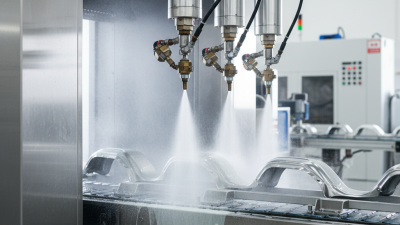
Spray coating equipment is a system that applies liquid or powder material to a surface through controlled spraying. It usually includes a material tank, pump, spray gun, air supply, hoses, filters, and a control unit. These parts work together to create an even coating on metal, plastic, wood, or composite surfaces. The equipment may use compressed air, airless pressure, or electrostatic force to atomize the coating into fine droplets.

In practical production, operators adjust pressure, flow rate, spray distance, and gun speed. A distance of about 15 to 25 centimeters often provides useful coverage, but the correct setting depends on the material and surface shape. Filters help prevent blocked nozzles. Proper ventilation and protective equipment are also essential when handling coating materials. Small changes can affect gloss, thickness, and adhesion.

The process is not perfectly predictable. A setting that worked yesterday may produce orange peel today because of temperature, humidity, or material viscosity. Experienced technicians check the surface before full production and test a small area first. Wet-film gauges and dry-film measurements provide evidence instead of relying only on appearance. Overspray is another concern, especially near edges and corners. Cleaning the nozzle and hoses after use takes time, but neglecting this step can cause uneven spray patterns and expensive repairs.
How China’s Spray Coating Equipment Industry Is Evaluated

Evaluating China’s top spray coating equipment manufacturers requires more than checking production volume. The key evidence is measurable performance. Transfer efficiency, coating uniformity, curing stability, air consumption, and maintenance response should be tested on the same workpiece. ISO 12944 offers useful coating-performance guidance for corrosion protection, while ISO 9001 supports process consistency. These standards do not guarantee excellent equipment. They only create a reliable baseline.

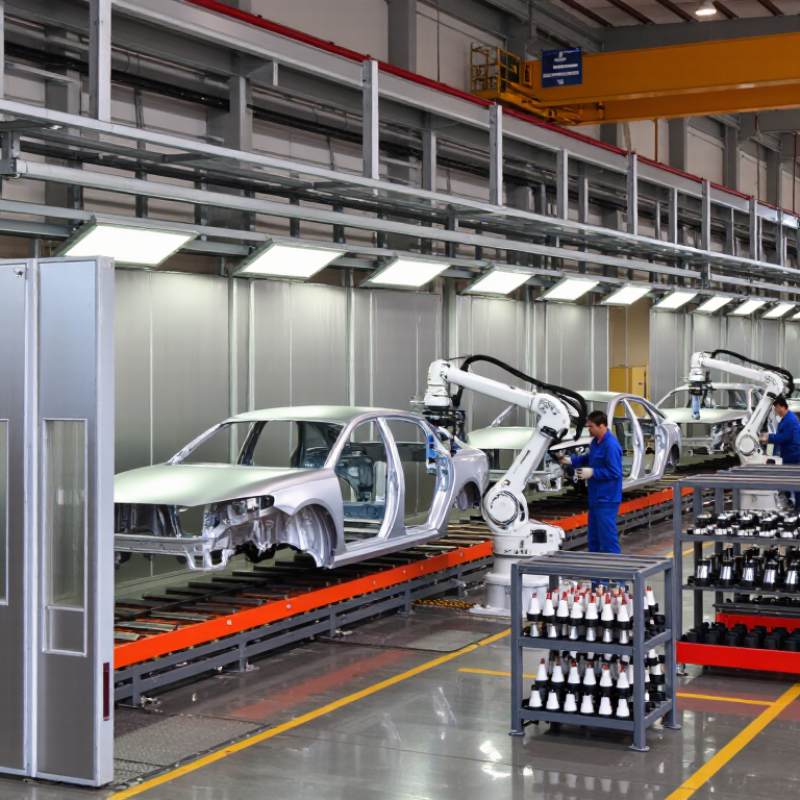
Automation capability also matters. The International Federation of Robotics reported 276,288 industrial robot installations in China during 2023, representing about 51% of global installations. This figure shows strong manufacturing depth, but automation alone is not enough. Buyers should inspect nozzle control, motion accuracy, software integration, and operator training. Grand View Research identifies rising demand for efficient and environmentally responsible coating systems. In practice, energy use and overspray often expose the real difference between suppliers. Some evaluations still rely too heavily on catalog specifications.

Tips: Request a live test using your paint, substrate, and target film thickness. Record coating consumption, cycle time, defect rate, and cleaning minutes. Ask for three years of service data. A factory may look advanced, yet spare-part lead times can quietly reduce production uptime. Test first. Then compare total ownership cost, not only the purchase price.

China Top 10 Spray Coating Equipment Manufacturers - How China’s Spray Coating Equipment Industry Is Evaluated

The table below presents an industry-level evaluation framework for Chinese spray coating equipment manufacturers. It focuses on verifiable product, engineering, compliance, service, and export-related indicators rather than displaying company or brand information.

No. Evaluation Dimension Industry-Based Evaluation Data Why It Matters Typical Importance
1 Equipment Range Common product categories include manual spray booths, automatic spray lines, reciprocators, rotary atomizers, powder coating systems, liquid coating systems, curing ovens, and conveyor systems. A broader product portfolio makes it easier to configure complete coating lines from one engineering source. High
2 Transfer Efficiency Modern spray systems are evaluated by coating utilization, overspray control, reclaim performance, and the consistency of film thickness across the workpiece. Higher transfer efficiency can reduce paint or powder consumption, waste-treatment costs, and production downtime. Very High
3 Automation Capability Evaluation covers PLC control, HMI operation, recipe management, automatic gun triggering, conveyor synchronization, sensors, and production data monitoring. Automation improves repeatability, labor productivity, process control, and production traceability. Very High
4 Customization and Engineering Manufacturers are assessed on layout design, airflow calculation, workpiece handling, line integration, coating-material compatibility, and adaptation to available factory space. Customized engineering is essential because coating lines vary significantly by product size, material, throughput, and finish requirements. Very High
5 Safety and Environmental Compliance Key factors include ventilation, explosion-risk management, interlocking devices, filtration, grounding, fire protection, noise control, and compliance with applicable local regulations. Safety and emissions control directly affect legal operation, worker protection, insurance, and project approval. Very High
6 Energy Efficiency Important indicators include oven insulation, burner or heating efficiency, variable-frequency drives, airflow optimization, heat recovery, and standby energy management. Energy consumption is a major part of the operating cost of industrial spray coating systems, especially curing ovens and ventilation equipment. High
7 Build Quality and Maintainability Assessment includes structural materials, weld quality, corrosion resistance, access for cleaning, filter replacement, spare-part availability, and ease of routine maintenance. Durable construction and accessible maintenance points help improve equipment uptime and lifecycle value. High
8 Quality Control and Testing Reliable evaluation includes factory acceptance testing, electrical inspection, airflow testing, dry-run validation, coating trials, dimensional checks, and documented commissioning procedures. Documented testing reduces installation risk and confirms that the system meets agreed technical specifications. High
9 Export and Project Delivery Capability Relevant capabilities include export packaging, technical documentation in English, electrical-standard adaptation, remote support, installation coordination, and international logistics experience. International projects require accurate documentation, reliable shipment planning, and coordination across different technical standards. High
10 After-Sales Service and Total Cost of Ownership Evaluation covers warranty terms, response time, operator training, spare-parts support, troubleshooting, upgrade options, maintenance cost, and expected service life. The purchase decision should consider long-term operating cost and support quality, not only the initial equipment price. Very High
Evaluation Note: A dependable comparison should combine technical specifications, verified project references, factory inspection, safety documentation, coating-test results, delivery capability, and lifecycle operating costs. Product prices and performance vary according to workpiece dimensions, coating material, production volume, automation level, and local compliance requirements.

Profiles of China’s Top 10 Spray Coating Equipment Manufacturers

China Top 10 Spray Coating Equipment Manufacturers

Profiles of China’s Top 10 Spray Coating Equipment Manufacturers

China’s top ten spray coating equipment manufacturers serve automotive, furniture, metal, appliance, and general industrial production. Their profiles differ in practical ways. Some focus on robotic spraying cells, while others build manual booths, powder coating lines, or complete curing systems. Several manufacturers emphasize stainless-steel construction, stable airflow, and easier filter replacement. Others provide customized conveyors, drying ovens, and control cabinets for factories with unusual layouts.

A reliable profile should examine more than catalog images. Check production experience, technical documentation, testing procedures, installation support, and spare-part availability. Ask whether the equipment has been tested with your coating material and workpiece shape. A metal panel may need different atomization settings from a curved plastic housing. Site visits can reveal workshop organization, weld quality, cable protection, and commissioning discipline. However, online profiles are not perfect evidence. Some published specifications may require independent verification.

Tips: Request airflow data, coating efficiency figures, safety controls, and maintenance intervals in writing. Compare the same technical requirements across all ten manufacturers. Inspect sample panels under consistent lighting. Confirm operator training, warranty boundaries, and response times before signing. A cheaper system can become expensive when filters, pumps, or sensors fail early. Plan for cleaning access. It is often overlooked.

Key Technologies and Product Differences Among the Top Manufacturers

China’s top 10 spray coating equipment manufacturers differ mainly in atomization, control, and system integration. Electrostatic systems charge paint particles, helping them wrap around metal edges and improve transfer efficiency. Airless equipment uses high pressure for thick coatings, while HVLP systems reduce overspray on smaller parts. Each method suits a different production reality.

Leading manufacturers also separate themselves through automation. Some provide six-axis robotic arms, automatic color-change valves, and real-time flow monitoring. Others focus on reciprocators for panels, pipes, or furniture boards. A reliable control cabinet should record pressure, viscosity, spray distance, and nozzle wear. Small details matter.

Booth design reveals another major difference. High-end systems may combine dry filtration, water curtains, powder recovery, and temperature-controlled curing ovens. Mid-range systems often offer simpler layouts and easier maintenance. That can be an advantage for factories with limited technical staff. Not every advanced feature creates value. A pilot test should measure coating thickness, transfer rate, cleaning time, and defect frequency before purchase. The result may challenge the original specification. No system wins every line.

China Spray Coating Equipment: Key Technology Comparison

The chart compares commonly used spray-coating technologies by typical coating transfer efficiency. Actual results vary with coating viscosity, workpiece geometry, atomization settings, booth design, and operator or robot control. Electrostatic and powder systems generally provide higher material utilization, while conventional air spray offers broader flexibility for small-batch and complex-surface applications.

How to Choose a Chinese Spray Coating Equipment Manufacturer

Choosing a Chinese spray coating equipment manufacturer requires more than comparing prices. In factory audits, I check how suppliers measure transfer efficiency, coating thickness, and air consumption. A polished showroom proves little. Request videos of similar production lines, not laboratory demonstrations. Ask for customer references in your industry.

Market evidence can guide the shortlist. Grand View Research valued the global powder coatings market at about USD 15.9 billion in 2023, with continued growth expected through 2030. This demand increases pressure for stable automation and lower material waste. A capable manufacturer should explain nozzle selection, pump compatibility, curing conditions, and maintenance intervals in practical terms. Vague answers matter.

Inspect the engineering details. Ask for a bill of materials, electrical standards, spare-parts lead times, and commissioning procedures. Confirm whether technicians can support installation in your region. Request a sample test using your actual substrate and coating. Measure film thickness at several points, including corners and recessed areas. Small gaps often reveal large process risks. Do not select a top-ten candidate from brochures alone; compare documented test results, warranty terms, and total operating cost. The cheapest quotation may hide expensive filters, downtime, or difficult cleaning. I still treat supplier claims cautiously, because even a strong test can overlook your factory’s humidity, operator habits, or line speed.