Best Industrial Painting Equipment for Enhanced Efficiency and Quality?
In the fast-evolving world of manufacturing, the significance of advanced Industrial Painting Equipment cannot be underestimated. Experts in the field emphasize the vital role it plays in improving efficiency and quality. John Smith, an industry consultant, once stated, "The right painting equipment is crucial for delivering top-notch finishes that last." His insight reflects a fundamental truth in industrial practices.
Investing in the best Industrial Painting Equipment enhances productivity and ensures that projects meet rigorous quality standards. With the right tools, manufacturers can achieve superior coverage and durability. Technology today offers sprayers, applicators, and surface preparation devices designed to streamline processes. However, many businesses still overlook the need for regular equipment upgrades. As a result, they risk inefficiencies and subpar outcomes.
Moreover, while advanced equipment is important, understanding its optimal use is equally critical. Without proper training, even the best tools can underperform. Companies need to strike a balance between technology and skill development. This comprehensive approach fosters a culture of excellence in industrial painting. In this competitive market, attention to detail in equipment choice is essential for success.
Best Industrial Painting Equipment: An Overview of Key Types
Industrial painting equipment plays a crucial role in enhancing efficiency and quality. Various types of equipment cater to different needs in the painting process. Spray guns, for example, allow for an even application of paint. These tools are essential for achieving a smooth finish on various surfaces. Their design can be simple or intricate, affecting the final results.
Airless sprayers are another option, providing high pressure to ensure paint reaches all areas. They cover large surfaces quickly, which can save valuable time. However, they require more skill to operate effectively. Mistakes can lead to overspray and wasted paint, which is a point of concern for many professionals.
Rollers and brushes are traditional yet effective tools. They provide control over the application, ideal for detailed work. However, using them can be time-consuming, particularly on large surfaces. Many find that blending techniques from different equipment types can yield impressive results. Balancing quality and efficiency remains an ongoing challenge for those in the industry.
Best Industrial Painting Equipment for Enhanced Efficiency and Quality
Understanding the Efficiency of Airless vs. Conventional Spray Systems
When considering industrial painting, choosing the right spray system is crucial.
Airless spray systems and conventional systems each bring unique strengths and weaknesses.
Airless systems operate by using high pressure to force paint through a small tip. This leads to faster application times and less thinning, which can enhance coverage. However, the pressure can create overspray issues, leading to wasted materials and longer cleanup times.
Conventional spray systems use compressed air to atomize paint. This method allows for greater control and precision. It’s particularly useful for detailed work.
However, it usually requires more time and effort to achieve a uniform finish. Users often find that achieving an optimal balance can be challenging.
There can be frustrations with air consumption and potential for inconsistent application, especially on larger surfaces.
Efficiency and quality are paramount in industrial environments. The choice between airless and conventional systems shouldn't be taken lightly.
Understanding specific project requirements is key. Painters may need to adjust their approach based on the equipment and conditions. Trial and error can be part of the process, allowing for the identification of the best methods for achieving high-quality results.
Impact of Paint Application Technology on Coating Quality and Durability
The application of paint technology significantly influences coating quality and durability. Advanced methods, such as electrostatic spraying and airless spraying, provide excellent coverage and finish. According to industry reports, electrostatic technology can improve transfer efficiency by up to 90%. This means less paint waste, leading to cost savings and environmental benefits.
However, not all applications perform equally in various conditions. Factors like surface preparation and ambient environment must be considered. The use of automated equipment often enhances consistency but may require skilled technicians for optimal setup. The blend of technology and expertise contributes to overall effectiveness in industrial painting tasks.
Durability is another crucial factor in the performance of coatings. Studies reveal that proper application can extend the lifespan of coatings by 30% or more compared to suboptimal methods. Recognizing that even minor errors in technique or equipment setup can compromise quality is vital. Regular training and evaluations can help ensure that teams maintain high standards in their painting processes.
Evaluating the Role of Automated Equipment in Painting Processes
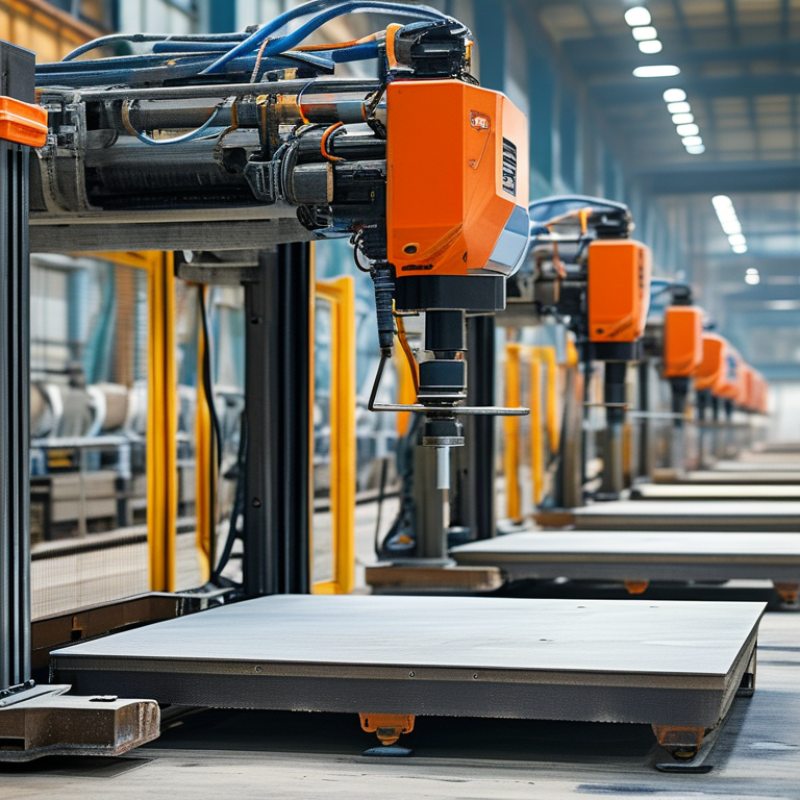
Automated equipment has transformed industrial painting processes. It brings speed and precision, reducing human error. This technology allows for consistent finishes, which are vital for quality assurance. In industries where aesthetics matter, the role of automation is crucial. Workers can focus on more complex tasks, enhancing overall productivity.
However, not all automated systems are flawless. Some machines may struggle with intricate designs or unexpected variables. Regular maintenance is essential to keep the equipment running efficiently. Operators need proper training to maximize the benefits of automation. Without a skilled workforce, even the best technology may not perform as expected.
The integration of automated equipment into painting processes requires careful planning. Companies must evaluate their specific needs and potential challenges. Balancing automation with human expertise can lead to optimal results. Thus, assessing both machinery and skillsets is important for enhancing efficiency. The future of industrial painting relies on this delicate balance.
Best Industrial Painting Equipment for Enhanced Efficiency and Quality
| Equipment Type |
Automation Level |
Efficiency Rating (1-10) |
Quality Rating (1-10) |
Usage Suitability |
| Automated Spray Gun |
High |
9 |
8 |
Industrial Plants |
| Robotic Painting System |
Very High |
10 |
9 |
Automotive Assembly |
| HVLP Spray System |
Medium |
7 |
7 |
Furniture Manufacturing |
| Powder Coating System |
High |
8 |
9 |
Metal Fabrication |
| Airless Paint Sprayer |
Low |
6 |
6 |
Small Projects |
Safety Considerations and Compliance for Industrial Painting Tools
When engaging in industrial painting, safety is paramount. The use of proper equipment can prevent accidents and injuries. It's essential to understand the risks associated with different painting tools. For instance, spray guns can release hazardous materials into the air. Workers must wear appropriate personal protective equipment (PPE), including masks and gloves. Keeping a well-ventilated workspace can also reduce exposure to harmful chemicals.
Compliance with safety regulations ensures that the workplace is secure. Regular training sessions on equipment operation are necessary. Not all workers are familiar with every tool. Encouraging them to ask questions can foster a safer environment. Frequent inspections of equipment are vital too. They help identify potential faults before accidents happen.
Moreover, adherence to safety standards can enhance overall efficiency. When employees feel safe, they can work with confidence. This leads to better quality outcomes in painting projects. Taking shortcuts in safety can result in serious consequences. Workers should have access to safety data sheets (SDS) for all chemicals used. Awareness breeds responsibility, and responsibility supports quality and efficiency in industrial painting.