What is a Coating Powder Machine and How Does It Work?
In the world of manufacturing, the "Coating Powder Machine" plays a crucial role. This machine is essential for applying protective and aesthetic coatings to various surfaces. Understanding how it works can help businesses improve their production processes.
A Coating Powder Machine typically uses electrostatic methods to apply powder coatings. This process ensures a uniform layer over items like metal or plastic. However, operational challenges can arise. For instance, the machine requires precise settings for different materials. If the parameters are off, the coating may not adhere properly.
Moreover, maintaining the Coating Powder Machine is vital for consistent results. Regular cleaning and calibration can prevent faulty applications. It's important to recognize that like any equipment, these machines are not infallible. Observing their performance can yield insights for improvement. In the end, the effectiveness of a Coating Powder Machine depends on both technology and operator skill.
What is a Coating Powder Machine?
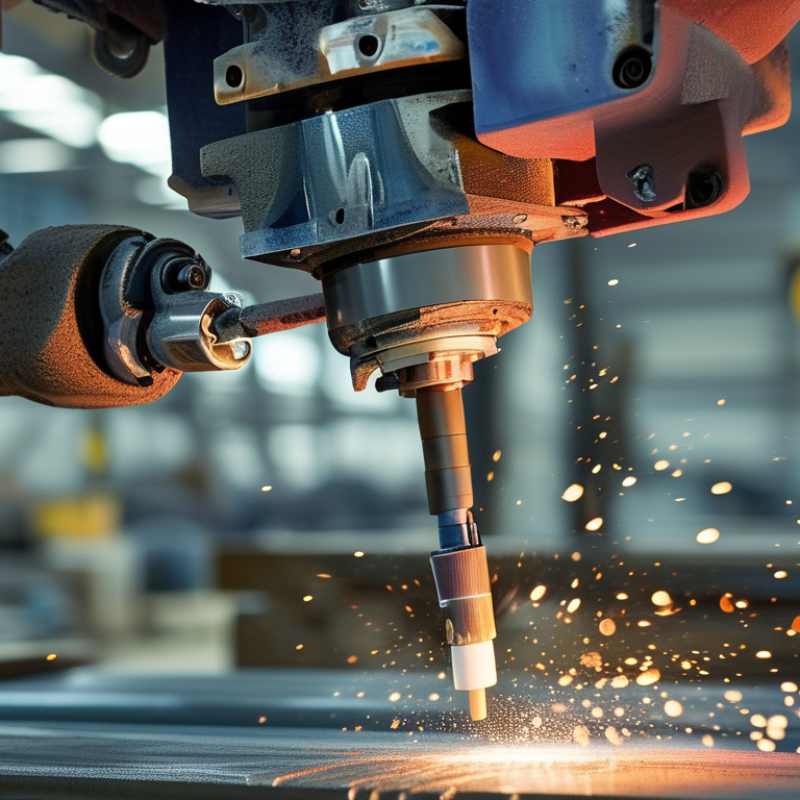
A coating powder machine is a specialized device used in industrial applications. It applies a protective or decorative powder coating onto various surfaces. This machine uses electrostatic spray technology, making the powder adhere effectively. It provides a durable finish compared to liquid coatings.
The machine usually consists of a hopper, where powder is stored. This powder is then charged electrically, allowing it to cling to the surface being coated. After application, the product is baked in a curing oven. This process bonds the powder to the substrate, resulting in a strong and resilient coating.
Working with coating powder machines does present challenges. Settings can vary based on the material and thickness of the coating required. Calibration might need adjustments. Operators must ensure the proper temperature and timing during curing. Even minor mistakes can affect the quality of the finish. Hence, expertise is essential for achieving a consistent and reliable outcome.
Components of a Coating Powder Machine
A coating powder machine is vital for the electrostatic powder coating process. The components of this machine play crucial roles in ensuring efficiency and quality. The three main parts are the feeder, spray gun, and curing oven.
The feeder supplies the powder material, ensuring a consistent flow. It often includes a cyclone for powder recovery, which can save up to 30% of unused powder. The spray gun uses charged air to attract the powder to the metal surface, allowing for even coverage. Recent studies indicate that modern spray guns can achieve transfer rates exceeding 90%. Such efficiency reduces wastage, contributing to environmental sustainability.
The curing oven is essential for hardening the coating. It typically operates at temperatures between 180°C to 200°C. Each component must work in harmony for optimal performance. Issues arise when there is a mismatch in settings or maintenance inefficiencies. Regular calibration and care are needed to maintain functionality. A lack of attention to these details can lead to poor coating quality and increased costs. Understanding these components helps manufacturers enhance their processes.
Principle of Operation for Coating Powder Machines
Coating powder machines are essential in various industries. They apply a coating to products, enhancing both aesthetics and protection. Understanding their operation is key to maximizing their efficiency.
The principle of operation for coating powder machines revolves around electrostatic spraying. The machine charges the powder particles, allowing them to adhere to the surface of the object. This creates a uniform layer. The object usually moves through a curing oven, where heat melts the powder, forming a solid coating.
However, there are challenges in achieving perfect coating. Factors like humidity and temperature can affect the process. Operators must constantly monitor conditions. Uneven application can lead to defects. Even with advanced technology, human oversight remains vital for optimal results. It's a balance of precision and adaptability in ensuring quality coatings.
Applications of Coating Powder Machines in Various Industries
Coating powder machines play a critical role in various industries, adapting to the specific needs of each sector. For instance, in the automotive industry, these machines apply durable coatings that provide protection against corrosion and wear. According to a report by Research and Markets, the global automotive coatings market is expected to grow significantly, highlighting the increasing demand for advanced coating technologies.
In the electronics sector, coating powder machines enhance the functionality of components by applying powder coatings that offer excellent thermal and electrical insulation. The increasing integration of these coated components in gadgets aligns with the industry's rapid growth. A study from Mordor Intelligence estimates that the electronic coatings market will expand considerably, driven by innovations in protective coatings.
The furniture industry also benefits substantially. Coating powder machines allow for attractive finishes that are both aesthetic and practical. In 2023, the global furniture coatings market reached 18 billion USD, showing a shift towards powder coatings that reduce environmental impact. However, challenges remain, including the need for skilled operators familiar with the technology. The potential for waste and inefficiencies in the coating process requires continuous improvement and optimization.
What is a Coating Powder Machine and How Does It Work? - Applications of Coating Powder Machines in Various Industries
| Industry |
Application |
Coating Type |
Benefits |
| Automotive |
Body Panels and Components |
Epoxy, Polyester |
Durability, Corrosion Resistance |
| Construction |
Metal Structures |
Polyester, Urethane |
Weather Resistance, Aesthetic Finish |
| Electronics |
PCB Coatings |
Polymeric Coatings |
Insulation, Protection from Moisture |
| Furniture |
Metal and Wood Finishing |
Acrylic, Epoxy |
Enhanced Appearance, Scratch Resistance |
| Appliances |
Home Appliances Surfaces |
Custom Formulations |
Improved Longevity, Easy Maintenance |
Benefits of Using a Coating Powder Machine in Manufacturing Processes
The use of a coating powder machine in manufacturing introduces significant advantages in efficiency and quality. Factories utilizing this technology can enhance product longevity. Reports indicate that powder coatings can extend the lifespan of coated objects by up to 50% compared to conventional liquid paints. This is crucial for industries where durability is key, such as automotive and aerospace.
Implementing a coating powder machine also results in reduced waste. Traditional liquid coatings often result in overspray and excess material loss. In contrast, powder coatings can reclaim up to 98% of unused powder. This not only lowers costs but also aligns with increasing environmental regulations. As companies face scrutiny regarding waste, adopting such machinery can enhance sustainability efforts.
While the benefits are clear, there are challenges. Transitioning to powder coating processes requires investment and training. Some businesses may struggle with the upfront costs. Additionally, achieving the right settings for different materials can be complex. Maintaining consistency in texture and color often necessitates continuous adjustments. This highlights the need for ongoing training and evaluation within the production team.
Benefits of Using a Coating Powder Machine in Manufacturing Processes