What is an Industrial Coating Machine and How Does it Work?
Industrial Coating Machines play a vital role in modern manufacturing. They apply protective and aesthetic layers to various products. These machines are essential for industries like automotive, aerospace, and electronics.
A reliable Industrial Coating Machine ensures quality and durability. Different machines use various methods, such as spray, dip, or powder coating. Understanding how these machines work helps improve production efficiency. However, not all machines meet the same standards, which can lead to inconsistency.
Industry professionals must carefully evaluate their choices. Investing in a high-quality machine is crucial for long-term success. Without attention to detail, companies risk reduced product performance and customer satisfaction. The effectiveness of these machines can directly impact overall business reputation.
Definition and Purpose of Industrial Coating Machines
Industrial coating machines play a crucial role in various manufacturing processes. These machines are designed to apply protective or decorative coatings to surfaces. Their primary purpose is to enhance the durability and appearance of products, especially metals and plastics. According to industry reports, the global industrial coatings market was valued at approximately $150 billion in 2022, expected to grow steadily due to increased industrial activities.
The operation of these machines often involves automated processes. This can include spray coating, powder coating, or dip coating methods. Each method has distinct advantages, depending on the material and the desired finish. For instance, powder coating provides a tougher finish than traditional paints, while liquid coatings may be more suitable for intricate designs.
Tips: Regular maintenance of coating machines is vital to ensure consistent performance. Neglect can lead to uneven application or machine malfunctions. Always monitor the thickness of coatings to meet industry standards. In addition, not all coatings are suitable for every environment; evaluating the intended use of your product is essential to selecting the right type of coating. Remember, improper application could compromise the durability and protection intended.
Types of Industrial Coating Machines and Their Applications
Industrial coating machines play a vital role across various sectors. They help apply protective layers on surfaces, enhancing durability and aesthetics. The choice of coating machine often depends on the material needing treatment. Common types include electrostatic spray guns, powder coating machines, and dip coating systems.
Electrostatic spray guns utilize an electric charge to attract paint particles, resulting in efficient and uniform coverage. This method is popular in the automotive and appliance industries. The global market for electrostatic coating is expected to grow significantly, reflecting a surge in demand for industries seeking efficient coating solutions. According to a 2022 market report, the electrostatic spray gun segment is projected to reach $1.2 billion by 2027.
Powder coating machines use powdered pigments, which adhere to surfaces through electrostatic attraction. This technique is favored in manufacturing for its eco-friendly properties. The machine’s ability to recycle unused powder reduces waste. However, achieving a flawless finish remains a challenge, depending on equipment calibration and operator skill. Understanding these limitations is crucial for optimizing results in powder coating operations.
Key Components and Mechanisms of Coating Machines
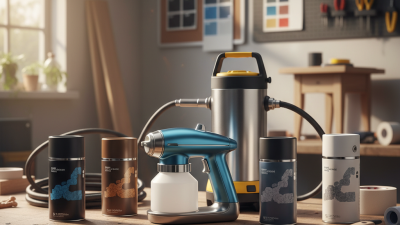
Industrial coating machines are complex systems designed to apply protective and decorative layers to various surfaces. Essential components include the spray gun, pump, and curing unit. The spray gun atomizes the coating material, allowing for an even application. Different spray technologies, such as airless or electrostatic, influence the quality and efficiency of the coating process. Using the right method is crucial but can often be overlooked in practice.
The pump is responsible for delivering a consistent flow of coating material. A well-maintained pump ensures a smooth operation. However, operators sometimes neglect routine checks, which can lead to uneven coatings or blockages. The curing unit, essential for solidifying the coating, plays a vital role in the overall process. It can involve heat, UV light, or chemical reactions, depending on the materials used. Observing the curing stage carefully is pivotal for achieving desirable results.
Overall, industrial coating machines require expertise and attention to detail. Operators should continuously refine their techniques to minimize errors. Each component interacts with others, creating a delicate balance. While achieving a perfect finish may seem straightforward, challenges exist in execution. Reflecting on these obstacles can lead to improvements and innovation in coating processes.
Industrial Coating Machines - Key Components Usage
The Coating Process: Steps and Techniques Involved
The coating process in industrial applications involves several critical steps and techniques. Initially, surfaces must be prepared. Cleaning is essential to remove dust and grease. Often, abrasive blasting or chemical cleaning is employed. This step greatly impacts the adhesion of the coating, ensuring durability and effectiveness.
Once prepared, the application process begins. Common techniques include spray coating, dip coating, and electrostatic coating. Each method offers unique benefits. Spray coating allows for even coverage, while dip coating provides a thick layer. Electrostatic coating attracts particles to the surface, resulting in minimal waste. The choice depends on the material and desired finish.
Curing is the final stage in the coating process. This involves drying and hardening the applied layer. Ovens or UV light may be used. Monitoring temperatures and times is crucial. Insufficient curing can lead to defects. Reflecting on these stages reveals the intricate balance required to achieve quality results. The coating process is complex and demands meticulous attention to detail.
Maintenance and Safety Considerations for Coating Machines
Industrial coating machines play a vital role in various manufacturing sectors, yet their maintenance and safety considerations are often overlooked. Regular maintenance is critical for ensuring the longevity of these machines. Reports indicate that improper maintenance can lead to increased costs, with an estimated 30% of maintenance budgets spent on unplanned downtime. Thus, adhering to a routine maintenance schedule is essential.
Safety is another paramount concern when operating coating machines. Accidents can occur if proper safety protocols are not followed. In 2022, the Occupational Safety and Health Administration (OSHA) reported a rise in workplace injuries associated with coating equipment. Operators must be trained to handle machines safely and understand the potential risks involved. Protective gear, such as gloves and masks, is essential to protect workers from hazardous fumes and chemicals.
Furthermore, the environment around coating machines must be monitored closely. Ventilation systems are crucial for reducing airborne contaminants, which can lead to health issues. Reports suggest that about 25% of workers exposed to high levels of these contaminants suffer from respiratory problems. Regular inspections and updates of safety equipment can help mitigate these risks and improve overall workplace safety.
What is an Industrial Coating Machine and How Does it Work? - Maintenance and Safety Considerations for Coating Machines
| Dimension |
Description |
Safety Considerations |
Maintenance Tips |
| Machine Type |
Electrostatic, Airless, and Conventional |
Ensure proper grounding to prevent electric shocks. |
Regularly inspect and clean the sprayer nozzle. |
| Application Areas |
Automotive, Aerospace, and Manufacturing |
Use PPE, including masks and goggles, during operation. |
Keep a maintenance log for each machine. |
| Coating Types |
Powder, Liquid, and UV Coatings |
Ensure good ventilation to avoid inhalation of fumes. |
Check the fluid viscosity regularly for consistency. |
| Operational Speed |
Varies from 0.5 to 10 meters per minute |
Monitor for overheating of machine components. |
Lubricate moving parts as per manufacturer's schedule. |
| Power Source |
Electric or Compressed Air |
Handle electrical cords carefully to avoid shock. |
Inspect power cords for any signs of wear or damage. |