How to Choose the Right Spray Can Nozzle for Your Needs?
Choosing the right spray can nozzle can significantly impact your project outcome. John Smith, a leading expert in aerosol technology, once said, "A nozzle can make or break your spraying experience." This statement highlights how crucial the right choice is in achieving the desired spray pattern and coverage.
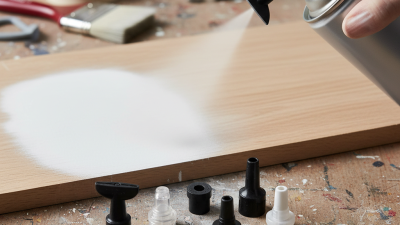
Different projects require different spray patterns. For instance, a fan nozzle may be perfect for larger surfaces, while a precision nozzle suits detailed work. Each type of spray can nozzle serves a unique purpose, and selecting the wrong one can lead to frustration. It is essential to consider the material and finish you are working with to ensure the nozzle matches your needs.
Understanding the various nozzle options available is vital. Many users often overlook compatibility between the spray can and the nozzle type. Such oversights can lead to wasted materials and time. It’s important to do thorough research and ask for expert advice when selecting your spray can nozzle.
Understanding the Types of Spray Can Nozzles Available
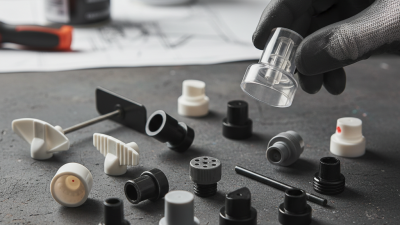
When selecting a spray can nozzle, understanding the various types is crucial. Nozzles can significantly impact the application of paint, coating, or adhesive. Common types include fan, stream, and wide spray. Each serves a different purpose and can change how your product looks and adheres. A fan nozzle spreads a fine mist, ideal for larger areas. Conversely, a stream nozzle delivers a concentrated application for precision work.
Tips: Experimenting with different nozzles can reveal surprising outcomes. A nozzle that seems right may not function as expected. It's wise to practice on scrap material before starting your main project. Testing helps refine your technique and ensures desired results.
Additionally, consider environmental factors when selecting nozzles. Humidity and temperature can affect spray patterns. A nozzle that works in dry conditions might underperform in humid conditions. Learn to adjust your approach according to these variables, which can be challenging but rewarding. Knowing how nozzles behave in different conditions shows experience and helps you produce better work.
Remember, practice makes perfect. Refining your skills with various nozzles will enhance your overall results. Stay informed about nozzle technology, as advancements continue to evolve. This knowledge contributes to your expertise and improves your projects over time.
Evaluating Your Project Requirements for Spray Application
When evaluating your project requirements for spray application, consider the desired finish and coverage. Different nozzles deliver various spray patterns, from fine mist to heavy spray. For instance, wide fan nozzles cover larger areas, ideal for painting walls or fences. In contrast, narrow nozzles produce a concentrated stream, perfect for detail work. According to industry data, using the correct nozzle can improve transfer efficiency by up to 75%.
Project size also influences nozzle selection. Smaller projects may benefit from adjustable nozzles, allowing for versatile applications. Larger jobs can require fixed nozzles for consistent results. Surveys indicate that one-third of users reported issues with overspray and uneven coats due to incorrect nozzle choice. Understanding your project's scale and application method is critical for optimal results.
Additionally, consider the fluid viscosity. Thicker materials require different nozzle types than lighter paints or stains. Technical reports suggest that mismatching nozzle and fluid can lead to clogging and inconsistent spray patterns. This not only affects your outcome but also increases labor time. Reflecting on these factors will help ensure you choose the most effective nozzle for your project.
Factors to Consider When Selecting a Spray Can Nozzle
Choosing the right spray can nozzle can transform your project. It’s essential to assess a few key factors before making a decision. Think about the type of paint or coating you will be using. Different nozzles work better with specific materials. For example, thicker substances often require wider openings for even coverage.
The spray pattern is also crucial. Some nozzles create a fine mist, while others offer a steady stream. Consider your desired finish. Do you want a more controlled application or a broad spray? A directional nozzle can help with detailed work. Pay attention to the nozzle’s size too. A smaller nozzle can provide precision but might clog easily.
Don’t overlook the ergonomic design. A comfortable grip is important for prolonged use. If you plan on using it for a while, a nozzle that fits well in your hand will make a difference. Finally, consider the cost versus quality. Not every expensive nozzle guarantees better performance. Reflect on your specific needs and choose accordingly.
Testing and Adjusting Nozzles for Optimal Performance
Choosing the right spray can nozzle is essential for achieving the best results. Once you have selected a nozzle, testing it is crucial. Test the nozzle on a small, inconspicuous area first. This step can help you understand the spray pattern and coverage. Adjusting the nozzle’s position can also change how the paint flows. Experiment with different distances to find the optimal application style for your project.
You may notice that some nozzles produce a wider spray while others create a more focused jet. This can impact the finish significantly. If the spray feels uneven, it might be time to clean or replace the nozzle. Sometimes, a seemingly minor adjustment can drastically affect your project.
Don't forget to consider the material you're working with. Different materials may require different techniques. Reflect on your experiences with previous projects. Learning from past mistakes can lead to better outcomes. Adjusting your approach based on what has and hasn't worked helps you refine your skills. Testing and adjusting nozzle settings is a continuous learning process rather than a one-time fix.
Maintenance Tips for Extending the Life of Spray Can Nozzles
Proper maintenance of spray can nozzles can significantly enhance their lifespan. A well-cared nozzle improves spray consistency and reduces clogging. Start by cleaning the nozzle after each use. A quick wipe with a cloth removes excess paint or product. Sometimes, you’ll need to soak the nozzle in a solvent to dissolve stubborn residues. This step can make a big difference.
Avoid leaving your spray cans in extreme temperatures. High heat can cause the nozzle to warp, while extreme cold can lead to inconsistent spray patterns. Store your cans in a cool, dry place. Another valuable tip is to keep the nozzle oriented upwards when not in use. This position helps prevent paint build-up inside the nozzle.
It's common to overlook nozzle care during projects. Many users only realize the importance of maintenance after a nozzle fails. Regularly inspect your nozzles for wear and replace them when necessary. Paying attention to these details ensures optimal performance. Don’t let a neglected nozzle ruin your painting experience.
How to Choose the Right Spray Can Nozzle for Your Needs?
This chart illustrates the effectiveness of different spray can nozzles based on user ratings and usage types. The data shows how nozzle types perform across various applications, helping you to make an informed decision on which nozzle to choose.