2026 How to Choose the Best Ultrasonic Dispersion Equipment?
In the rapidly evolving field of ultrasonic technology, choosing the best Ultrasonic Dispersion Equipment is crucial for achieving optimal results. Dr. Emily Carter, a leading expert in ultrasonic applications, asserts, "The right equipment can make a world of difference in consistency and quality." This statement highlights the significant impact that selection has on outcomes.
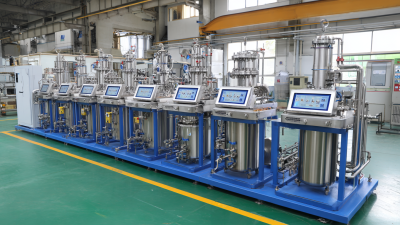
Understanding your specific needs and applications is the first step in the decision-making process. Different industries require varying dispersion qualities and capacities. Evaluating these parameters is vital. Furthermore, the technology behind Ultrasonic Dispersion Equipment has advanced significantly. High-performance models now offer improved efficiency and versatility to meet diverse operational requirements.
Despite ongoing advancements, many users still struggle with equipment adoption. There is sometimes a disconnect between what’s available and what’s needed. Assessing your production environment and user expertise can help bridge this gap. Overall, thoughtful consideration of these factors will aid in making an informed choice. The right Ultrasonic Dispersion Equipment can lead to enhanced performance and better results.

Understanding Ultrasonic Dispersion Technology
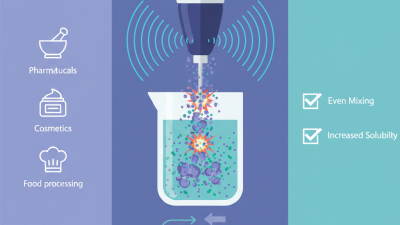
Ultrasonic dispersion technology plays a crucial role in various industries. It uses high-frequency sound waves to create cavitation bubbles in a liquid medium. When these bubbles collapse, they generate intense energy. This energy helps disperse particles, mix liquids, and even perform emulsification. Understanding how this process works is essential for effective equipment selection.
Different factors influence the performance of ultrasonic dispersion equipment. Frequency, power output, and probe design are key considerations. Each application may require a specific setup. For example, higher frequencies are suitable for delicate materials, while lower frequencies work better for thicker substances. However, optimizing the equipment for the desired outcome can be tricky. Overwhelming settings can lead to poor dispersion or even damage materials. Observing and adjusting is vital to achieving the best results.
It's also important to consider the medium being used. The viscosity and temperature can significantly affect performance. Some materials may respond well to ultrasonic treatment, while others may not. Regular testing and adjustments are necessary to refine processes. Choosing the right ultrasonic equipment requires more than just specs on paper. It demands a deep understanding of both the technology and the material properties involved.
2026 Ultrasonic Dispersion Equipment Performance Comparison
Key Factors to Consider When Choosing Equipment
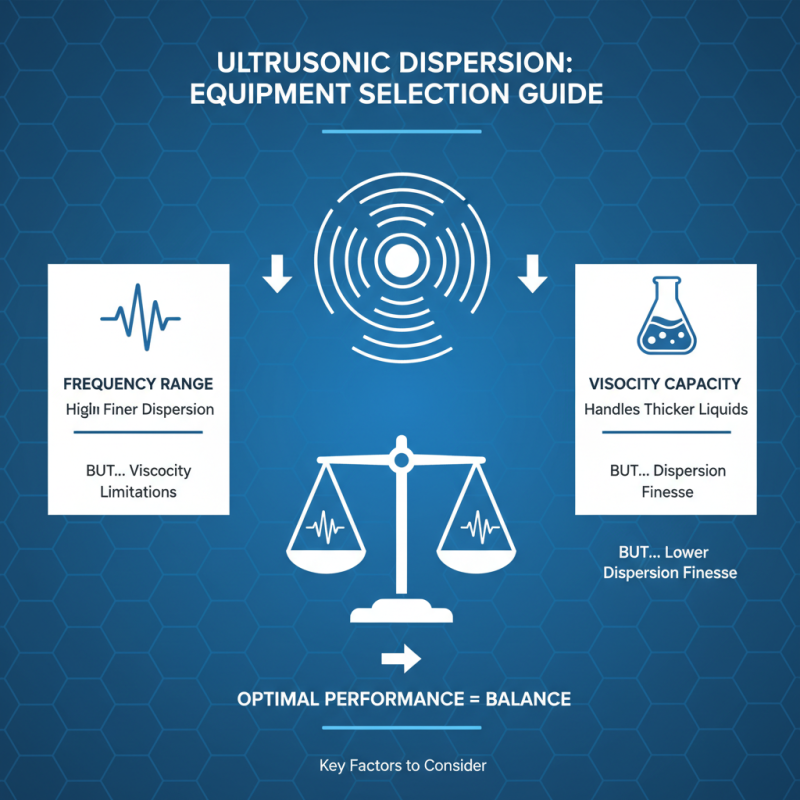
When selecting ultrasonic dispersion equipment, several key factors come into play. Assess the frequency range the equipment offers. Higher frequencies typically provide finer dispersion. However, they may come with limitations in viscosity handling. Finding a balance between frequency and viscosity capacity is essential for optimal performance.
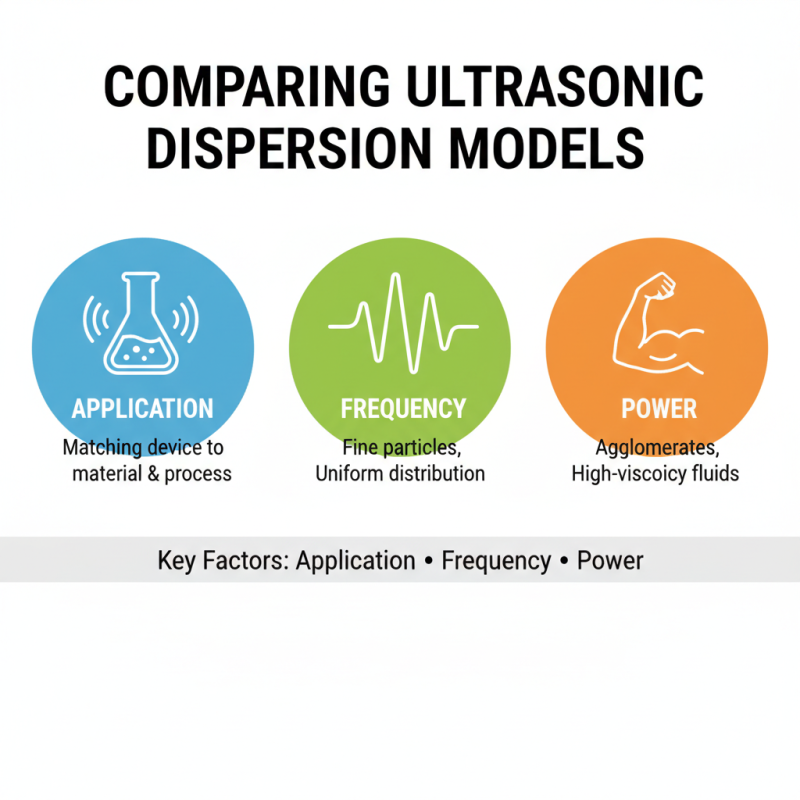
Another crucial consideration is power output. The power of the ultrasonic equipment directly impacts its ability to disperse materials effectively. Insufficient power may lead to incomplete dispersion, requiring you to adjust parameters. Additionally, investigate the efficiency of the equipment. Some machines may appear powerful, yet require long processing times.
Material compatibility deserves attention. Different materials respond uniquely to ultrasonic waves. Conduct thorough research to ensure your chosen equipment aligns with your materials. A mismatch can lead to unsatisfactory results. Lastly, think about maintenance and support. The best equipment will have reliable customer service. This ensures consistent performance and longevity of your investment. Always reflect on these factors to make a well-informed choice.
Maintenance and Operation Tips for Ultrasonic Equipment
Ultrasonic dispersion equipment requires regular maintenance to function optimally. First, ensure that the equipment is cleaned thoroughly after each use. Residues can accumulate, affecting performance. Use non-abrasive cleaners to prevent damage to sensitive parts. Check for any wear and tear on the probes and other components. Regular inspections can help identify issues before they become major problems.
When operating ultrasonic equipment, make sure to follow the manufacturer’s guidelines closely. Adjust the frequency and amplitude settings based on the material being processed. Incorrect settings may lead to ineffective dispersion. Monitor the temperature closely; excessive heat can cause damage. It's crucial to work in a controlled environment to minimize inconsistencies.
Don’t underestimate the importance of documentation during operation. Keep detailed records of equipment performance and maintenance activities. This practice helps in tracking issues over time. Reflecting on past operations can lead to improvements. Taking these steps will enhance equipment longevity and ensure reliable results.
2026 How to Choose the Best Ultrasonic Dispersion Equipment? - Maintenance and Operation Tips for Ultrasonic Equipment
| Feature |
Importance Level |
Maintenance Tips |
Operational Tips |
| Frequency Range |
High |
Regularly check and calibrate for optimal performance. |
Maintain a stable power supply and avoid overloading. |
| Power Output |
Medium |
Inspect connections and replace worn cables. |
Use appropriate sonotrode for material type. |
| Tank Size |
Medium |
Clean the tank regularly to prevent contamination. |
Monitor fluid levels to ensure consistent dispersion. |
| Temperature Control |
High |
Check temperature regularly and cool the system if necessary. |
Avoid overheating by controlling the duration of use. |
| Safety Features |
High |
Regularly test emergency shutoff and alarms. |
Ensure safety guards are in place before operation. |
Cost-Benefit Analysis of Ultrasonic Dispersion Systems
Choosing the right ultrasonic dispersion equipment involves careful consideration of costs and benefits. Ultrasonic dispersion systems can vary widely in price. Initial investment is just as important as long-term value. To determine the best approach, analyze how the system impacts productivity and product quality.
Tips: Consider the scale of your operation. A smaller setup may benefit from compact systems, while larger facilities might require industrial-grade machines. Always weigh installation and maintenance costs against the expected lifespan and efficiency.
One common misconception is that higher prices equate to better quality. It’s essential to research features and user experiences. Some systems may have lower upfront costs, but higher operational expenses can erode savings. Analyze energy consumption, frequency of repairs, and customer support services.
Tips: Look for user reviews and testimonials. They can provide insight into reliability. Engage with professionals in your industry to gain firsthand knowledge of their experiences. This collective wisdom can guide you in making an informed decision.