Top 5 Tips for Choosing the Best Ultrasonic Spray Coater?
Choosing the right Ultrasonic Spray Coater can significantly impact your production quality. With various models available, it can be challenging to identify the best fit for your needs. This equipment is essential for achieving precise coating applications.
When selecting an Ultrasonic Spray Coater, consider its specifications, such as droplet size and spray pattern. These features directly influence the coating's effectiveness. Reliability is crucial too; you want equipment that withstands daily operations.
Experience also plays a role. Some brands may excel in specific industries but fall short in others. User reviews can provide insights into real-world performance. Take the time to reflect on your requirements and the features that matter most to you. This decision will affect not only your efficiency but also the quality of your end products.
Understanding the Basics of Ultrasonic Spray Coaters
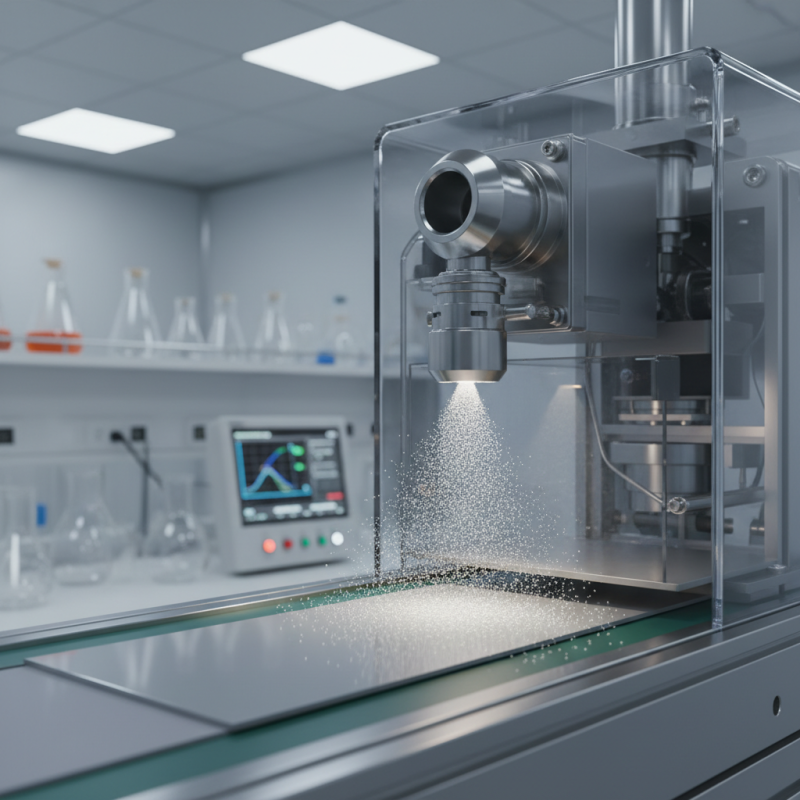
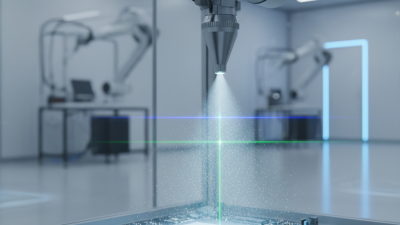
Ultrasonic spray coaters are innovative tools that use high-frequency sound waves to create fine mist droplets. This technology is advantageous for precise coating applications. Understanding how these machines operate is crucial for selecting the right one for your needs.
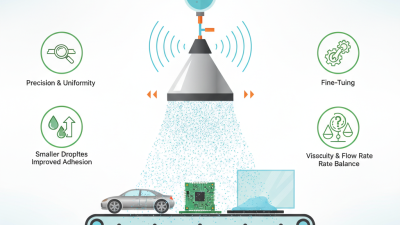
The efficiency of ultrasonic spray coaters depends on their design and functionality. Droplet size varies, affecting the coating thickness and quality. A coater that produces smaller droplets can provide a smoother finish, but it may require more consistent material flow. This adds complexity to the process. You must consider your specific application needs. Will you prioritize speed or precision in your work?
Maintenance is another key factor. Ultrasonic spray coaters can require regular cleaning to function optimally. Neglecting maintenance can lead to uneven coating and wasted materials. This situation often leads to additional costs and time loss. Careful attention to these details ensures that your investment provides the desired return. Understanding these core elements of ultrasonic spray coaters can help you make more informed choices in your projects.
Key Features to Look for in Ultrasonic Spray Coaters
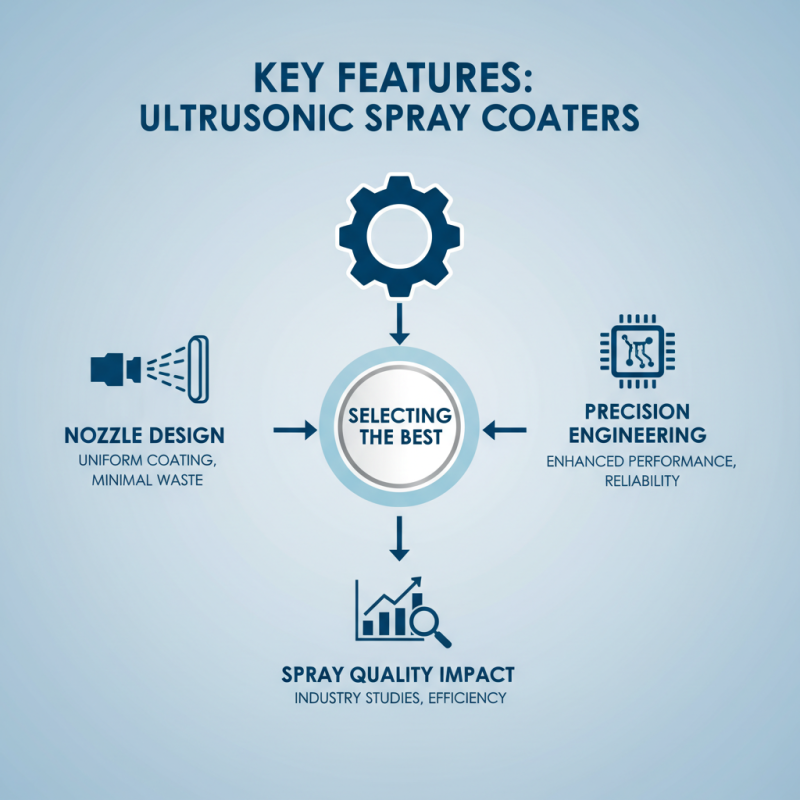
When selecting the best ultrasonic spray coater, understanding key features is essential. One primary aspect is the nozzle design. Efficient nozzles ensure uniform coating and minimal waste. Industry studies show that nozzle technology significantly impacts spray quality. Manufacturers often focus on precision engineering to enhance performance.
Another critical feature to evaluate is the dosing system. A reliable dosing system allows for accurate fluid delivery. According to recent reports, precise dosing can decrease overspray by up to 30%. This efficiency can boost production rates and reduce material costs, which is vital for any operation.
Lastly, consider the machine's maintenance needs. Regular upkeep is necessary for longevity and performance. Some models require more frequent servicing, affecting downtime. Reports indicate that excess downtime can lead to productivity losses of approximately 20%. Balancing performance with maintenance requirements is key for operational efficiency.
Evaluating the Material Compatibility of Spray Coaters
When selecting an ultrasonic spray coater, material compatibility should be a priority. The spray coater's materials must align with the substances you plan to apply. For example, if you are coating sensitive electronic components, choose materials that are non-corrosive and gentle. Using the wrong material can damage your products, leading to costly errors.
Conducting a thorough compatibility assessment can be beneficial. Test small batches of both the spray coater material and the substrate. Observing their interactions can reveal potential issues early on. Trust your observations. Sometimes, initial tests may present unexpected results requiring adjustments.
Consider the specific requirements of your application. Some applications may need coatings that withstand high temperatures or chemicals. In contrast, others prioritize flexibility or rapid drying times. Always document your findings and refine your choices. This approach builds a reliable foundation for successful coating processes.
Assessing the Efficiency and Performance of Spray Coaters
When considering ultrasonic spray coaters, efficiency and performance are critical. Recent reports indicate that improper selection can lead to a 15-30% increase in production costs. Users often overlook these factors, which can significantly impact the overall coating quality.
One essential aspect to assess is the atomization process. Studies show that higher frequency ultrasonic nozzles produce finer droplets. This results in better coverage and less waste. For instance, an optimal droplet size can enhance efficiency by up to 20%. Understanding the relationship between droplet size and material viscosity can help improve outcomes.
Another vital component to review is the maintenance requirements. Regular maintenance can extend the lifespan of the equipment, reducing downtime. Data reveals that neglected units may result in a 10% decline in performance within just a few months. Evaluating the ease of maintenance should be a crucial part of the decision process. This often gets pushed aside in favor of initial cost savings, but it’s essential for long-term efficiency.
Top 5 Factors Influencing the Efficiency of Ultrasonic Spray Coaters
Considering Budget and Maintenance Needs for Spray Coaters
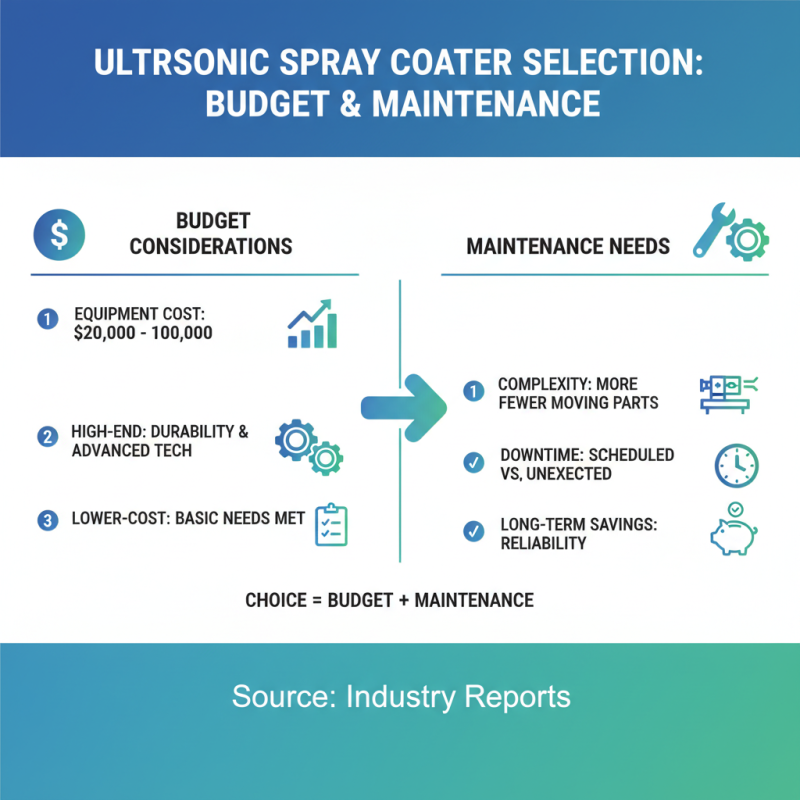
When choosing an ultrasonic spray coater, budget and maintenance needs are crucial considerations. Industry reports indicate that companies spend between $20,000 to $100,000 on spray coating equipment. Understanding your budget helps narrow down options. More expensive machines often offer better durability and technology. However, lower-cost options may meet basic needs.
Maintenance is another significant factor. Regular upkeep ensures efficiency and longevity. Many users overlook this aspect, leading to increased operational costs. A study showed that nearly 30% of spray coater failures result from inadequate maintenance. Simple tasks like cleaning and calibration can prevent costly repairs. Investing in user-friendly equipment can ease maintenance demands.
Balancing budget constraints and maintenance requirements is vital. Inexperience may lead to misguided decisions, resulting in unsatisfactory performance. Evaluate total costs, including maintenance, to find the best fit. Consider potential hidden expenses. An informed decision can substantially affect productivity and operational efficiency.