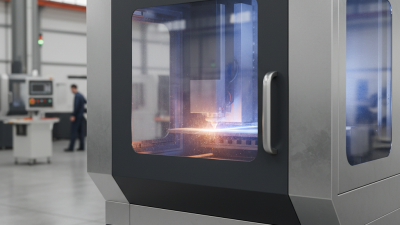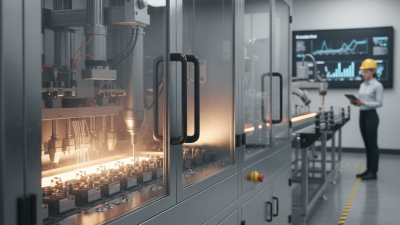
Choosing the best Powder Cutting Machine requires more than comparing motor power or advertised speed. The right choice depends on material behavior, cut tolerance, dust control, maintenance access, and daily production volume. A machine that performs well on dry, free-flowing powder may struggle with moisture, heat-sensitive compounds, or abrasive particles. Small details matter. Watch the feed path, seals, extraction ports, and collection container.
Industry reports show why this decision deserves careful research. Grand View Research estimates that the global powder metallurgy market will continue expanding through 2030, driven by automotive, aerospace, and industrial applications. Fortune Business Insights projects strong growth in the laser cutting machine market, reaching approximately USD 9.9 billion by 2032. These reports use different market definitions. That makes direct comparison imperfect, but the direction is clear: manufacturers want faster, cleaner, and more repeatable processing.
W. Edwards Deming, a respected manufacturing-quality expert, stated, “Quality comes not from inspection, but from the improvement of the production process.” That principle applies directly here. A high-priced Powder Cutting Machine is not automatically the best machine. Test samples under real operating conditions. Measure edge quality, powder loss, noise, cleaning time, and energy use. Ask suppliers for documented tolerances and service records. One overlooked weakness can become expensive later. The best selection may still involve compromise, especially when budget, throughput, and precision compete.
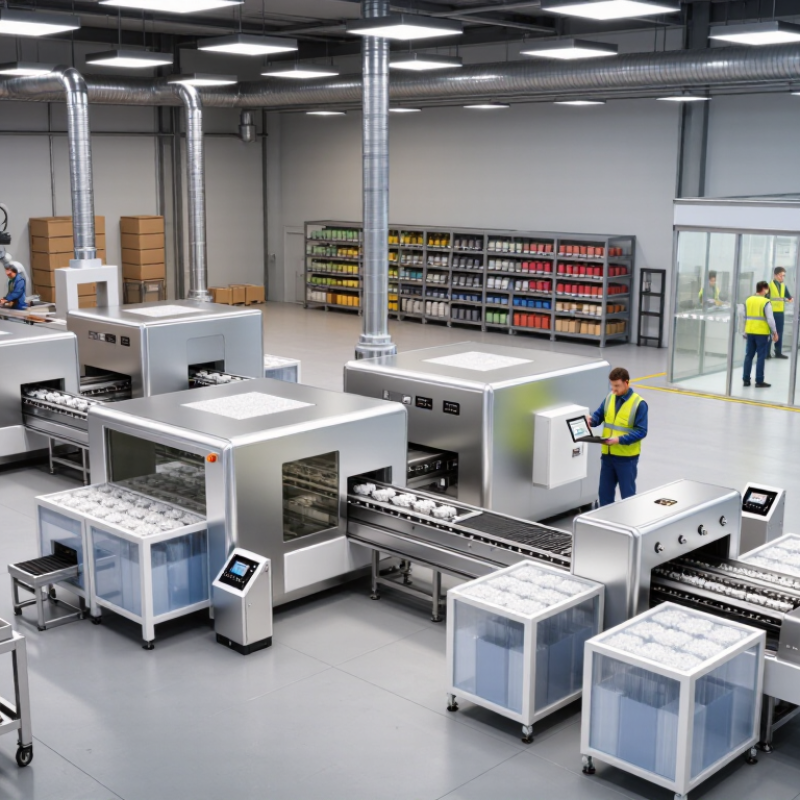
A powder cutting machine is designed to divide, trim, or shape powder-based material with controlled movement. In many workshops, it processes compacted powder blocks, pressed parts, or powder-coated sheets. It is not simply a saw for loose powder. The material must remain stable during cutting. Otherwise, dust spreads, edges crumble, and measurements become unreliable.
From practical use, the machine usually combines a cutting tool, a holding table, and dust-control equipment. Operators adjust cutting speed, pressure, depth, and feed direction for each material. Harder compounds may need slower movement. Fragile pressed parts require gentle support. I have found that machine accuracy depends on more than the cutting head. Fixture design matters greatly. This detail is easy to overlook.
Tips: Check the material’s density, moisture, and compacting strength before choosing equipment. Ask for test cuts using your actual powder compound. Measure edge quality, dust leakage, noise, and production speed. A clean sample is useful, but repeated results matter more. Do not trust one successful trial. Review blade wear, maintenance access, safety guards, and operator training. An experienced supplier should explain these limits clearly, provide technical data, and identify unsuitable applications rather than promise perfect results.
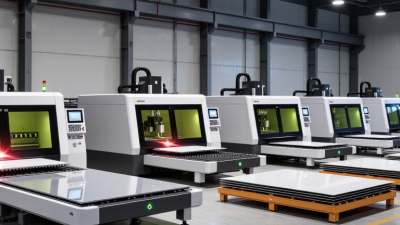
Start by describing the powder, not the machine. Record particle size, hardness, moisture, density, and flowability. Fine, dry powder may create airborne dust during feeding and cutting. Damp powder can bridge inside a hopper or produce uneven portions. Granules behave differently from cohesive powders. A small sample test often reveals more than a catalogue specification.
Consider the required output carefully. Measure the target portion weight, cutting tolerance, production speed, and material loss. Check whether the process needs continuous feeding or separate batches. For delicate powders, gentle handling may protect particle structure. For abrasive materials, contact surfaces need suitable wear resistance. The cutting chamber should also allow practical cleaning, especially when changing materials.
Safety data matters. Review the material’s safety data sheet and identify dust, static, moisture, and ventilation risks. Use guarding, grounding, filtration, and access controls that match the working environment and local requirements. In real testing, a machine may perform well for ten minutes but struggle after several hours. That detail is easy to miss. I once focused too heavily on cutting accuracy and underestimated powder buildup around the feed area. The result was inconsistent output. Repeated trials, realistic batch sizes, and operator feedback can expose these weaknesses before purchase.
Choosing the best powder cutting machine starts with the material, not the machine’s advertised speed.
Powder itself flows, so operators usually cut compacted blocks, coated sheets, or powder-filled components.
A CNC knife suits soft, thin materials and creates little heat. Laser cutting gives clean edges on dense sheets, but heat can discolor sensitive coatings. Abrasive waterjet cutting avoids a heat-affected zone, although it uses more water and requires careful drying.
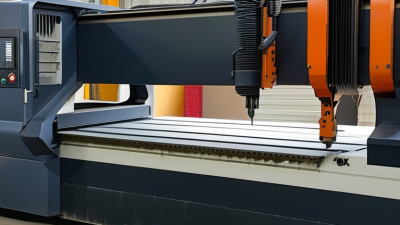
Machine type affects daily productivity. A flatbed system works well for repeated sheet layouts, while a gantry machine handles larger workpieces and thicker compacted sections.
According to the MarketsandMarkets 2024 Laser Cutting Machine Market report, the market could grow from about USD 7.9 billion in 2024 to USD 11.1 billion by 2029. That growth reflects automation demand, not proof that laser is always best. It may struggle with reflective surfaces or dusty environments.
Key features deserve practical testing.
Check dust extraction, sealed guides, automatic height control, nozzle access, and software compatibility.
Grand View Research reports continued growth in the waterjet cutting machine market, supported by demand for cold cutting and complex profiles. Ask for a sample cut using your actual powder mixture. Measure edge chipping, material loss, cycle time, and cleanup effort.
Small details matter. I would also inspect guarding against ISO 12100 principles, because an efficient machine becomes a poor investment when maintenance is awkward.
My own selection mistake would be trusting maximum cutting speed; real production often loses time during loading, calibration, and powder removal.
Choosing a powder cutting machine starts with the powder, not the machine brochure. Test samples with different moisture levels, particle sizes, and flow behavior. Fine powders can scatter during feeding and distort the cut line. Ask for measured repeatability, not vague claims of high precision. In practical trials, inspect edge quality under magnification and weigh the cut portions. A clean-looking result may still hide inconsistent dosing. Keep records for several production cycles.
Capacity should match your real workload. A machine rated for maximum output may struggle with continuous operation. Compare hourly capacity at your target accuracy, not empty-run speed. Check hopper volume, refill frequency, and changeover time. If operators force material through the feed system, accuracy may decline. That detail is easy to miss.
Safety and maintenance deserve equal attention. Look for enclosed cutting areas, interlocks, dust control, emergency stops, and accessible cleaning points. Powder residue can collect around seals, sensors, and moving guides. Choose contact surfaces that are easy to inspect and clean. Review maintenance logs from similar applications, if available. Ask how often blades, filters, and calibration components need attention. I would also test a restart after cleaning; some machines return to settings imperfectly. That weakness should affect your risk assessment. Train operators to verify calibration after adjustments or long shutdowns. Reliable performance comes from documented checks, not confidence alone.
Choosing a powder cutting machine starts with production goals, not the lowest quotation. Define hourly output, powder density, particle behavior, batch size, and acceptable loss. A machine rated for 500 kilograms per hour may slow with cohesive powder. It may also need frequent cleaning. Ask suppliers for a material trial using your actual powder. Record throughput, cut consistency, dust release, changeover time, and operator effort. Small details matter.
Budget decisions should include total cost of ownership. The U.S. Department of Energy’s Improving Compressed Air System Performance guide reports that compressed air can represent about 10% of industrial electricity use. Therefore, compare motor power, air demand, extraction load, maintenance intervals, and spare-part costs. A cheaper machine can become expensive when seals wear quickly or cleaning takes two hours. Request five-year operating estimates. They will not be perfect, but they expose weak assumptions. Include installation, training, guarding, and calibration.
Production goals may justify automation, but only when volume supports it. The International Federation of Robotics’ World Robotics 2024 report recorded 541,302 industrial robot installations worldwide in 2023. Automation is growing. Yet it is not automatically efficient. Select sensors and controls that protect cutting accuracy and detect blockages. Keep manual access practical. Verify documentation, test records, and compliance with applicable machinery and workplace-safety requirements. Leave 15–20% capacity headroom for seasonal demand. Too much wastes capital. Too little creates overtime, dust, and rushed maintenance.
Compare representative machine configurations by estimated purchase budget and powder-processing throughput. Actual performance depends on material type, particle size, cut accuracy, automation level, and operating conditions.
Selection guide: Entry-level machines suit small batches and limited budgets. Standard automatic systems provide a balanced choice for regular production, while high-throughput systems are more suitable for continuous industrial operations and larger production targets.