What is a Tinning Machine and How Does It Work?
In the modern manufacturing landscape, the Tinning Machine plays a crucial role in metal processing. This sophisticated device applies a thin layer of tin to metal surfaces, enhancing corrosion resistance and improving solderability. As industry expert Dr. Emily Chen states, "Understanding the function of a Tinning Machine is key to optimizing metal assembly processes."
The operations of a Tinning Machine involve several intricate steps. First, the metal components are cleaned to remove any impurities. Next, they pass through the tin plating process, where molten tin is applied. The precision of this application is vital. Inadequate tin coverage can lead to product failure. This highlights the importance of quality control in tinning.
Despite its benefits, the Tinning Machine also faces challenges. Variations in temperature can affect the quality of the tin layer. Therefore, operators must continuously monitor the process. Reflecting on these aspects is essential for any manufacturing professional. The Tinning Machine represents both advancement and complexity in metal processing. Understanding its intricacies can lead to better practices and improved outcomes.
What is a Tinning Machine?
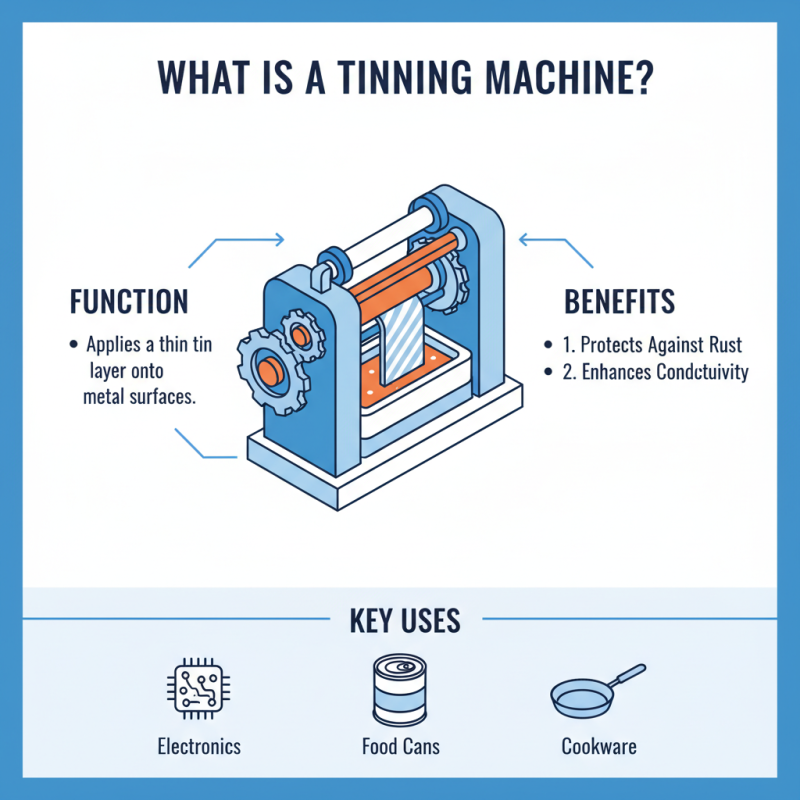
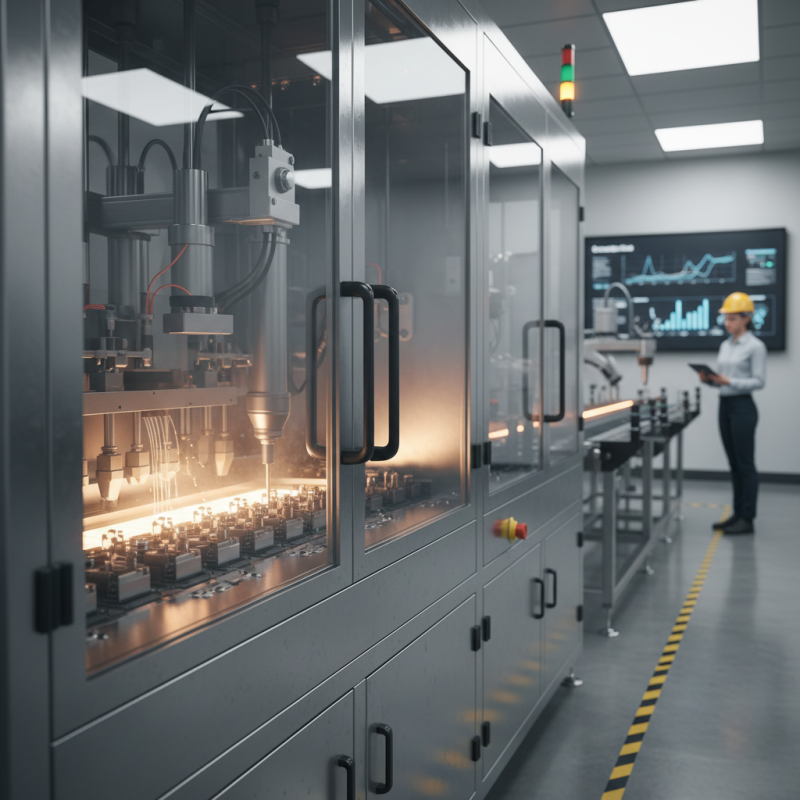
A tinning machine plays a crucial role in the metal processing industry. It helps apply a thin tin layer onto metal surfaces. This process protects against rust and enhances conductivity. Such machines are essential for producing electronics, food cans, and cookware.
When operating a tinning machine, understanding the temperature and speed settings is vital. Tin melts at a low temperature, yet even slight variations can affect the coating quality. A consistent feed of metal through the machine ensures a uniform application of tin, avoiding gaps that might lead to corrosion.
Tips: Always check the tin quality before use. Low-quality tin can result in poor adhesion. Regular maintenance of the machine improves its longevity. A well-kept machine reduces the chances of errors in the coating process. Engaging in these practices can lead to better production outcomes.
The History and Evolution of Tinning Machines
The history of tinning machines is both fascinating and complex. These machines emerged during the Industrial Revolution, driven by the need for efficient food preservation. Early tinning methods required manual processes, which were time-consuming. As demand grew, inventors began designing machines to streamline these tasks.
By the mid-19th century, tinning machines had evolved significantly. They incorporated steam power, enhancing production speeds. This transition marked a shift from artisanal methods to industrial production. Initially, operators faced challenges. Machines broke down frequently, leading to inconsistent quality. This was a learning curve for manufacturers.
In the 20th century, advancements in technology transformed tinning processes. Automation became more widespread. Modern machines now ensure even coating and high throughput. Despite progress, problems persisted. Maintenance and machine reliability remained critical issues for factory owners. Understanding these historical complexities can inform better practices today.
How Tinning Machines Function: Key Components and Processes
Tinning machines play a crucial role in the metal industry, especially in the production of
tin-coated products. These machines primarily utilize a series of rolls to deposit a thin layer of tin onto the surface of metals such as steel. The process happens in several stages, which include cleaning, tinning, and cooling.
The key components of a tinning machine include the tin bath, rollers, and cooling units. The tin bath usually consists of molten tin heated to around 230 °C to ensure proper adhesion. A recent industry report indicates that about 70% of manufacturing faults arise from improper preparation of the metal surface before tinning. This highlights the importance of the cleaning phase, where oxides and contaminants must be thoroughly removed.
Understanding the operational challenges of tinning machines is essential. A study revealed that about 15% of production downtime is attributed to mechanical failures related to the rollers. Frequent maintenance is necessary to ensure optimal performance. Additionally, there are ongoing discussions about the environmental impact of tinning processes. Striking a balance between efficiency and sustainability remains a challenge for manufacturers.
Applications of Tinning Machines in Various Industries
Tinning machines play a crucial role in various industries, primarily in electronics and metalworking. These machines apply a layer of tin to metal surfaces, enhancing corrosion resistance and solderability. According to a report by Allied Market Research, the global tin market is expected to reach $6.4 billion by 2025, reflecting the growing demand for this coating in electronics manufacturing.
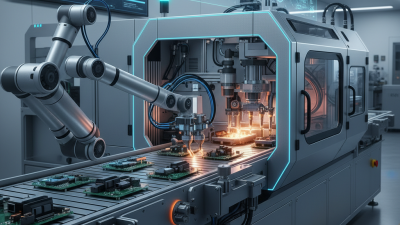
In the electronics sector, tinning machines are essential for circuit boards and connectors. They ensure that solder joints are reliable and durable. A study by the IPC shows that defective solder joints can lead to a 30% increase in electronic component failure rates. Thus, industries prioritize advanced tinning processes to maintain quality and compliance with international standards.
In the automotive industry, tinning machines are utilized for wire harnesses and connectors. These applications can influence the overall durability of vehicles. A report from Market Insights states that the automotive tin market segment is projected to grow by 5% annually. However, improving the efficiency of tinning processes remains a challenge. Companies often face issues like uneven coating or excessive oxidation, which can compromise the tin's effectiveness. Continuous innovation and quality control are vital.
Advantages and Disadvantages of Using Tinning Machines
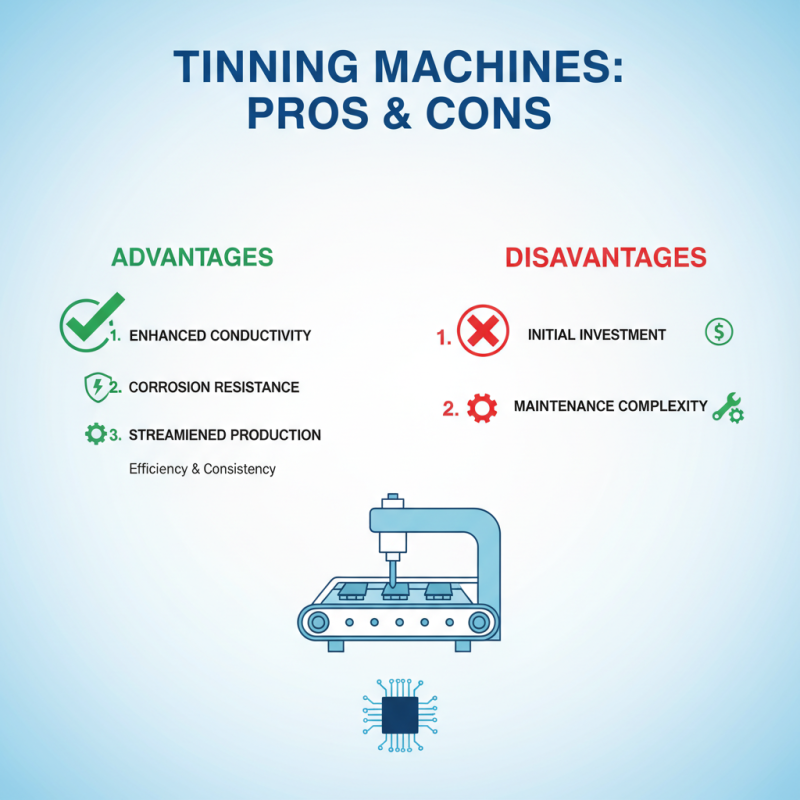
Tinning machines play a crucial role in the electronics industry. They are used to coat metal surfaces with a thin layer of tin. This process enhances conductivity and resistance to corrosion. The use of these machines streamlines production, which is a clear advantage. Automated processes increase efficiency and consistency, ensuring high-quality finishes.
However, relying on tinning machines has drawbacks. Initial costs can be high, especially for small companies. Maintenance and operation require skilled personnel. Additionally, not every metal is suitable for tinning. This limitation complicates material selection for manufacturers. Furthermore, the environmental impact of tinning processes raises concerns. Workers must be aware of proper disposal methods for waste materials.
Though there are upsides, companies should weigh these factors. Investing in technology can be beneficial, but it requires careful consideration. Understanding both the advantages and disadvantages helps businesses make informed decisions. This balance is essential for sustainable growth and efficient operations in the electronics sector.