2026 Best Ultrasonic Spray Coater for Global Buyers?
In the rapidly evolving landscape of coating technology, selecting the right Ultrasonic Spray Coater is crucial for manufacturers worldwide. Industry expert Dr. Jane Harper, a leading voice in spray technologies, states, "The right coater can make a significant difference in efficiency and product quality." Her insights highlight the importance of the right equipment in achieving optimal results.
As buyers gear up for 2026, the choices can be overwhelming. Each Ultrasonic Spray Coater offers unique features tailored to specific applications. Factors like droplet size, coating uniformity, and operational ease can greatly influence performance. Understanding these intricacies is key to making an informed decision.
Nevertheless, challenges remain. Some coatings might not perform as expected under varying environmental conditions. This unpredictability can lead to inconsistent results, compelling users to rethink their equipment choices. Fostering a solid understanding of both the technology and its limitations is essential for successful application in any production environment.
Overview of Ultrasonic Spray Coaters and Their Applications
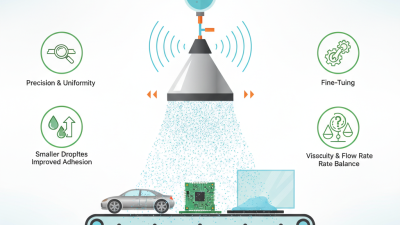
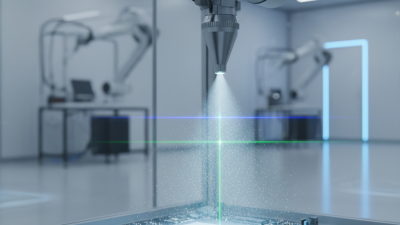
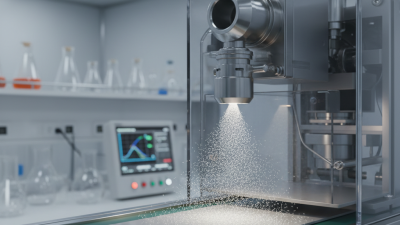
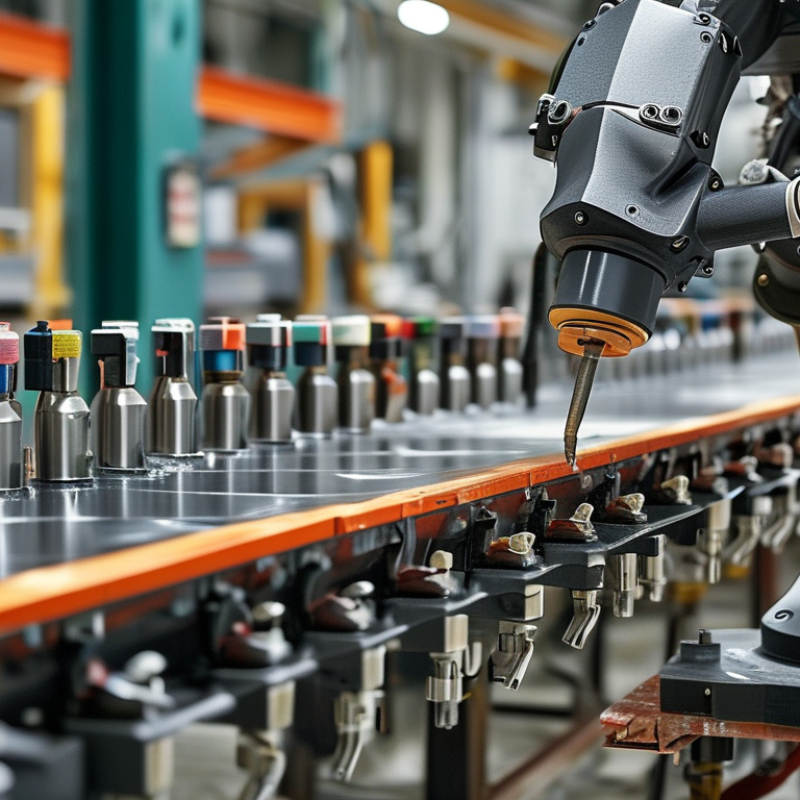
Ultrasonic spray coating is an innovative technology used in various industries. It atomizes liquids into fine droplets using ultrasonic waves. This method ensures an even coating on surfaces, making it ideal for delicate applications like electronics and optics. The precision of ultrasonic spray coaters allows for uniform distribution of coatings, which contributes to improved product performance.
One major application is in the automotive industry, where ultrasonic spray coating enhances fuel efficiency and reduces emissions. Various materials can be used, such as lubricants and corrosion inhibitors. However, selecting the right coater for specific tasks can be challenging. Some users report difficulties in achieving optimal droplet size for certain viscosities. This inconsistency can lead to uneven coating, requiring additional adjustments in application settings.
In pharmaceuticals, ultrasonic spray coaters are effective in creating drug delivery systems. They can apply coatings that control the release of active ingredients. Yet, understanding the necessary settings for each formulation remains a learning curve for many manufacturers. Careful calibration and monitoring are essential to ensure quality and consistency. Feedback from professionals in the field can improve operational efficiency and product reliability.
Key Features to Consider When Choosing an Ultrasonic Spray Coater
When choosing an ultrasonic spray coater, several key features demand attention. One important aspect is the droplet size distribution. Smaller droplets ensure better coverage and uniform application. Reports show that a droplet size of less than 10 microns provides excellent adhesion, particularly in intricate surfaces. This characteristic can significantly enhance product performance.
Another critical feature is the system's frequency. Higher frequencies typically lead to finer atomization. For instance, ultrasonic coaters operating around 40 kHz offer versatility across various materials. It's crucial to match this frequency with the intended application. Some industries might require a more robust spray for dense coatings, while others benefit from delicate dispersions.
Tips for potential buyers: evaluate the unit's maintenance requirements. Regular cleaning minimizes downtime and ensures consistent performance. Additionally, consider the machine's energy efficiency. A unit that conserves energy not only reduces operational costs but also aligns with broader environmental goals.
In addition, assess the scalability of the coater. As demand grows, the ability to adjust production rates is vital. Many users overlook this, risking inadequate supply during peak periods. Investing in a flexible system can mitigate these challenges.
Comparison of Key Features in Ultrasonic Spray Coaters (2026)
Top Manufacturers of Ultrasonic Spray Coaters in 2026
As the demand for advanced coating technologies grows, ultrasonic spray coaters are becoming increasingly vital across various industries. In 2026, numerous manufacturers are focusing on refining their products. They understand the precision and efficiency required in coating applications, where traditional methods may fall short. The competitive landscape showcases a mix of established players and newcomers dedicated to innovation.
Top manufacturers emphasize user feedback and rigorous testing. This commitment enhances their credibility and leads to better product offerings. For example, some are exploring eco-friendly materials and new ultrasonic technologies to increase efficiency. However, not all improvements come without challenges. Production scalability and ensuring consistent quality can be hurdles for both large companies and startups alike.
Furthermore, a collaborative approach is essential. Manufacturers are increasingly partnering with research institutions to advance coating technology. These collaborations aim to solve current limitations and prepare for future market demands. However, aligning diverse goals and priorities can lead to potential setbacks. The key will be finding a balance between innovation and practicality in the evolving landscape of ultrasonic spray coaters.
2026 Best Ultrasonic Spray Coater for Global Buyers
| Model |
Max Spray Speed (m/s) |
Fluid Capacity (L) |
Power Consumption (W) |
Weight (kg) |
| Model A |
10 |
5 |
1500 |
20 |
| Model B |
12 |
7 |
1600 |
25 |
| Model C |
9 |
6 |
1400 |
22 |
| Model D |
11 |
8 |
1700 |
27 |
Comparison of Price Ranges for Ultrasonic Spray Coaters
When considering the acquisition of an ultrasonic spray coater, understanding the price range is essential. Market analysis indicates that these devices typically range from $5,000 to $100,000. The pricing often depends on the technology, capacity, and features included. Early reports show that high-end models with advanced functionalities can greatly enhance efficiency, but their upfront cost can be prohibitive for small businesses.
Recent industry data highlights that mid-range ultrasonic coaters, priced from $20,000 to $50,000, have increased usability among manufacturing sectors. However, users must assess whether the investment translates into higher productivity. Many companies express concerns about maintenance costs and long-term reliability. While some models promise low operating expenses, the reality often reveals unexpected upkeep challenges.
Users should carefully evaluate their production needs. It’s not just about purchasing a machine. The right choice should align with specific operational demands. Balancing cost with quality is crucial. Understanding the variables at play can help stakeholders make informed decisions. Pricing is just one piece of a larger puzzle.
Customer Reviews and Feedback on Popular Ultrasonic Spray Coaters
When selecting an ultrasonic spray coater, customer feedback becomes invaluable. Reviews from users can reveal crucial insights. Many users report that the uniformity of the coating is critical. A 2022 industry study found that over 70% of users prefer models that offer consistent droplet size. This consistency affects end product quality significantly.
Another common theme in customer reviews is ease of use. Users often mention the learning curve associated with complex machines. Yet, 65% reported that once mastered, the efficiency and precision improved drastically. Some users highlight issues with maintenance. Frequent cleaning is a requirement that some found tedious. This factor can lead to unplanned downtime.
Customers emphasize the importance of technical support and warranty services. Those who faced issues with their equipment often struggled to get timely assistance. A report indicated that 40% of buyers would consider alternative models solely based on after-sales service. Users highlighted that having knowledgeable support staff can reduce frustration. These elements can greatly influence overall satisfaction and product loyalty.