Top Ultrasonic Dispersion Equipment for Global Buyers?
In today's fast-paced industrial landscape, the demand for efficient processing solutions is ever-increasing. Ultrasonic Dispersion Equipment stands out as a vital asset for manufacturers across various sectors. This equipment is essential for achieving superior particle size reduction and enhanced distribution of materials.
The versatility of ultrasonic technology allows for various applications, from pharmaceuticals to cosmetics. It offers precise control over the dispersion process, leading to better product quality. However, selecting the right ultrasonic dispersion equipment can pose challenges. Factors such as scale, material, and desired outcomes must be carefully considered.
Many global buyers often feel overwhelmed by the options available in the market. It is crucial to seek guidance from experts in the field to make informed decisions. This involves understanding both the benefits and limitations of different designs and technologies. Ultimately, investing in the right ultrasonic dispersion equipment can significantly enhance operational efficiency and product innovation.
Top Ultrasonic Dispersion Equipment Overview
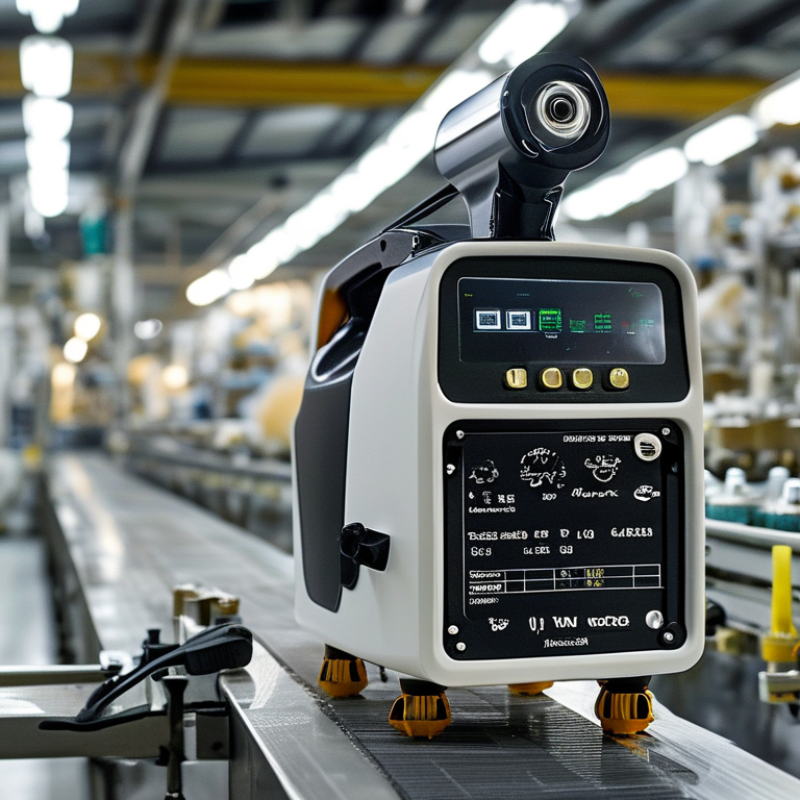
Ultrasonic dispersion equipment plays a vital role in many industries. It enhances the mixing and homogenization of various materials. This technology uses high-frequency sound waves to create cavitation bubbles in liquids. When these bubbles collapse, they release energy that efficiently breaks down particles.
In the realm of science and manufacturing, effective dispersion is crucial. Quality ultrasonic devices can disperse nanoparticles, pigments, and emulsions. This precision leads to improved product consistency and performance. Users often highlight the importance of reliable equipment. Ease of operation and maintenance are also key features to consider. However, the initial investment can be daunting for some buyers.
Moreover, understanding the specifications is essential. Selecting the right frequency and power levels can significantly affect outcomes. Buyers should not overlook the necessity for proper training. Inadequate knowledge can lead to inefficient results. Balancing cost and performance may require careful reflection. Each application has unique requirements, making tailored solutions necessary for success.
Key Features to Look for in Ultrasonic Dispersion Machines
When selecting ultrasonic dispersion machines, certain key features are essential to ensure optimal performance. The frequency range is crucial. Most operational frequencies lie between 20 kHz to 40 kHz, which is ideal for effective dispersal of materials. Operating within this range enhances the cavitation effect, leading to better results. Additionally, power output, typically measured in watts, plays a significant role in dispersion efficiency. A higher wattage generally translates to stronger ultrasonic waves, improving the dispersion of challenging materials.
Another important aspect is the design of the ultrasonic probe. Probes constructed from durable materials increase longevity and reliability. A well-designed probe can also enhance the effective range of dispersal, ensuring that larger volumes can be processed in shorter time frames. Reports indicate that machines with adjustable amplitude settings provide better customization, which can be vital when working with varying material viscosities. The ability to adjust according to the specific requirements of the substance can significantly impact the quality of the end product.
Consideration should also be given to the ease of operation and maintenance. Machines that allow for quick setup and straightforward operational controls are often favored by users. Regular maintenance checks should not be complex. Yet some machines may require more frequent servicing, which can be a drawback. Ultimately, identifying the right balance of features can be challenging but is essential for achieving the desired results.
Popular Brands and Models in the Market
The demand for ultrasonic dispersion equipment has been rising in various industries. This technology enhances product quality by optimizing the dispersion of particles in liquids. Buyers around the world seek reliable equipment that meets their specific needs. Different models are available, each designed for unique applications. This variety allows companies to find solutions tailored to their processes.
Among popular models, some focus on high efficiency. They often feature advanced transducer designs and user-friendly interfaces. However, the effectiveness of these machines can vary based on the materials being processed. Some buyers have reported challenges with maintenance and calibration. These factors can impact the overall performance of the equipment.
Another critical aspect is the size of the unit. Smaller models may be more affordable but often have limited output capacity. Larger systems generally provide greater power, but they come with increased costs and space requirements. Buyers must weigh these considerations carefully. Making the right choice requires in-depth research and a clear understanding of operational needs. Each decision should reflect both immediate requirements and long-term goals.
Applications of Ultrasonic Dispersion Equipment
Ultrasonic dispersion equipment plays a crucial role in various industries, such as cosmetics, pharmaceuticals, and food processing. The ability to create stable, homogenous mixtures with particles as small as a few nanometers is transformative. In these sectors, particle size distribution impacts product effectiveness and quality. Studies indicate that over 70% of manufacturers prioritize particle size in formulations.
In the cosmetic industry, for instance, ultrasonic dispersion enhances the uniformity of creams and lotions. This technology helps disperse pigments and active ingredients, resulting in better color consistency and efficacy. According to recent industry reports, products developed using ultrasonic methods show up to a 30% improvement in performance compared to those mixed by traditional means. The food processing sector also benefits significantly. Ultrasonic dispersal improves the stability of emulsions, leading to better texture and flavor retention.
Despite these advantages, there are challenges. For instance, the cost of ultrasonic dispersion equipment can be high, putting it out of reach for some smaller companies. The technical skills required for operation can also be a barrier. Inadequate training may lead to suboptimal results. These realities prompt reflection on the necessity of balancing cost with technological advancements in the field. Advances must be accessible and practical for widespread adoption.
Top Ultrasonic Dispersion Equipment Applications
Guidelines for Selecting the Right Equipment for Your Needs
When selecting ultrasonic dispersion equipment, it's essential to understand your specific needs. The global market for ultrasonic dispersion technologies is expected to grow substantially, estimating a rise to over $1.2 billion by 2025. This figure reflects a growing demand in industries like pharmaceuticals, food processing, and materials science. The right equipment can enhance product quality and operational efficiency.
Consider the following factors. The frequency of operation plays a significant role in dispersion effectiveness. Equipment that operates at optimal frequencies often achieves better results in terms of uniformity and particle size reduction. Data from industry reports indicate that higher frequencies can improve dispersion rates but may require more careful handling.
Another crucial aspect is the power output. Adequate power ensures you can achieve desired outcomes, yet excessive power can lead to unwanted heat generation. In many cases, it’s beneficial to consult with experts who can guide you based on application requirements. Some users report difficulties in finding the right balance, leading to inefficiencies or subpar results. Thus, conducting thorough research and seeking professional advice can minimize these challenges while maximizing investment value.
Top Ultrasonic Dispersion Equipment for Global Buyers
| Model |
Power (W) |
Frequency (kHz) |
Volume Capacity (L) |
Material Compatibility |
Price Range (USD) |
| Model A |
500 |
20 |
5 |
Plastic, Glass |
1,000 - 1,500 |
| Model B |
1000 |
25 |
10 |
Metal, Ceramic |
2,000 - 3,000 |
| Model C |
750 |
30 |
7 |
Glass, Rubber |
1,500 - 2,200 |
| Model D |
1250 |
22 |
15 |
Plastic, Metal |
2,500 - 3,500 |
| Model E |
600 |
40 |
20 |
Metal, Glass |
1,800 - 2,500 |