How to Choose the Right Spray Can Nozzle for Your Needs?
Choosing the right spray can nozzle is crucial for achieving precise results in your projects. As expert Mark Thompson, a renowned specialist in spray technology, once said, "The right nozzle can profoundly impact the quality of your work." Nozzles can vary widely in size, shape, and function, making the selection process overwhelming.
An appropriate spray can nozzle dictates spray pattern and fluid flow. A wide nozzle works well for large areas, while a narrow nozzle suits detailed applications. Users must consider their specific needs and the materials they will spray. Mistakes in nozzle choice can lead to wasted time and effort. Understanding the unique features of each nozzle is vital for effective application.
Many projects require trial-and-error to find the most effective spray can nozzle. This trial phase can be frustrating. However, with patience and the right guidance, it is possible to discover the ideal nozzle for your needs. Relying on expert recommendations can enhance your decision-making process, leading you to successful outcomes.
Understanding the Different Types of Spray Can Nozzles
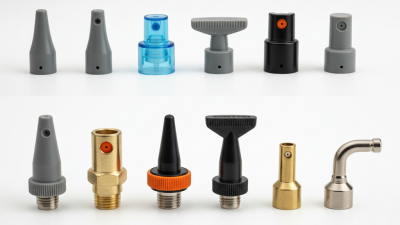
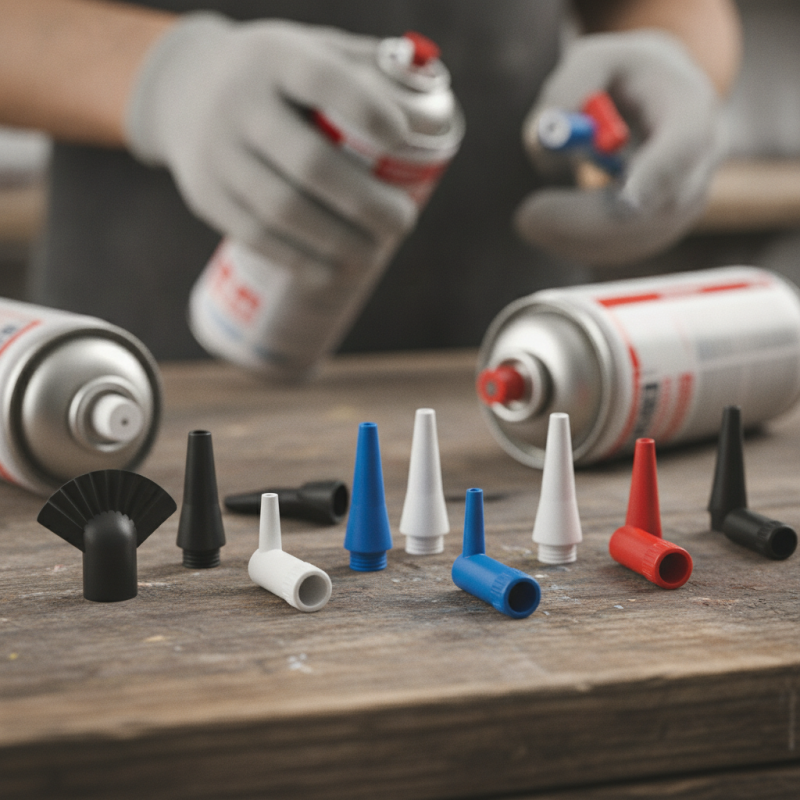
When selecting a spray can nozzle, it is essential to understand the various types. Different nozzles serve distinct purposes. For instance, fan nozzles produce a wide spray pattern, ideal for covering large areas. Conversely, precision nozzles allow for finer control and detail work. Understanding these functions can significantly impact your project outcome.
Another key factor is the nozzle size. Larger nozzles dispense more paint quickly, which is perfect for bigger jobs. Smaller nozzles can create intricate designs but may require more effort to apply evenly. It’s crucial to experiment and see which nozzle works best for your application. Many users face challenges in achieving the desired finish. A simple nozzle change can yield surprising results.
Not all nozzles are suitable for every project. Some materials may react differently to specific nozzles. It’s beneficial to test various options before committing to a large task. Remember, even seasoned users encounter difficulties. Learning from each attempt can lead to better choices in future projects.
Comparing Spray Patterns: Fan, Stream, and Mist Nozzles
Choosing the right spray can nozzle can greatly affect your project. Understanding the different spray patterns is essential. The three main types of nozzles are fan, stream, and mist.
Fan nozzles spray in a wide, flat pattern. They cover large areas quickly, making them ideal for painting walls or large surfaces. However, precision can be an issue. If you're not careful, it’s easy to overspray or create uneven layers.
Stream nozzles deliver a focused, powerful jet. They work best for detailed work or when you need a strong application. This type can be tricky. It requires a steady hand, as the concentrated stream can easily miss narrow areas or small objects.
Mist nozzles produce a fine spray, giving a light application. They are great for delicate tasks, like applying clear coats. However, wind can affect the directness of the spray, leading to waste. Finding the right nozzle is about balancing your needs with the challenges each type presents.
Evaluating Nozzle Materials and Durability
When selecting the right spray can nozzle, understanding materials and durability is crucial. Nozzles come in various materials, including plastic, metal, and rubber. Each material has its benefits and limitations. Plastic nozzles are lightweight but may not withstand high-pressure applications. Metal nozzles, while more durable, can cost more and may rust if not properly maintained.
Durability should be a key factor in your decision. Examine how often you will use the nozzle. Frequent use demands robust materials. A nozzle that wears out quickly can lead to frustrating experiences. Beyond material, check for features like adjustable spray patterns. This can enhance versatility while reducing the need for multiple nozzles.
Consider your specific needs. A nozzle suitable for automotive paint may not work for household projects. Testing different nozzles can reveal preferences. Some users find smooth operation paramount, while others prioritize ease of replacement. Everyone's needs differ, making trial and experience invaluable. Balancing these factors contributes to a more effective spray application.
How to Choose the Right Spray Can Nozzle for Your Needs? - Evaluating Nozzle Materials and Durability
| Nozzle Type |
Material |
Durability |
Best Use Case |
Adjustability |
| Fine Mist Nozzle |
Plastic |
Moderate |
Detail work and painting |
Low |
| Wide Spray Nozzle |
Metal |
High |
Large surface coverage |
High |
| Adjustable Nozzle |
Plastic and Metal |
Moderate to High |
Versatile applications |
High |
| Cone Spray Nozzle |
Plastic |
Low to Moderate |
Coating corners and edges |
Low |
| Stream Nozzle |
Metal |
High |
Precision applications |
Low |
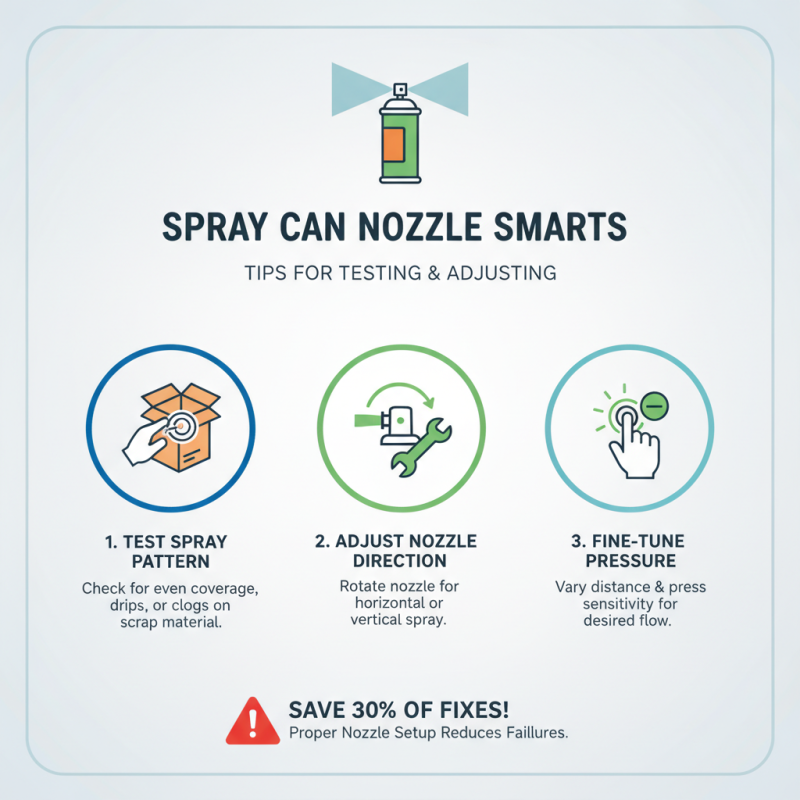
Tips for Testing and Adjusting Spray Can Nozzles
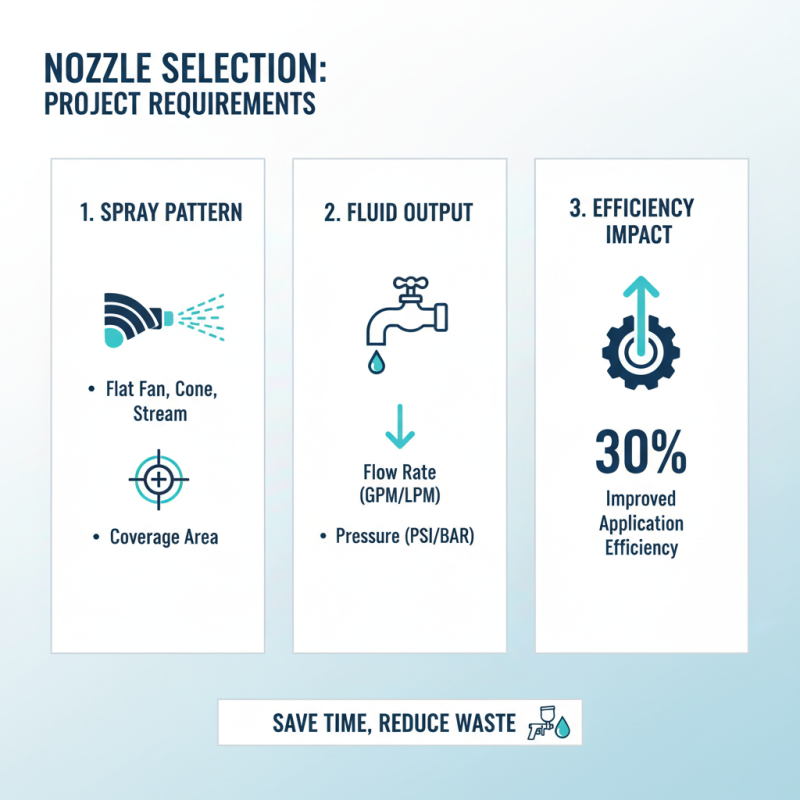
Choosing the right spray can nozzle requires careful testing and adjustments. A well-fitted nozzle can enhance precision. Mishaps occur when users neglect to test nozzles before use. According to industry reports, nearly 30% of spray application failures arise from inadequate nozzle selection or adjustment.
Begin by experimenting with different nozzle types. Spray width and pattern vary significantly across nozzles. Some produce fine mists, while others provide a focused stream. Adjust your distance from the surface during testing; this can impact the final application. A common mistake is using the same distance for all projects. Observe how the spray interacts with your material.
Additionally, consider the fluid's viscosity. Thicker substances may require a specialized nozzle. Industry insights reveal that viscosity can alter spray patterns by over 40%. After adjusting the nozzle, monitor your results closely. Are there areas of inconsistency? Misalignments can lead to overspray or underapplying. Document your findings for future reference, but be ready to reassess your choices. Understanding the nuances in your materials and environment is key to achieving optimal results.