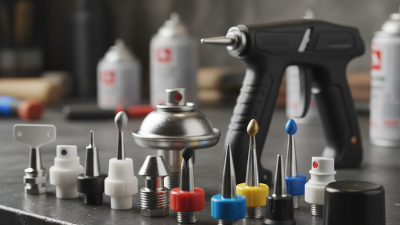
Top 10 Spray Coating Equipment for Global Buyers?
The global demand for Spray Coating Equipment has surged, driven by advancements in industrial applications. According to a recent market analysis report, the industry is projected to grow at a compound annual growth rate (CAGR) of 5.2% over the next five years. This growth is fueled by increasing automation and the rise of environmentally friendly coatings.
The effectiveness of spray coating in achieving uniformity and efficiency cannot be overstated. Industries ranging from automotive to aerospace rely heavily on this technology. In 2022, the aerospace sector alone accounted for 20% of total spray coating equipment usage. However, not all equipment meets industry standards, leading to potential inefficiencies and wasted resources.
Buyers must consider various factors when selecting spray coating equipment. Compatibility with different materials and ease of use are crucial. In addition, equipment that requires frequent maintenance can be a drawback. A well-informed choice can lead to improved productivity and cost savings. Thus, understanding the diverse options available is essential for any buyer in this market.

Top Spray Coating Equipment Brands: A Global Market Overview
The global market for spray coating equipment is rapidly evolving. Various brands have stepped up to meet the diverse needs of industries. This equipment is crucial in many fields, including automotive, aerospace, and construction. Each brand offers unique features and advantages, making it essential for buyers to evaluate their options thoroughly.
Quality and performance are key considerations in spray coating technologies. Many brands emphasize user-friendly designs and efficient application processes. However, maintaining equipment can be a challenge. Regular maintenance is necessary to ensure optimal performance. Buyers should also account for the availability of spare parts and technical support. This factor can significantly affect long-term satisfaction with the equipment.
Innovation in spray coating technology is ongoing. Advanced features like automated systems and eco-friendly materials are increasingly available. However, integrating these technologies can be complex. It's important for buyers to understand their specific requirements. Researching and comparing different brands will lead to better-informed decisions. Understanding the market landscape is vital for achieving successful outcomes in coated products.
Key Features and Innovations in Spray Coating Technology for 2023
In 2023, spray coating technology has seen remarkable innovations. These advancements significantly improve efficiency and effectiveness for various applications. Industry reports indicate that the global spray coating market is projected to grow at a CAGR of 5.5% from 2023 to 2030. This growth reflects the rising demand for sustainable and efficient coating solutions across multiple sectors.
Key features to look for include advanced nozzle designs and precision control mechanisms. These innovations allow for better material atomization and reduced overspray. Furthermore, equipment with integrated monitoring systems enhances real-time performance tracking. Such features contribute to a marked increase in material utilization, minimizing waste.
However, the industry faces challenges. Many users still encounter difficulties with equipment calibration. Inconsistent results can arise from improper setup or user error. Continuous training and adherence to best practices remain vital for achieving optimal results. As the technology matures, ongoing improvements in user education and support will be essential for maximizing the benefits of these advanced spray coating systems.
Top 10 Spray Coating Equipment for Global Buyers
| Model |
Application |
Coating Type |
Max Pressure (bar) |
Key Features |
Innovation |
| Model A |
Automotive |
Polyurethane |
200 |
High precision nozzle |
Smart Control System |
| Model B |
Industrial |
Epoxy |
150 |
Rapid application |
Automated Wand Control |
| Model C |
Construction |
Acrylic |
180 |
Portable design |
Eco-friendly Options |
| Model D |
Marine |
Gel Coat |
220 |
High flow rate |
Integrated Heating System |
| Model E |
Electronics |
Silicone |
120 |
Fine mist application |
Smart Sensor Technology |
| Model F |
Textiles |
Waterproof |
160 |
User-friendly interface |
Digital Display |
| Model G |
Furniture |
Lacquer |
140 |
Sustainable materials |
Low-Voc Options |
| Model H |
Aerospace |
Ceramic |
250 |
High heat resistance |
Adaptive Coating Technologies |
| Model I |
Medical |
Antimicrobial |
100 |
Precision dosage |
Nanotechnology Integration |
| Model J |
Packaging |
Barrier Coating |
130 |
Fast drying |
Energy Saving Features |
Market Trends and Demand Drivers for Spray Coating Equipment Worldwide
The demand for spray coating equipment is rising globally. Industries like automotive, aerospace, and construction are driving this trend. These sectors require advanced coating solutions for durability and aesthetics. The growing need for sustainable practices also influences this market. Eco-friendly spray coatings are gaining attention. They reduce emissions and improve efficiency, aligning with environmental regulations.
Market trends show increasing automation in spray coating processes. Automation enhances precision and consistency, meeting high-quality standards. However, smaller enterprises may struggle with investment. Balancing cost and technology is a challenge. There's a learning curve associated with new equipment. Training staff can add to initial costs but is essential for effectiveness.
Another aspect is the diversification of coating materials. Different applications require specific formulas for optimal results. Buyers face the complexity of choosing the right equipment. This decision impacts production efficiency. Moreover, supply chain disruptions can affect equipment availability. Potential buyers must remain adaptable and informed about market fluctuations. Understanding these elements is key in navigating the spray coating landscape.
Comparative Analysis of Spray Coating Equipment: Performance Metrics
Spray coating equipment plays a crucial role in various industries, from automotive to aerospace. Understanding performance metrics can help buyers make informed decisions. Key metrics include application efficiency, coating uniformity, and material utilization. A recent industry report indicates that application efficiency can range from 50% to 80%, heavily influenced by the technology used.
Coating uniformity is vital for ensuring durability and aesthetics. In a comparative analysis of different equipment, uniformity ratings varied widely. Some systems achieved a consistency rating of over 90%, while others struggled to surpass 70%. This inconsistency can lead to waste and increased operational costs. Additionally, material utilization rates often dip below 60%, raising concerns about sustainability and resource allocation.
Cost-effectiveness is another important consideration. Many manufacturers face the challenge of balancing upfront costs with long-term savings. While advanced systems may require a higher initial investment, they often lead to lower maintenance costs. However, not all users realize the potential return on investment. That discrepancy highlights the need for thorough evaluation before purchasing any spray coating equipment.
Top 10 Spray Coating Equipment Performance Metrics
Regional Insights: Spray Coating Equipment Sales and Market Growth Rates
As the global market for spray coating equipment continues to evolve, understanding regional insights is crucial. In several areas, there has been notable growth in sales rates. Key regions, including North America and Asia-Pacific, are leading this trend. High demand in sectors like automotive and construction drives this surge. New technologies and applications are emerging, but challenges in supply chain logistics remain.
In some regions, market growth is hindered by economic fluctuations. For instance, Europe shows mixed results based on industrial activity. While some countries invest heavily in modernization, others lag behind. Differences in regulations and standards can influence the adoption of new spray coating technologies. Buyers need to consider these regional disparities as they make informed purchasing decisions.
Furthermore, as environmental regulations tighten, companies adapt more eco-friendly solutions. This push towards sustainability is reshaping market dynamics. However, adaptation takes time. Many businesses grapple with integrating these new practices while maintaining productivity. These nuances are essential for global buyers to contemplate as they navigate the spray coating equipment landscape.