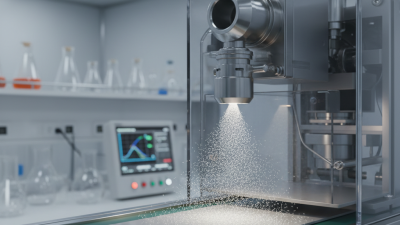
How to Choose the Best Ultrasonic Spray Coater for Your Needs?
Choosing the right Ultrasonic Spray Coater can significantly influence your project's success. According to Dr. Alex Thompson, an expert in advanced coating technologies, "The precision of an Ultrasonic Spray Coater determines the quality of your final product." His insights highlight the importance of making an informed choice.
When evaluating Ultrasonic Spray Coaters, consider factors like droplet size, coating uniformity, and material compatibility. Each brand offers unique features that may suit different applications. Finding the right coater can be challenging. You might get overwhelmed by the options available. Identifying what specifically meets your needs is crucial to achieving optimal results.
Moreover, not every Ultrasonic Spray Coater is perfect for every job. You might need to assess your production scale and desired finishes. Be cautious about overspending on features you might not use. Research and consultation can guide you toward the most reliable choice.
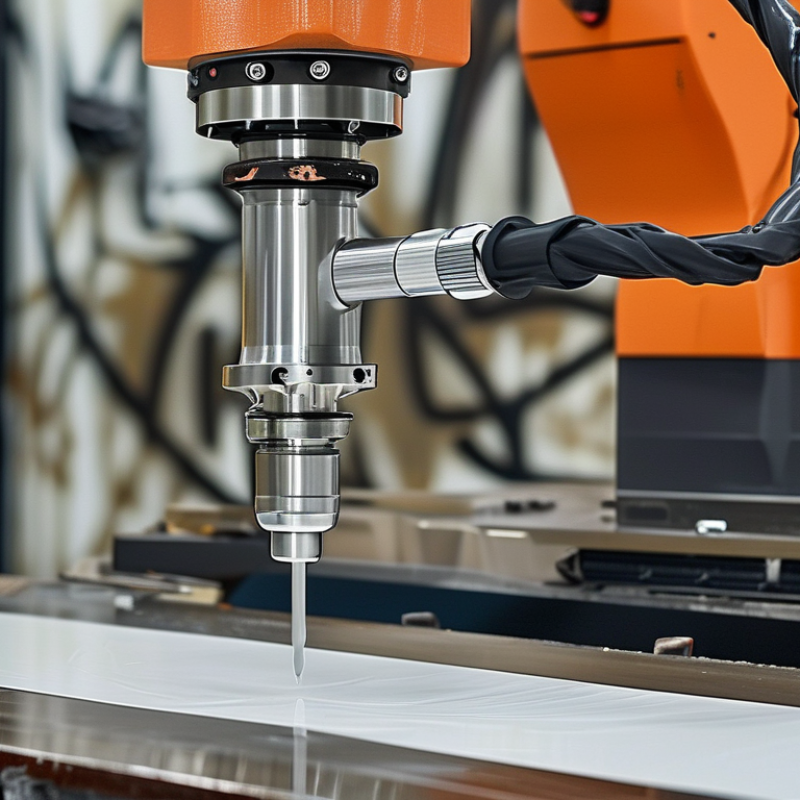
Understanding Ultrasonic Spray Coaters and Their Applications
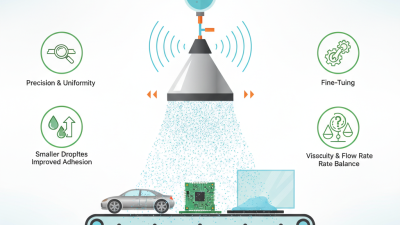
Ultrasonic spray coaters are advanced tools used in various industries. They leverage ultrasonic technology to produce fine sprays. This feature allows for even coating of surfaces, enhancing quality and precision. Their design can significantly reduce material waste, promoting sustainability. The main applications include electronic components, pharmaceuticals, and automotive coatings. Industries appreciate their ability to apply coatings evenly and efficiently.
Selecting the right ultrasonic spray coater involves understanding your specific needs. Different models have varying spray patterns and frequencies. Some might suit delicate items, while others handle robust materials. Users often find it challenging to choose based on these factors. A poorly suited coater can lead to subpar finishes or excess wastage. It’s crucial to consider the viscosity of the coating materials as well.
Another critical aspect is maintenance. Ultrasonic spray coaters require regular cleaning to function optimally. Neglecting maintenance can lead to clogging or inconsistencies in spray quality. Users might overlook this, leading to frustration later. Testing various models can help ensure the right fit. Engaging with peers in the industry can offer insights too. Sharing experiences facilitates better decision-making.
How to Choose the Best Ultrasonic Spray Coater for Your Needs?
| Model |
Max Output Rate (ml/hr) |
Nozzle Size (mm) |
Applications |
Price Range (USD) |
| Model A |
300 |
0.5 |
Automotive Coatings |
800 - 1,200 |
| Model B |
500 |
0.7 |
Electronics |
1,000 - 1,500 |
| Model C |
250 |
0.3 |
Medical Devices |
600 - 900 |
| Model D |
750 |
1.0 |
Aerospace |
1,500 - 2,500 |
| Model E |
1000 |
1.5 |
Consumer Products |
1,200 - 1,800 |
Key Features to Consider When Selecting an Ultrasonic Spray Coater
When selecting an ultrasonic spray coater, several key features should guide your decision. A critical factor is the atomization technology. Choose one that offers fine control over droplet size. This ensures a uniform coating on various surfaces. Look for models that adjust easily to different viscosities. Versatility is essential for diverse applications.
Another important feature is the ease of use. An intuitive interface can save time and reduce errors. Check if the machine provides clear documentation and support. The learning curve shouldn’t be steep. Additionally, consider the maintenance requirements. Regular upkeep is necessary for optimal performance. Models that are easy to clean will minimize downtime.
Tips: Always assess the size and weight of the system. Ensure it fits comfortably in your workspace. Preview customer reviews for insights on reliability. Transparency from users provides valuable information. Lastly, think about your budget but don’t compromise on quality. Sometimes, a higher initial investment may lead to long-term savings. Making an informed choice is essential for efficient coating processes.
Evaluating the Performance and Efficiency of Ultrasonic Spray Coaters
When evaluating the performance and efficiency of ultrasonic spray coaters, several key factors come into play. The droplet size produced by the coater directly affects coating uniformity and material usage. Reports indicate that optimal droplet sizes typically range between 10 to 50 microns for most applications. Coaters achieving consistent droplet sizes within this range demonstrate a marked improvement in film thickness uniformity. This directly correlates to a reduction in material wastage and boosts overall operational efficiency.
Furthermore, the energy efficiency of ultrasonic spray coaters cannot be overlooked. Data suggests that advanced models can operate with an efficiency of up to 95%, significantly reducing energy consumption compared to traditional spray systems. However, some designs still fall short, consuming excess energy during operation, highlighting the need for careful evaluation. It's crucial to examine not just the initial performance metrics but also long-term operational costs associated with energy use and maintenance requirements.
Another critical aspect is the versatility of application. Different ultrasonic spray coaters accommodate various viscosities and fluid types. While many handle water-based solutions adeptly, not all perform equally well with viscous or specialized liquids. This can lead to inconsistent application results, necessitating an in-depth assessment of the specific materials you plan to use. Each coater offers its own strengths and weaknesses, underscoring the importance of aligning equipment capabilities with specific operational needs.
Budgeting for Your Ultrasonic Spray Coater: Costs and Value Analysis
When budgeting for an ultrasonic spray coater, understanding costs versus value is vital. The price of these machines can vary widely, typically ranging from $10,000 to over $100,000. This difference often stems from the technology used, features offered, and overall build quality. A comprehensive analysis reveals that high-end machines often provide better control over droplet size and spray patterns, which can lead to improved product quality.
Investing in a higher-quality coater may seem costly initially, but the long-term benefits can offset the upfront expenses. Industry studies show that companies using advanced ultrasonic spray coaters have seen up to a 30% reduction in material waste. This alone can justify a larger investment. However, businesses must assess their specific needs. For smaller operations, a more affordable model may suffice, even if it offers less precision.
Many users experience friction in decision-making. They weigh immediate costs against potential savings in the future. The prospect of miscalculating needs can lead to purchasing machines that are either too advanced or inadequate. Detailed assessments of production requirements can mitigate such challenges, ensuring the chosen machine aligns with operational goals. Balancing overall expenditure with expected gains is crucial for a successful investment.
Comparing Leading Brands and Models of Ultrasonic Spray Coaters
When selecting an ultrasonic spray coater, it's vital to evaluate various brands and models based on their features and performance. Leading industry reports indicate that more than 65% of users prioritize precision in coating applications. A reliable coater must deliver consistent droplet sizes, ranging from 10 to 50 microns, to achieve uniformity across various substrates. Inconsistent droplet sizes may lead to uneven surfaces, affecting the final product's quality and efficiency.
Different brands may offer unique functionalities. For instance, some models support advanced programmable settings, allowing adjustments for flow rates and spray angles. This versatility is crucial for applications needing specific coating thicknesses. However, a deeper dive into customer reviews reveals that users often face challenges with the initial setup and calibration processes. These experiences highlight the importance of considering how user-friendly a machine is before making a purchase.
It's essential to weigh the pros and cons of each model through hands-on testing whenever possible. While some coatings may perform excellently in lab conditions, real-world applications often reveal discrepancies. Additionally, industry experts note that maintenance plays a significant role in long-term performance. Regular cleaning and part replacements can be overlooked, leading to increased downtime. Balancing performance with ease of maintenance is critical when choosing the best ultrasonic spray coater for your needs.