10 Tips for Choosing the Best Lens Coating Machine
Selecting the right Lens Coating Machine affects coating quality, production speed, and long-term operating costs. A reliable choice begins with more than a supplier’s brochure. It requires practical evaluation of optical requirements, lens materials, facility conditions, and operator skills. Small details matter.
This guide presents ten practical tips for comparing machines with greater confidence. It considers coating uniformity, vacuum performance, chamber size, automation, maintenance access, and energy use. It also examines technical support, spare parts, training, and total ownership costs. A machine may appear affordable, yet frequent downtime can change the calculation quickly. Ask for sample results. Inspect the coating surface under controlled lighting. Check whether the system handles your actual lens range, not only demonstration pieces.
Real production experience often reveals weaknesses that specifications hide. Some machines offer impressive speed but require demanding maintenance routines. Others provide excellent repeatability but need more floor space than expected. Neither option is automatically best. Measure your workflow carefully. Be honest about your limitations. An overlooked issue, such as unstable room temperature or insufficient power capacity, can affect performance. The following tips are designed to support a balanced decision based on evidence, measurable requirements, and realistic expectations. They are not a substitute for testing. Even experienced buyers can misjudge a machine when they focus too heavily on price, speed, or appearance. Careful comparison creates a stronger foundation for dependable lens coating operations.
Define Your Lens Coating Requirements and Production Goals
Choosing the best lens coating machine starts with defining the job, not browsing equipment brochures. List lens materials, diameters, curvature ranges, and coating functions required for your products. Anti-reflective, scratch-resistant, hydrophobic, and tinted layers may demand different process controls. Record target film thickness and acceptable variation in nanometers. Small errors can affect transmission, color, and visual comfort. Discuss these limits with process engineers before selecting chamber size or automation.
Production goals should be measurable. Set daily volume, batch size, changeover time, uptime, and staffing assumptions. A machine rated for high output may perform poorly with frequent product changes. Ask how loading fixtures protect lens edges and prevent dust during vacuum cycles. Review chamber uniformity, pump capacity, temperature stability, and endpoint monitoring. Request trial data using materials and shapes close to your own. Photographs are useful, but measured results are stronger.
Build quality checks into the requirement sheet. Include spectrophotometer readings, adhesion tests, abrasion checks, and inspection frequency. Traceable calibration records and clear maintenance procedures support reliable production. Operator training also matters, especially during cleaning and recipe changes. Some requirements will remain uncertain. Record that uncertainty instead of hiding it. Energy use, rejected lenses, and unplanned downtime can change the real cost significantly. Service access is easy to overlook; cramped panels can turn routine maintenance into lost hours.
10 Tips for Choosing the Best Lens Coating Machine
Define your lens coating requirements and production goals before comparing machine specifications.
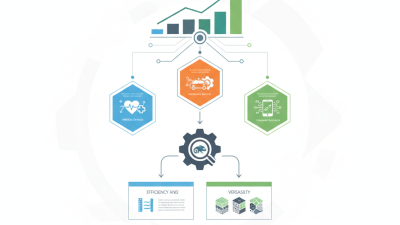
This chart presents an example 100-point planning model for a lens coating machine specification. Optical performance, throughput, and process repeatability receive the highest priority because they directly influence coating quality, production capacity, and batch-to-batch consistency. Adjust the weighting to match your lens materials, coating stack, target wavelength range, batch size, and quality requirements.
Compare Coating Technologies, Materials, and Machine Compatibility
Choosing the best lens coating machine starts with the coating technology, not the machine price.
Vacuum deposition suits precise multilayer anti-reflective coatings. Dip coating can support simpler polymer or hard-coat processes. Spray systems may offer flexibility for small batches, but they often demand tighter control of droplets and room conditions.
Compare material compatibility carefully.
Ask whether the chamber handles oxide targets, polymer solutions, or moisture-sensitive compounds. Check substrate heating limits for glass, polycarbonate, and high-index lenses. A useful machine should control temperature, pressure, rotation speed, and deposition rate. Small differences can change color, adhesion, and surface durability. Measure coating thickness with calibrated equipment. Inspect samples under angled light. Tiny defects become visible there.
Machine compatibility also includes workflow details.
Confirm lens holders match your shapes and diameters. Review cleaning stages, vacuum recovery time, software records, and maintenance access. Request test runs using your actual lens material. A polished demonstration sample proves little. In hands-on evaluations, I would test edge coverage, batch consistency, and abrasion resistance across repeated cycles. Keep spare sensors and seals available. Downtime is expensive. Never ignore operator training. Even advanced automation cannot correct poor cleaning or incorrect loading. A perfect machine rarely exists. Earlier assumptions about speed can fail when rework rises. Leave room for adjustment, because your preferred material or coating stack may change later.
Check Equipment Quality, Maintenance Needs, Safety, and Energy Use
A lens coating machine should produce even layers across every lens surface.
Inspect sample results under strong light, not only on a supplier’s screen. Check coating thickness, edge coverage, and surface defects. Ask for test records and calibration details. A reliable machine should also have stable temperature and vacuum control. Small variations can affect color, adhesion, and product consistency.
Tip: Request a live demonstration with your own lens materials.
Maintenance needs can decide long-term value.
Examine access to chambers, pumps, filters, and electrical panels. Parts should be easy to inspect and replace. Clear maintenance schedules are essential. Complicated systems may look impressive, but they can increase downtime. From practical experience, neglected cleaning often causes coating defects before major failures appear. I once underestimated filter replacement time. That mistake disrupted production planning.
Safety deserves direct attention.
Look for guarded moving parts, emergency controls, ventilation, and clear operating instructions. Staff should receive practical training, not only a manual.
Energy use also affects operating costs. Compare heating demand, pump efficiency, standby consumption, and cycle times. Ask for measured data under normal workloads. Estimated figures can be too optimistic.
Tip: Track energy use during a full week before approving the purchase.
A machine with lower output may waste more energy per coated lens. Also consider noise, heat, and workspace comfort. These details are easy to overlook.
Assess Supplier Support, Total Cost, and Long-Term Value
Choosing a lens coating machine requires more than comparing purchase prices. Supplier support often determines whether production stays stable after installation. Ask for operator training, process documentation, remote diagnostics, and realistic response times. Request references from facilities with similar lens materials, batch sizes, and coating targets. Experienced suppliers should explain chamber cleaning, vacuum stability, fixture care, and calibration routines clearly. Good support is visible on the factory floor. During evaluation, inspect sample reports and service procedures. Can technicians identify coating defects from a process log? That question matters.
Calculate total cost over several years, not only the quoted machine price. Include utilities, consumables, preventive maintenance, spare parts, software updates, rejected lenses, and technician travel. A low-cost system may become expensive when a pump seal or sensor causes repeated downtime. Ask how quickly critical parts can ship and whether compatible alternatives are documented. Check warranty limits carefully. Some promises sound broad but exclude labor, vacuum components, or process failures. Long-term value also depends on upgrade paths. Can the machine support new lens materials, tighter thickness tolerances, or higher throughput later? Measurable evidence helps: uptime records, coating uniformity data, energy use per batch, and defect rates. Still, no forecast is perfect. Production conditions change. Leave room for uncertainty, and test a representative batch before signing. The best choice balances technical performance, dependable support, and costs the finance team can verify.