Top Lens Coating Machine Features and Benefits for Optics Industry?
In the optics industry, the Lens Coating Machine plays a crucial role. Its features and benefits shape how lenses are manufactured and treated. Advanced coatings improve lens performance and ensure durability. Many manufacturers seek the best machinery to enhance their product quality.
Selecting the right Lens Coating Machine can be challenging. The options available may vary widely in technology and efficiency. Some machines promise high-speed production, while others focus on precision. It’s essential to evaluate how each machine aligns with specific production needs.
Understanding the capabilities of these machines is vital. They not only apply coatings but also impact the overall manufacturing process. It's beneficial to research and analyze different models. This step can lead to improved output and reduced waste. Optimizing the lens coating procedure can significantly enhance product reliability.
Key Features of Lens Coating Machines in the Optics Industry
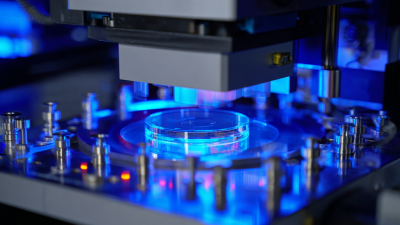
In the optics industry, lens coating machines are critical for enhancing lens performance. Their primary features include advanced vacuum technology, which ensures precise coating application. According to a recent market analysis report, 45% of manufacturers prioritize vacuum systems for their efficiency and effectiveness. These systems minimize impurities during the coating process, leading to superior quality control.
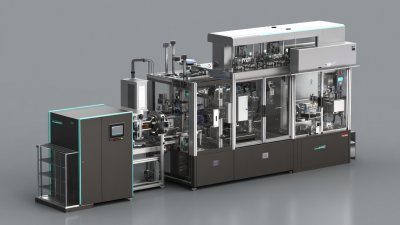
Another key feature is the automation level in these machines. Automating the lens coating process reduces human error and increases production speed. Data indicates that automated systems can enhance output by up to 30% while maintaining consistent quality. This is instrumental in meeting rising consumer demand for high-performance eyewear and optical devices.
However, the sophistication of these machines can also pose challenges. The learning curve for operation and maintenance requires skilled personnel, which may not always be available. Manufacturers need to invest in training to fully realize the benefits of these advanced systems. Balancing innovation with practical knowledge remains a critical issue in the industry. Understanding these features helps stakeholders make informed decisions and improve overall productivity.
Benefits of Advanced Coating Technologies for Optical Products
Advanced coating technologies have revolutionized the optics industry. These innovations enhance durability and performance, significantly impacting product quality. High-quality coatings can improve transmission rates and reduce reflections. This leads to clearer images and brighter visuals. Manufacturers now prioritize these advanced features to stay competitive. They are crucial for lenses in various applications, from eyewear to high-tech instrumentation.
The benefits of these technologies extend beyond performance. They also improve environmental resistance against scratches and chemicals. Optics that are easier to maintain are more appealing to consumers. However, the complexity of these coatings can pose challenges in production. Achieving optimal thickness and uniform application is not always straightforward. This creates room for improvement in manufacturing processes.
Ultimately, advanced coating technologies reflect the industry's commitment to excellence. The ongoing quest for better solutions drives innovation. While strides have been made, there remains a need for systematic evaluation. Continuous improvement is vital for addressing existing gaps. Each development opens a dialogue about future possibilities in optical product manufacturing.
Top Lens Coating Technologies: Features and Benefits
Comparative Analysis of Different Lens Coating Processes
In the optics industry, lens coating processes vary significantly, each offering unique advantages. Physical Vapor Deposition (PVD) is widely recognized for its durability. This method creates thin, hard coatings that enhance scratch resistance. It’s often used in high-end eyewear and camera lenses. However, PVD can be costly and requires precise temperature control during application.
On the other hand, Chemical Vapor Deposition (CVD) produces coatings with excellent uniformity. This process allows for the deposition of complex multi-layer coatings. CVD is particularly useful for achieving specialized optical properties. Yet, its setup can be complex, and it demands stringent safety measures due to volatile chemicals.
While each coating process has its strengths, challenges persist in optimization. Manufacturers must balance cost, quality, and production efficiency. Continuous advancements in coating technology are worth exploring, as they promise better performance and lower environmental impact. A thorough understanding of these processes aids companies in making informed decisions for their specific needs.
Top Lens Coating Machine Features and Benefits for Optics Industry
| Feature |
Benefit |
Process Type |
Typical Applications |
| Automatic Control |
Increases precision and reduces human error |
PVD (Physical Vapor Deposition) |
Eyeglasses, Camera Lenses |
| Multi-Layer Coating |
Enhanced light transmission and durability |
CVD (Chemical Vapor Deposition) |
Optical Sensors, Binoculars |
| Clean Room Environment |
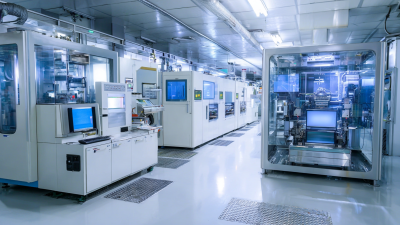
Minimizes contamination and defects |
Sputtering |
High-end Optical Components |
| High Throughput |
Increases production efficiency |
Ion Beam Sputtering |
Specialty Lenses, Medical Devices |
| User-Friendly Interface |
Facilitates easier operation and monitoring |
Sol-Gel Coating |
Consumer Glasses, Decorative Optics |
Impact of Lens Coating on Overall Optical Performance
The impact of lens coating on optical performance is significant. Coatings enhance light transmission, improve durability, and minimize reflections. According to a report by the Optical Society of America, properly coated lenses can achieve over 99% light transmission. This is crucial for applications requiring clarity and precision.
Lens coatings can also mitigate glare and enhance contrast. For example, anti-reflective coatings are vital in environments where glare is prevalent. Studies show that users can experience a 50% reduction in eyestrain with effective coatings. This not only improves user comfort but also elevates visual accuracy during critical tasks.
Tip: Regularly clean coated lenses with gentle solutions to maintain their effectiveness. Avoid using abrasive materials, as they can damage coatings.
Another point of consideration is the development of new coating technologies. Innovations, such as hydrophobic or oleophobic coatings, enhance the lens surface's resistance to water and oil. However, these advanced coatings may require specific care to ensure longevity. Users must remain informed about maintenance protocols for their lenses to fully benefit from the latest advancements.
Future Trends in Lens Coating Machine Innovations
The future of lens coating machine innovations in the optics industry is exciting.
Advanced materials are being developed to improve coating durability and performance.
These materials often enhance scratch resistance and minimize glare, which is crucial for end-user satisfaction.
Automation is another key trend. Enhanced automation can increase production efficiency.
However, the implementation can be complex. Integrating new technologies requires careful planning and training.
Companies are grappling with the balance between modernizing equipment and maintaining existing workflows.
Optics manufacturers are also exploring eco-friendly options. Sustainable practices are becoming more important in production processes.
This shift may lead to ambitious goals in reducing waste and energy consumption.
Yet, achieving these targets is challenging. It requires innovation and dedication to both quality and sustainability.