2026 Best Ultrasonic Dispersion Equipment for Optimal Results?
In the rapidly evolving field of material processing, the need for efficient and reliable Ultrasonic Dispersion Equipment has never been more pressing. According to a 2022 market report by ResearchAndMarkets, the ultrasonic dispersion market is projected to reach $570 million by 2026, driven by increasing demand across various industries—from pharmaceuticals to nanotechnology. These figures highlight the critical role that ultrasonic technology plays in achieving optimal dispersion and uniformity of materials.
Dr. Emily Chen, a leading expert in ultrasonic technology, states, “Precision in dispersion is crucial; it can make or break product quality.” Her insights emphasize how the right Ultrasonic Dispersion Equipment can enhance performance and ensure consistency. However, challenges remain. Many manufacturers struggle to find equipment that balances cost, efficiency, and flexibility. This highlights a gap in the market that requires deeper exploration and innovation.
As we look toward 2026, the choices in Ultrasonic Dispersion Equipment will be essential. Companies must carefully evaluate their options. The urgency for high-quality dispersion solutions is evident. This sector needs advancements, but also reflection on past endeavors. Overall, the future of ultrasonic dispersion technology holds promise, yet demands meticulous attention to evolving needs and challenges.
Overview of Ultrasonic Dispersion Technology
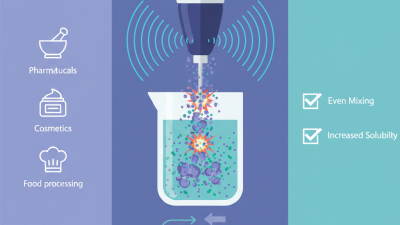
Ultrasonic dispersion technology is transforming various industries. It utilizes high-frequency sound waves to break down particles in liquids. This process enhances the mixing of materials, leading to improved product quality. Such applications can be found in pharmaceuticals, textiles, and food processing.
The equipment generates intense ultrasonic waves, creating microscopic bubbles. When these bubbles collapse, they produce powerful shock waves. This phenomenon promotes effective dispersion and uniformity. However, users often overlook the importance of optimizing parameters such as frequency and amplitude. Fine-tuning these settings can significantly affect outcomes.
Choosing the right ultrasonic device is crucial. Not every machine is suitable for all applications. Users must consider factors like sample type and volume. Some often underestimate the need for proper maintenance. Regular checks can prevent performance issues and extend equipment lifespan. Thus, understanding the nuances of this technology is vital for achieving optimal results.
Key Features to Look for in Dispersion Equipment
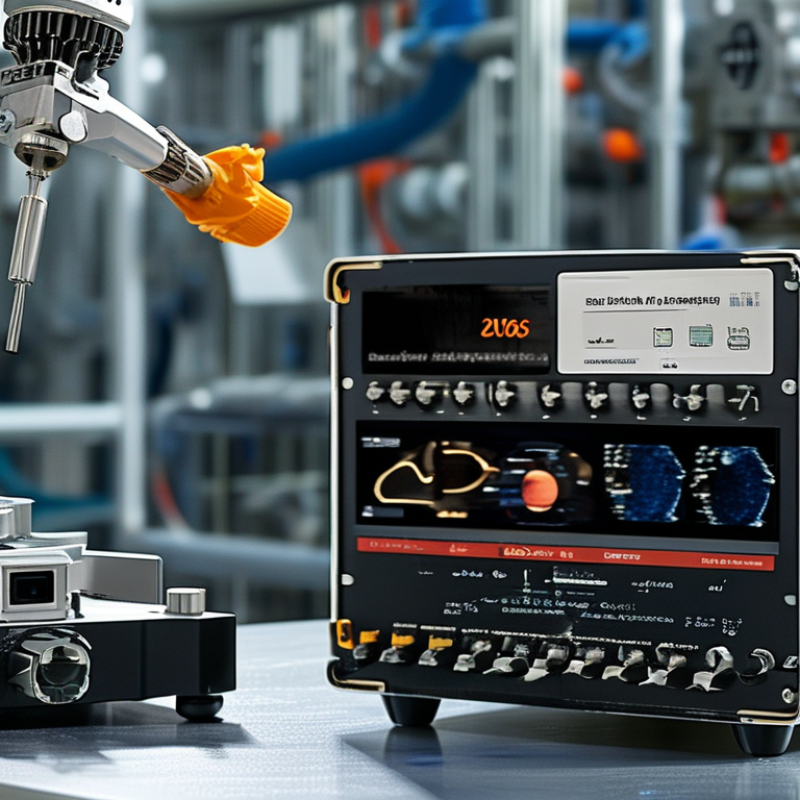
When selecting ultrasonic dispersion equipment, consider several key features. The power rating is crucial. Higher wattage results in greater energy output, improving dispersal efficiency. Additionally, frequency plays a significant role. Most effective equipment operates within the ultrasound range of 20 kHz to 40 kHz. This range ensures optimal cavitation and thorough mixing of materials.
Another important factor is the design of the probe or transducer. A well-designed transducer facilitates better energy transmission. Fatigue testing of these components is essential. It helps in understanding how they perform under continuous use. Look for models with adjustable amplitudes. This flexibility allows users to tailor the process to specific materials and desired results.
Moreover, ease of maintenance is a crucial aspect. Regular cleaning and part replacement should be manageable. Equipment size also matters; compact machines are more versatile but may limit power. It's worth reflecting on the trade-offs between size and performance before making a decision. Always ensure that the equipment has reliable support and documentation. This will assist in making informed choices long-term.
Top Brands and Models for Ultrasonic Dispersion in 2026
In 2026, ultrasonic dispersion equipment is evolving rapidly. Many factors impact the selection of the best models. User needs, operational efficiency, and budget considerations play crucial roles. The market features a variety of devices tailored for different applications.
When considering brands and models, focus on specifications. Power output, frequency range, and processing capabilities matter. A unit with higher power often delivers quicker results. However, some high-power devices can be challenging to control. It's essential to find a balance between power and ease of use.
**Tips:** Evaluate the warranty and support offered. A reliable warranty indicates confidence from the manufacturer. Additionally, user reviews provide insights into real-world performance. Look for models that demonstrate consistent results across various applications. This practice can save you time and improve efficiency in your projects.
2026 Best Ultrasonic Dispersion Equipment Performance Comparison
Applications of Ultrasonic Dispersion in Various Industries
Ultrasonic dispersion technology is making waves in various industries. Its effectiveness in breaking down particles creates uniform mixtures. This process is critical in fields like pharmaceuticals, chemicals, and food production. With precise control over particle size, companies can enhance product quality and consistency. The application of ultrasonic dispersion leads to improved bioavailability in drugs and better flavor distribution in food products.
Tips: Always consider the material composition before starting the dispersion process. Certain materials respond better to ultrasonication. Experimenting with different frequencies can yield surprising results. It's essential to monitor temperature, as excessive heat can alter product characteristics.
In the cosmetic industry, ultrasonic dispersion helps mix oils and water-based ingredients effectively. This results in stable emulsions, enhancing product shelf life. Adopt a systematic approach to testing dispersion times. Different formulations may require adjustments in treatment duration. Regularly reviewing results can refine the process, ensuring optimal outcomes across applications. Ultrasonic dispersion not only optimizes efficiency but can also save costs in production.
Maintenance Tips for Optimal Performance of Dispersion Equipment
Proper maintenance of ultrasonic dispersion equipment is crucial for optimal performance and longevity. Regular inspections should include checking the transducer and sonotrode for wear. Signs of damage, like scratches or corrosion, can affect dispersion efficiency. Reports indicate that routine maintenance can increase equipment lifespan by up to 30%.
Calibration of the device is essential in ensuring accurate performance. Even minor deviations can lead to inconsistent results in particle size distribution. It’s advisable to recalibrate every few months, or after significant operational changes. Data has shown that neglecting calibration can result in up to 25% decrease in dispersion quality.
Cleanliness plays a significant part in equipment functionality. Residual materials can build up and interfere with ultrasonic waves. Using appropriate cleaning solutions is key, as common cleaning agents may cause corrosion. To prevent potential issues, operators should regularly inspect and clean all contact surfaces. It’s this attention to detail in maintenance that distinguishes optimal equipment operation from subpar performance.