Leave Your Message

2026 Top Stent Coating Machine Manufacturers

Stent coating machines support a demanding step in medical-device manufacturing: applying a controlled layer to a small, delicate structure. The process may involve spray, dip, or other application methods, depending on the coating material and device design. Tiny changes in flow, positioning, drying, or rotation can affect coverage. Details matter.

This 2026 overview examines manufacturers through practical criteria, including process control, equipment configuration, documentation, service support, and customization options. A capable Stent Coating Machine should suit the intended production scale and work reliably with the chosen materials and stent geometry. Buyers may also assess cleaning access, operator training, data recording, and the supplier’s ability to support installation and process development. These points are more useful than a broad performance claim alone.

Manufacturer comparisons still have limits. A specification sheet rarely shows the full picture, and published capabilities may not match every application. Ask how coating uniformity is evaluated, what trials are available, and which operating conditions the supplier has actually tested. Request clear answers about maintenance intervals and technical support, too. No machine removes the need for qualified process development and appropriate quality controls. The right choice depends on evidence, not just a polished brochure. Some requirements only become clear during evaluation; that is worth acknowledging. This guide offers a grounded starting point for comparing suppliers and identifying questions to resolve before selection.

2026 Top Stent Coating Machine Manufacturers

Stent Coating Machines: Purpose, Components, and Operating Principles

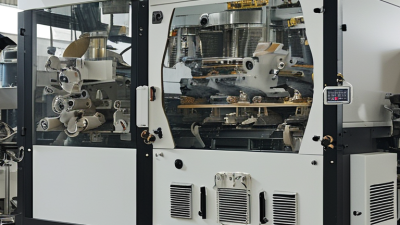
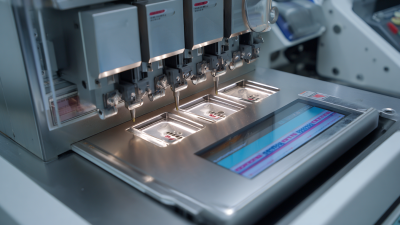
Stent coating machines apply a controlled layer to a small, delicate metal scaffold. The coating may support a device’s intended performance, so coverage and consistency matter. Uniformity matters. A typical system includes a stent fixture, a dispensing or spray head, a motion stage, and a controlled drying area. Sensors and software help regulate movement, flow, temperature, and timing. The fixture must hold the stent securely without masking surfaces that need coating.

During operation, the stent may rotate while the coating head moves along its length. A measured amount of material is applied in one or more passes. Airflow and drying conditions then help the layer set. Small changes in distance, viscosity, or rotation speed can affect the finish. Operators therefore monitor process settings and inspect representative parts for coverage, defects, and thickness. Some machines use automated recipes, but automation does not remove the need for careful setup. A blocked nozzle or loose fixture can still disrupt a run.

Reliable equipment also needs documented cleaning, calibration, and maintenance routines. Validation should reflect the actual product and process, not just a machine’s advertised capabilities. No setup is perfect on the first pass. That is worth remembering. Fine-tuning may take repeated trials, and visual inspection alone may not reveal every variation. Teams should select measurement methods suited to the coating and device, then record results consistently.

Major Coating Technologies Used in Stent Manufacturing

Stent coatings must remain thin, uniform, and intact as a device expands. Spray coating is widely used because operators can control droplet size, spray paths, and deposited volume. It suits intricate stent patterns, but poorly tuned settings may leave thin spots near crowns or edges. Dip coating offers simple, continuous coverage. Yet liquid can collect between struts, creating uneven thickness after drying. Small details matter.

Tips: Check coating under magnification at bends and connector points. Track solution viscosity, drying time, and coating weight between batches. A clean-looking surface is not proof of uniform coverage.

Layer-by-layer coating builds films through repeated deposition steps, allowing close control over multiple layers. It can be useful when release behavior or surface function needs careful adjustment, though extra steps increase process complexity. Plasma treatment may prepare a surface for better adhesion, but it does not replace the coating process itself. Testing should examine thickness, adhesion, and coating integrity after simulated expansion. Results depend on the stent material, coating formulation, and process settings, so published performance cannot automatically predict a new design. Even a stable recipe can drift. That is an uncomfortable point, but routine measurement is more reliable than operator confidence alone.

How to Evaluate Stent Coating Machine Manufacturers in 2026

Choosing a stent coating machine manufacturer in 2026 starts with the actual coating process, not the catalog. Ask how the system controls spray distance, rotation speed, solution flow, and drying conditions. These variables affect layer consistency on small, curved metal surfaces. Request sample-run data from representative stents, including coating-thickness measurements and documented inspection methods. Look for repeatability across multiple runs, not one polished demonstration. Details matter.

A capable supplier should explain how recipes are controlled, changes recorded, and alarms handled. Review equipment qualification support, calibration records, material-contact documentation, and operator training. Ask to see cleaning steps between batches; residue around a nozzle can quietly affect later results. Confirm whether the machine suits your intended stent geometry and coating formulation, then define acceptance criteria before purchase. A smooth factory demonstration is not enough.

Service matters after installation. Check response times, spare-part availability, software support, and the practical distance between technicians and your site. Talk with engineering and quality staff who will use the equipment daily, not only procurement. Request a factory acceptance test using agreed test pieces, followed by a site acceptance plan. No checklist removes uncertainty. I would still budget time for tuning: early production data may reveal gaps between the planned setup and routine operation.

2026 Top Stent Coating Machine Manufacturers - How to Evaluate Stent Coating Machine Manufacturers in 2026

Evaluation framework: Compare suppliers against your stent design, coating formulation, process requirements, and applicable regulations. The weights below are suggested procurement weights—not a ranking or verified performance data for any specific manufacturer.

Evaluation dimension Suggested weight What to evaluate Evidence to request Practical evaluation method
Coating-process capability 20% Suitability of the machine’s coating method and controls for the intended coating formulation, stent geometry, and production process. Assess whether the system supports the process steps you need, such as spraying, drying, or curing. Process description; equipment configuration; test results using representative parts and, where appropriate, the intended coating materials. Run a documented trial using representative stents and predefined acceptance criteria. Do not rely on demonstrations using unrelated products.
Coating quality and repeatability 20% Ability to produce coating characteristics that meet your product specifications, including coverage, thickness distribution, adhesion, and defect limits. Acceptance limits depend on the device and its validated process. Measurement methods; sample inspection records; repeat-run data; descriptions of how coating defects are detected and recorded. Agree in advance on sampling, measurement locations, test methods, and pass/fail limits. Compare results across multiple runs and operators where relevant.
Process control and documentation 15% Availability of recipe control, parameter monitoring, alarms, audit trails, user access controls, and batch or run records appropriate to the intended use. Control-system specifications; example records; alarm and access-control descriptions; software change and backup procedures. Trace a test run from setup through completion and verify that critical process parameters and changes can be retrieved and reviewed.
Validation and quality-system support 15% Supplier support for installation, operational, and performance qualification activities, plus clear documentation of equipment functions and limits. Validation responsibilities should be agreed between supplier and purchaser. Qualification templates or protocols; calibration information; equipment manuals; change-control and deviation-handling procedures. Review a sample qualification package and confirm it can support your site’s quality procedures and product-specific process validation.
Regulatory and standards readiness 10% Whether the supplier’s quality and documentation practices support the purchaser’s applicable regulatory obligations. Requirements depend on markets, device classification, and intended use. Relevant quality-system documentation; equipment risk information; materials and component documentation; a clear statement of applicable standards and scope. Have your quality and regulatory teams assess the evidence. For the United States, verify current requirements, including the FDA Quality Management System Regulation effective February 2, 2026.
Service, training, and lifecycle support 10% Availability of installation assistance, operator and maintenance training, spare parts, technical support, and a defined service-response process. Training plan; service and escalation process; recommended spare-parts list; maintenance schedule; warranty terms. Confirm support coverage for the intended installation location and clarify response expectations, service costs, and parts availability in writing.
Throughput and production fit 5% Fit with required output, changeover frequency, operator workflow, facility utilities, and the space available at the installation site. Cycle-time assumptions; equipment footprint; utility requirements; documented capacity conditions and limitations. Compare stated capacity with your planned product mix and shift pattern. Confirm whether figures include loading, unloading, cleaning, and changeovers.
Total cost of ownership 5% Costs beyond the purchase price, including installation, qualification, training, consumables, maintenance, software, and future upgrades. Itemized quotation; service and maintenance pricing; consumables list; warranty and upgrade terms. Compare suppliers using the same expected service life, utilization assumptions, and cost categories.
Total suggested weighting 100% Optional scoring: rate each dimension from 1 (does not meet requirements) to 5 (fully meets documented requirements), then multiply the rating by the dimension’s weight. Treat missing evidence as unverified rather than assuming a positive result.

Leading Stent Coating Machine Manufacturers in 2026

2026 Top Stent Coating Machine Manufacturers

Leading Stent Coating Machine Manufacturers in 2026

In 2026, leading stent coating machine manufacturers will stand out through repeatable coating control, clear process documentation, and responsive technical support. A uniform finish matters: uneven coverage can affect drug delivery and device performance. Buyers should examine coating thickness data, spray consistency, drying controls, and cleaning procedures—not just advertised throughput. Ask to see sample-run records. A polished brochure is not process evidence.

MarketsandMarkets estimated the medical device coatings market at USD 11.8 billion in 2023 and forecast growth to USD 17.6 billion by 2028. This broader market includes many products, not only stent coatings or coating machines. Still, it points to growing interest in surface-engineering capabilities. The forecast is useful context, not proof of machine demand. That distinction is easy to miss.

Tips: Request a trial using representative stents and coating materials. Check how the system handles narrow geometries, batch-to-batch variation, and routine changeovers. Ask for measurable acceptance criteria and support-response expectations. One awkward question is worth asking: what happens when a validated run drifts? The answer may reveal more than a feature list.

Emerging Trends in Stent Coating Equipment and Production

2026 Top Stent Coating Machine Manufacturers

Emerging Trends in Stent Coating Equipment and Production

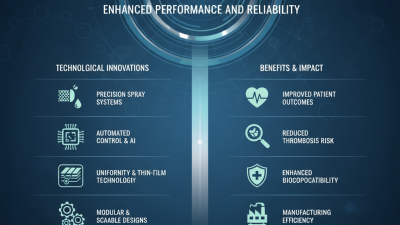
Stent coating equipment is moving toward more precise, repeatable control. Modern systems may combine fine-spray nozzles, controlled rotation, and monitored drying zones. A rotating fixture helps expose the stent’s small struts evenly. Small shifts matter. Changes in spray distance, fluid viscosity, or room temperature can affect coating thickness and coverage.

Manufacturers are increasingly designing equipment with programmable recipes and process records. Operators can track settings such as flow rate, rotation speed, and drying time across production runs. Cameras and other inspection tools can help identify uneven areas, though automated checks still need careful setup. A clean-looking surface is not always proof of uniform coverage. That distinction deserves attention.

Flexible equipment is also gaining value as production teams handle different stent designs and coating materials. Quick-change fixtures and accessible fluid paths can reduce setup effort, while controlled enclosures help limit dust and solvent variation. Yet automation cannot correct every process problem. A poorly prepared surface or inconsistent material may still produce a weak result. In practice, equipment performance depends on maintenance, validated procedures, and trained staff; even a well-designed machine can drift if calibration checks are neglected.