Why Choose Thin Film Coating Machine for Your Business Needs?
In today’s competitive market, understanding the value of a Thin Film Coating Machine can shape your business's success. Dr. Anne Miller, a renowned expert in surface engineering, once stated, “Investing in advanced coating technologies is not just an option; it’s a necessity.” This highlights the importance of modern equipment in enhancing product quality.
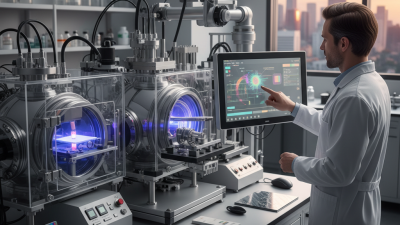
A Thin Film Coating Machine is essential for various industries, from electronics to optics. These machines apply uniform coatings, improving product durability and performance. For businesses, this technology not only boosts productivity but also ensures consistency across products.
Choosing the right Thin Film Coating Machine can be overwhelming. There are many factors to consider, such as size, capacity, and application specifics. Companies must reflect on their unique needs and future growth. While investing in this technology can seem daunting, the long-term benefits often outweigh the initial costs.

Benefits of Thin Film Coating in Various Industries
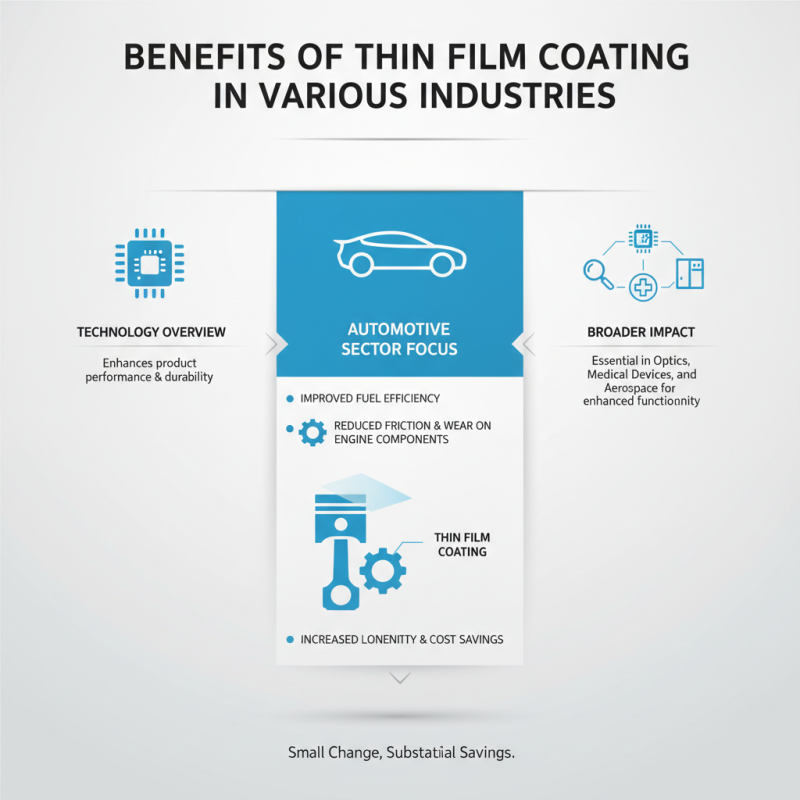
Thin film coating technology has become essential in various industries, enhancing product performance and durability. The automotive sector, for example, employs thin films to improve fuel efficiency. Coatings on engine components reduce friction and wear, significantly increasing longevity. This small change can lead to substantial cost savings over time.
In the electronics industry, thin film coatings are vital for creating efficient semiconductors. They protect devices from environmental factors while optimizing performance. However, the application process can be tricky. Achieving a uniform layer requires precision and attention to detail. Operators must often experiment with different techniques to find the best results.
The healthcare sector also benefits from thin film coatings. Medical devices, such as stents, often utilize biocompatible coatings to minimize the risk of infection. Yet, the effectiveness of these coatings can vary. Continuous testing and adjustments are necessary to ensure reliability. This iterative process highlights the importance of having skilled personnel in this field.
Types of Thin Film Coating Machines Available in the Market
The thin film coating machine market has various options tailored to different industry needs. These machines are classified primarily into physical vapor deposition (PVD) and chemical vapor deposition (CVD) types. PVD machines utilize physical processes to deposit thin films, while CVD machines employ chemical reactions for film formation.
According to industry reports, PVD machines have gained traction due to their lower environmental impact. They typically require less energy, making them a cost-effective alternative. CVD, on the other hand, is known for producing high-quality coatings and is widely used in the semiconductor and solar industries. Data indicates that the demand for CVD machines is projected to grow at a CAGR of 6% over the next five years.
**Tip:** Consider your specific application and desired coating properties when choosing between PVD and CVD machines. If your business focuses on rapid production, PVD may be your best bet. However, for advanced applications needing superior coating quality, CVD is ideal.
Each type of machine presents its challenges. PVD systems can struggle with uniformity on complex shapes, while CVD processes may have higher operational costs. Assessing the trade-offs is crucial. Make sure you analyze your production volume and material requirements before making a decision.
Types of Thin Film Coating Machines Available in the Market
How Thin Film Coating Enhances Product Performance and Longevity
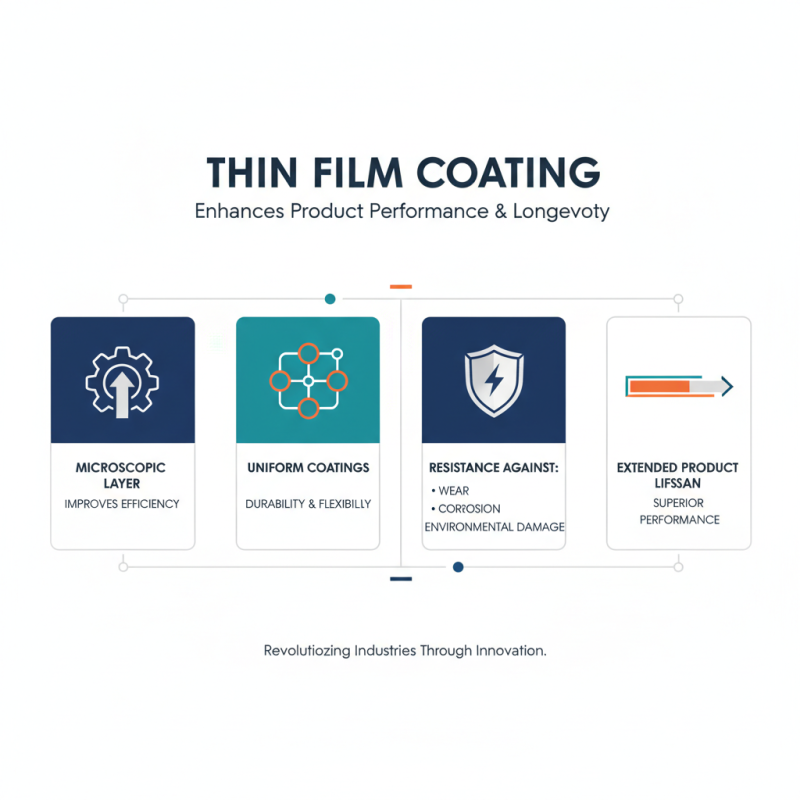
Thin film coating technology is revolutionizing product efficiency across various industries. This innovative method applies a microscopic layer on surfaces, enhancing performance. The process creates uniform coatings that improve durability and flexibility. As a result, products can resist wear, corrosion, and environmental damage more effectively.
Implementing thin film coatings can also extend product longevity. For instance, components in electronics or optics benefit from reduced friction and smoother surfaces. This leads to better performance under stress. Moreover, the coatings can be engineered to provide specific properties, such as anti-reflective or hydrophobic characteristics. However, selecting the right coating materials and application methods requires expertise and careful consideration.
Despite its advantages, some challenges accompany thin film coating applications. For instance, achieving optimal adhesion can sometimes be tricky. If not properly managed, coatings may peel or chip over time. This issue highlights the necessity of thorough testing and quality control in the manufacturing process. Ensuring that the coating process aligns with the specific requirements of each product is essential for maximizing benefits.
Factors to Consider When Choosing a Thin Film Coating Machine
When selecting a thin film coating machine, several crucial factors must be taken into account. The type of coating process is one of the most critical considerations. Techniques such as PVD (physical vapor deposition) and CVD (chemical vapor deposition) serve different applications. For instance, PVD is known for its efficiency and ability to produce high-quality coatings, especially in the tool and semiconductor industries.
The machine's throughput and automation capabilities are equally important. According to a market report, the global thin film coating equipment market is expected to grow at a CAGR of 7% from 2021 to 2028. This highlights the demand for machines that can operate efficiently in high-volume production environments. Operators should assess their production goals and the machine's ability to meet those needs without incurring excessive downtime.
Lastly, consider maintenance and support. Machines may require regular calibrations and servicing, which affects operational efficiency. A reliable support system helps mitigate unforeseen issues. Often, businesses overlook this aspect, leading to extended downtimes. By carefully evaluating these factors, companies can make informed decisions that enhance their production quality and operational reliability.
Why Choose Thin Film Coating Machine for Your Business Needs? - Factors to Consider When Choosing a Thin Film Coating Machine
| Factor |
Description |
Importance Level |
Estimated Cost |
| Coating Method |
Different methods like PVD, CVD, etc. provide different qualities. |
High |
$50,000 - $100,000 |
| Substrate Compatibility |
Ability to work with different substrate materials. |
Medium |
$20,000 - $40,000 |
| Throughput |
Rate at which the machine can process materials. |
High |
$70,000 - $150,000 |
| Maintenance Requirements |
Frequency and cost of maintenance needed for optimal performance. |
Medium |
$2,000 - $5,000 per year |
| Energy Efficiency |
Energy consumption vs. output efficiency. |
High |
$10,000 - $20,000 |
Cost-Effectiveness and ROI of Investing in Thin Film Coating Technology
Investing in thin film coating technology can greatly enhance your business's efficiency and profitability. One of the key advantages is its
cost-effectiveness. Thin film coating machines typically require less material compared to traditional methods, which reduces waste.
Moreover, they allow for precise application, which contributes to savings over time. Lower operational costs and better resource management result in a higher
return on investment (ROI).
Tips: Research potential savings on materials and labor costs. Analyze current processes to determine how thin film technology could streamline operations.
Additionally, the longevity of products coated with thin films is noteworthy. These coatings often improve durability and performance, leading to fewer replacements. This can significantly cut long-term expenses. Furthermore, the versatility of thin film coatings allows businesses to diversify their offerings, attracting a broader customer base.
Tips: Consider the diverse applications of thin films across industries. Explore partnerships that can expand your market reach.