How to Choose the Best Tinning Machine for Your Needs?
When selecting a Tinning Machine, understanding your specific requirements is crucial. Industry expert, John Sullivan, emphasizes, "Choosing the right machine can enhance productivity and efficiency." With so many options available, the decision can feel overwhelming.
Many factors come into play: the scale of your operation, material types, and desired output. Each element influences the overall effectiveness of your Tinning Machine. Without careful consideration, you may end up with a machine that doesn’t meet your needs. It is essential to match the machine's capabilities to your production goals.
Furthermore, users often overlook the importance of maintenance. A high-performing machine requires regular attention. This oversight can lead to unforeseen downtime. Ultimately, investing time in understanding these aspects can make a significant difference. The right Tinning Machine not only supports your manufacturing process but also shapes the quality of the final product.
Understanding the Different Types of Tinning Machines Available
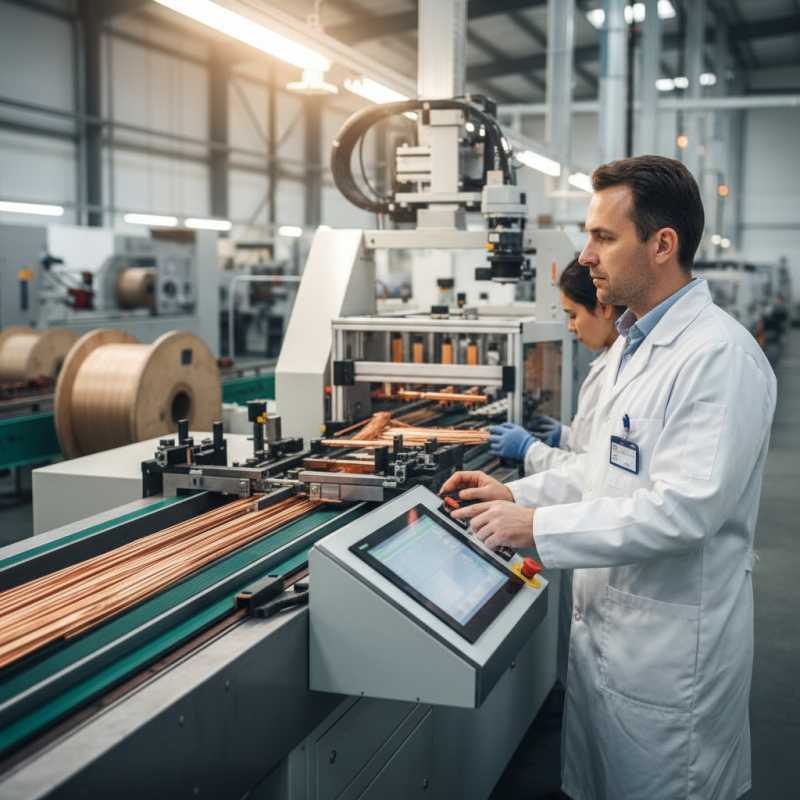
When choosing a tinning machine, understanding the types available is vital. There are several options to consider, including manual, semi-automatic, and fully automatic machines. Manual machines are often more affordable but require more labor. Semi-automatics balance cost and efficiency, while fully automated systems streamline the process significantly. Think about your production volume when making a choice.
Tips: Assess your production needs carefully. High volume may justify a larger investment. Small operations might benefit from manual machines. Remember that maintenance and training are equally crucial. A complex machine can lead to inefficiencies if staff lack knowledge.
Another key aspect is the machine's size and footprint. Larger machines require more space, which can be an issue in smaller facilities. Check the specifications to ensure it fits your operational area. Additionally, consider the tinning process's speed and quality of output. A slower machine might be more reliable but could impact productivity.
Tips: Read reviews and seek advice from industry experts. Their insights can prevent costly mistakes. Take your time to research and reflect on your specific requirements before making a decision.
How to Choose the Best Tinning Machine for Your Needs? - Understanding the Different Types of Tinning Machines Available
| Machine Type |
Output Capacity (units/hour) |
Power Consumption (kW) |
Form Factor |
Maintenance Level |
| Manual Tinning Machine |
100 |
0.5 |
Compact |
Low |
| Semi-Automatic Tinning Machine |
300 |
1.5 |
Medium |
Medium |
| Fully Automatic Tinning Machine |
500 |
3.0 |
Large |
High |
| Robotic Tinning Machine |
800 |
4.0 |
Industrial |
Very High |
Assessing Your Production Needs and Requirements
When assessing your production needs for a tinning machine, consider the scale of your operations. Data from industry reports indicate that small to medium-sized manufacturers often require machines with lower throughput. A machine that processes 30 to 50 cans per minute might suffice. In contrast, larger producers will need equipment capable of 100 cans per minute or more. Take time to analyze your average daily production volume. This helps identify the machinery that fits your timeline without causing bottlenecks.
Evaluate the materials you use, as they impact your machine selection. Various tinning processes suit different substrates. For example, a machine designed for aluminum cans may not work well for steel. Industry standards suggest that over 70% of manufacturers prioritize versatility in their equipment. However, relying on a one-size-fits-all approach can lead to inefficiencies. Reflect on the unique requirements of your products. Consider whether you need to scale your production in the future, as investments in machinery should be future-proof to avoid premature upgrades.
Don't overlook the importance of automation and technology in your decision. Modern machines integrate advanced features that enhance precision and reduce labor costs. Reports show that automated systems can increase efficiency by 20% or more. Yet, it's vital to balance cost and benefits. An expensive piece of technology may not yield a return on investment if your production volume remains low. Regularly revisiting these assessments will help ensure that your equipment continues to meet evolving demands.
Evaluating Key Features and Specifications of Tinning Machines
When selecting a tinning machine, consider its key features carefully. Different machines offer various specifications that can significantly impact performance. Design and engineering are crucial. A robust build ensures durability, while intuitive controls enhance user experience. Look for machines with easy maintenance options to save time and effort.
Evaluate the heating technology used in the machine. An efficient heating system can influence the quality of the tinning process. Some machines employ infrared heating, while others use traditional methods. Each method has its pros and cons. Testing samples can help determine which technology suits your needs best.
Lastly, consider the support and resources available for the machine. Manufacturer support can play an essential role in maintaining machine efficacy. Verify if there are manuals, tutorials, or customer service options. Reflecting on these aspects can guide you to a more informed decision on the right tinning machine for your specific requirements.
Researching and Comparing Manufacturer Reputation and Support Options
When exploring the right tinning machine, researching manufacturer reputation is vital. A strong reputation indicates reliability. Look for companies with years of experience in the industry. Analyze customer reviews to gauge satisfaction levels. Seek manufacturers known for durable products and consistent performance. This helps filter out less reputable options.
Consider support options as well. Quality support can make a difference in your choice. Some manufacturers offer extensive resources, like manuals and training. Others might provide limited assistance after the sale. Identify which support options matter most for your operations. Direct contact with customer service can reveal responsiveness and helpfulness. These aspects can affect your long-term satisfaction with the machine.
Be aware that not all reputable manufacturers excel in support. It’s crucial to dig deeper. A company may have great reviews for its products but falter in technical support. This discrepancy can lead to frustration during operational challenges. Evaluating both reputation and support will guide you to the most suitable tinning machine for your needs.
Choosing the Best Tinning Machine: Comparison of Key Features