2026 How to Choose the Best Industrial Coating Machine for Your Needs?
Choosing the right Industrial Coating Machine can be challenging. Experts recommend careful consideration of specific needs. John Smith, a renowned specialist in the coatings industry, once stated, "The best machine is the one that fits your unique requirements." This statement underscores the importance of understanding one's own operational demands.
In the realm of industrial coating, machines come in various sizes and types. Each machine offers different features and capabilities. It’s easy to get overwhelmed by choices. Evaluate what you truly need versus what looks appealing. Many buyers focus too much on price and overlook essential functionalities. Sometimes, what seems like a good deal can lead to inefficiencies later.
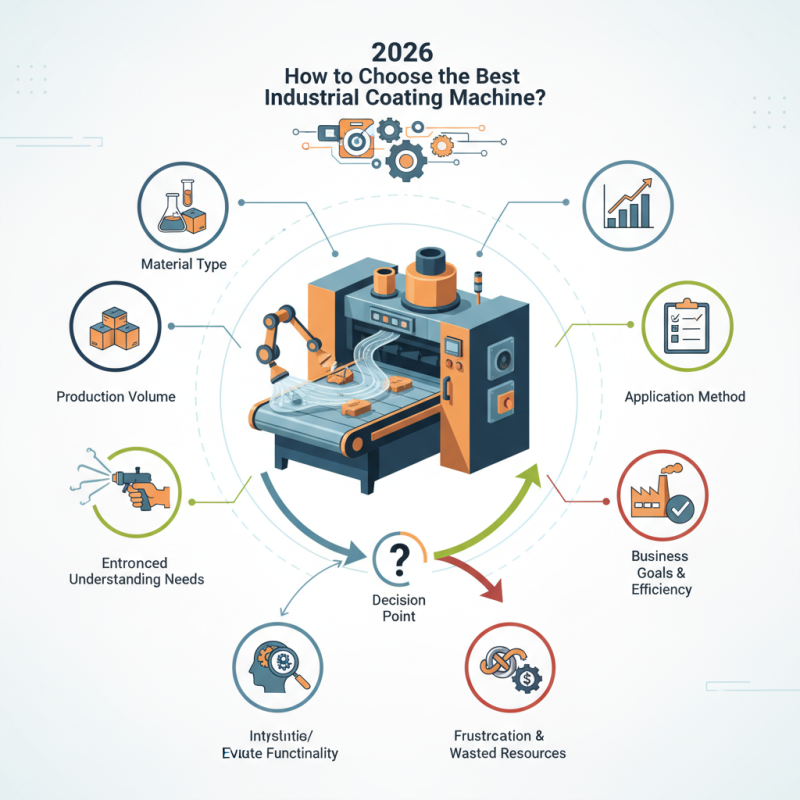
Selecting the ideal Industrial Coating Machine requires introspection. Factors such as material type, production volume, and application method should weigh heavily in your decision. Remember, it’s not just about having the latest technology. Rather, it’s about finding a machine that genuinely serves your business goals. The right choice can enhance productivity, while the wrong one may lead to frustration and wasted resources.
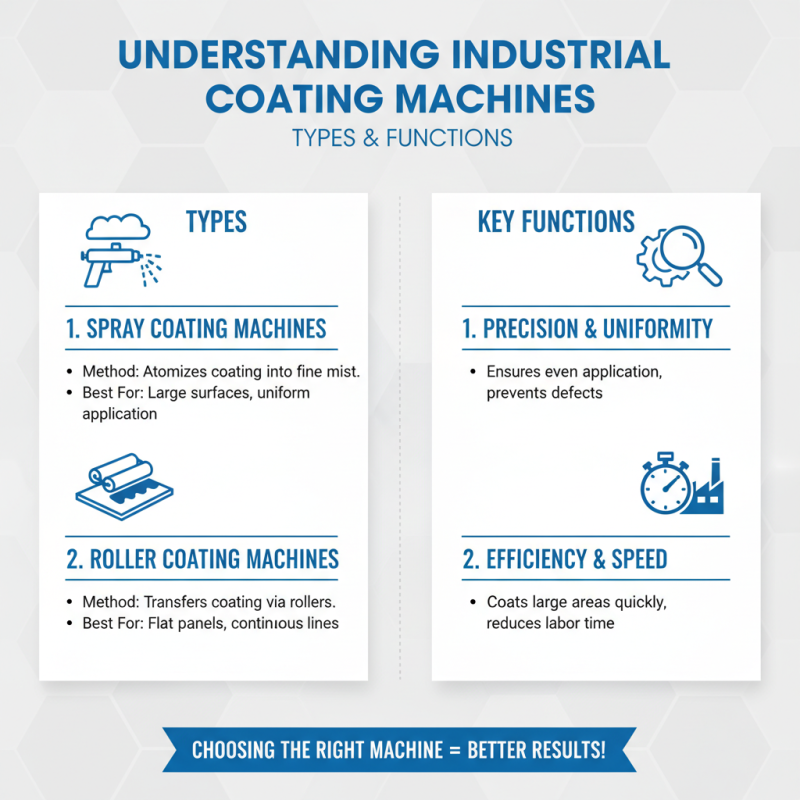
Understanding Industrial Coating Machines: Types and Functions
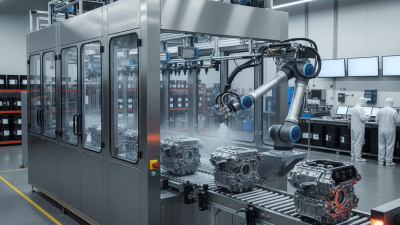
Industrial coating machines come in various types, each with unique functions. Understanding these differences is crucial for selecting the right one. For example, spray coating machines use a method that ensures an even application. They can handle large surfaces efficiently but may require careful calibration to avoid overspray.
Another type is electrostatic coating machines. They apply charged particles to surfaces, reducing waste and improving coverage. However, they may not suit all materials, so testing beforehand is advisable.
Tips: Always assess the material type you plan to coat. Some machines work better on metals, while others are designed for plastics or wood. Cost considerations also play a significant role. Higher upfront costs might lead to savings on material usage in the long run.
Consider the machine's maintenance needs too. Some equipment requires frequent servicing. This could impact your production schedule. Reflecting on these factors helps you make an informed choice. Identify your priorities. Is speed more critical than versatility? Knowing this will guide your decision.
Key Factors to Consider When Selecting an Industrial Coating Machine
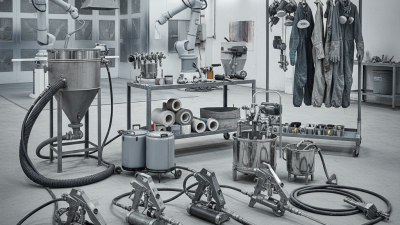
Choosing the right industrial coating machine can significantly impact your production efficiency. Consider the type of coating required. Different materials and finishes need specific machinery. For example, powder coating machines differ from liquid spray systems. Each machine offers unique capabilities. Evaluate your product's needs before making a decision.
Next, assess the machine's capacity. Understand your production volume. A machine that is too small will cause delays. One that is too large may lead to unnecessary costs. Look into the speed and efficiency ratings of each option. It’s wise to ask for performance statistics from past users. Sometimes, these numbers can be overly optimistic; cross-check them.
Finally, think about ease of use. A complicated machine can slow down your workforce. Training staff requires time and expense. Look for user-friendly designs that simplify operations. Maintenance should also factor into your decision. Regular upkeep is critical for longevity. Machines with good service support can save you headaches in the long run. Always question if the investment meets your future needs. Being thorough now can prevent bigger issues later.
Evaluating Performance Metrics for Coating Machines: Efficiency and Speed
When choosing an industrial coating machine, performance metrics are crucial. Efficiency often determines a machine's value. According to industry reports, the best machines operate at 85% efficiency or higher. Speed is similarly vital. A faster machine can significantly boost production. For example, machines that coat at a rate of 30 meters per minute tend to enhance overall throughput. This is crucial in high-volume environments.
However, one must consider the trade-offs. A machine operating at high speed might compromise coating quality. Data shows that machines with adjustable speeds allow for better control. This flexibility can mitigate risks associated with over-application or under-application of coatings. Additionally, maintaining efficiency over time can be challenging. Regular maintenance is required, and this adds to operational costs.
In practice, assessing these metrics can't be overlooked. It is essential to balance speed and efficiency. A machine that performs well on paper may not fare well in real conditions. Experience in the field shows that real-world performance can differ from expected metrics. Evaluating user feedback becomes essential to identify potential issues hidden in specifications.
Performance Metrics for Industrial Coating Machines
Cost Analysis: Budgeting for Upfront and Operational Expenses
When selecting an industrial coating machine, understanding the cost is crucial. Budgeting for upfront costs is essential. Machines can vary significantly in price. Factors influencing the cost include size, capabilities, and technology. A basic machine might cost less, but it may not meet all your needs. Investing in advanced features often pays off, but it requires careful consideration.
Operational expenses should not be overlooked. These costs include maintenance, materials, and labor. Regular maintenance is vital to keep the machine running efficiently. Over time, these expenses can add up. Companies sometimes underestimate the long-term costs. This can lead to unexpected financial strain.
It’s important to analyze your unique needs. A machine that fits perfectly today may not be ideal in a few years. Flexibility in budgeting allows for adaptability. Reviewing past expenditures can provide valuable insights. Reflecting on these factors helps in making informed decisions. In this way, you can choose the best machine for your specific requirements.
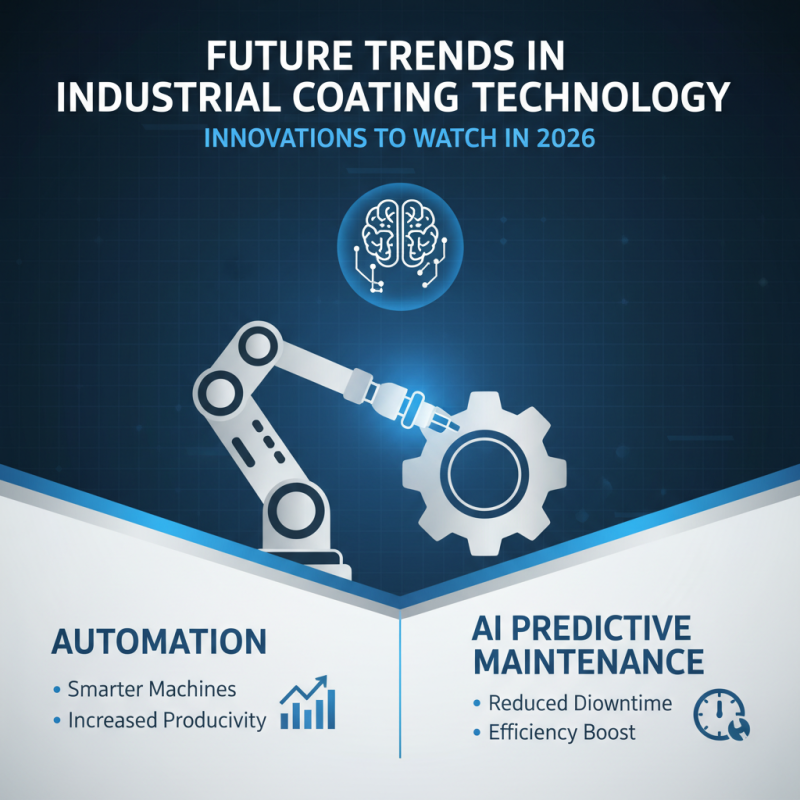
Future Trends in Industrial Coating Technology: Innovations to Watch in 2026
In 2026, the landscape of industrial coating technology is evolving rapidly. Innovations are driving efficiency and performance. One notable trend is the advancement in automation. Machines are becoming smarter, using AI to predict maintenance needs. This reduces downtime and increases productivity.
Another key area is eco-friendly coatings. As industries aim for sustainability, water-based and low-VOC options are gaining traction. These materials are safer for workers and the environment. They also meet stricter regulations. It’s important to consider the long-term benefits of these choices, despite their initial cost.
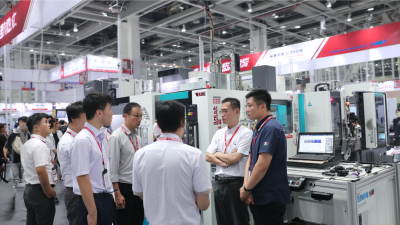
Tips: Evaluate your current needs. Look for machines that offer flexibility and can adapt to different coatings. Explore suppliers who focus on innovative technology. Attend industry workshops to stay updated on emerging trends. This way, you can choose a machine that aligns with future developments.
Investing in the right equipment is crucial. Machines that are too specific may limit your versatility. Consider potential growth areas and future projects. Reflecting on these points will ensure your choice supports both immediate and long-term goals.