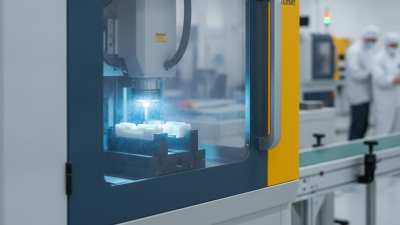
In the global market of manufacturing, the Ultrasonic PP Welding Machine stands out for its efficiency and precision. According to Dr. Emily Chen, a renowned expert in plastic welding technology, “This machine revolutionizes how we bond polypropylene materials.” Her insights reflect the growing importance of advanced techniques in manufacturing processes.
These machines utilize ultrasonic technology, offering a cleaner and faster alternative to traditional welding methods. They provide a secure bond and reduce the risk of contamination. As industries embrace cleaner solutions, the Ultrasonic PP Welding Machine is gaining traction. However, not all machines perform equally. Some still face challenges in consistency and energy efficiency, prompting manufacturers to seek further improvements.
The potential for growth remains vast in this sector, but challenges such as high initial costs and technical training persist. Observing the market, it’s clear that while progress has been made, there is still work to be done. The industry must continue to innovate and refine these technologies to meet rising standards.
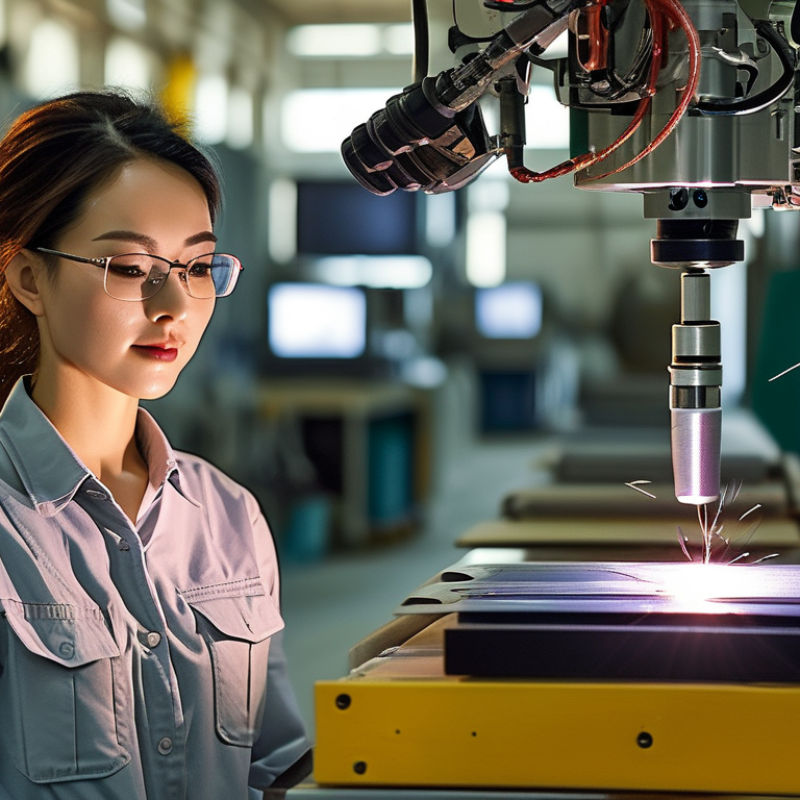
Ultrasonic welding technology has rapidly evolved in China, becoming a crucial method in various industries. The process involves using high-frequency sound waves to create a solid-state weld. This method ensures minimal thermal damage to materials, preserving their physical properties. According to industry reports, the global ultrasonic welding market is expected to exceed $700 million by 2025, with China being a significant contributor.
In recent years, China's adoption of advanced ultrasonic welding machines has surged. Many manufacturers focus on enhancing efficiency and precision. Recent data shows that ultrasonic welding can reduce cycle times by up to 30% compared to traditional methods. This improvement can lead to significant cost savings and increased output for manufacturers in sectors such as automotive, electronics, and medical devices.
Despite the advancements, challenges remain. Some users report inconsistency in weld quality due to variations in materials and machine calibration. As the industry grows, addressing these issues will be vital. Continuous training and upgrades in technology are necessary for workers and machines alike. The future of ultrasonic welding in China will depend on overcoming these obstacles while maintaining high standards of quality and reliability.
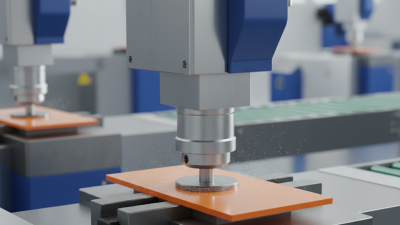
When exploring the world of ultrasonic polypropylene (PP) welding machines, understanding their key features is essential. These machines utilize high-frequency sound waves to join PP parts, ensuring strong and durable welds. A report from Industry Research predicts a compound annual growth rate (CAGR) of 7.5% in the ultrasonic welding market through 2025. This growth is a testament to the increasing adoption of such technologies in various sectors, particularly in automotive and medical industries.
One notable feature of ultrasonic PP welding machines is their efficiency. They can complete welding tasks in seconds, reducing cycle times significantly. This speed not only enhances productivity but also minimizes energy consumption. In fact, a recent study indicated that ultrasonic welding can reduce energy use by up to 70% compared to traditional methods. While impressive, it's important to acknowledge that user training and proper machine calibration are critical. Inconsistent settings can lead to weak welds, underscoring the need for skilled operators.
Another key aspect is their versatility. Ultrasonic PP welding machines handle various thicknesses and types of polypropylene. They can adapt to different product designs without extensive reconfiguration, making them ideal for manufacturers facing diverse production demands. However, challenges remain. Not all PP grades are suitable for ultrasonic welding. Some may require additional processing to achieve acceptable weld quality. These considerations highlight the balance between capability and limitation in the adoption of these advanced machines.
Ultrasonic welding is transforming the manufacturing landscape. This technology harnesses high-frequency sound waves to join materials like plastics and metals. A report by MarketsandMarkets indicates that the ultrasonic welding market is projected to reach USD 2.52 billion by 2025. This growth highlights the increasing reliance on ultrasonic welding in various industries, driven by efficiency and accuracy.
Using ultrasonic welding offers several advantages. It requires minimal energy, making it more environmentally friendly compared to traditional methods. The process is fast, often taking mere seconds to complete a joint. Additionally, it eliminates the need for adhesives, which can introduce contaminants. Recent studies show that ultrasonic welding can achieve join strengths up to 30% higher than conventional techniques.
Consider some practical tips when implementing this technology. Ensure the materials are compatible; not all plastics or metals can be welded together effectively. Regular maintenance of ultrasonic machines is essential to minimize downtime. Keep in mind that while the process is efficient, achieving perfect joints may require trial and error. Always be prepared to learn from each application to improve results.
| Feature | Description | Benefits |
|---|---|---|
| Speed | Fast welding process which significantly reduces production cycle time. | Increased productivity and efficiency in manufacturing operations. |
| Precision | High level of accuracy in joining materials, ensuring consistency. | Reduced waste and improved product quality. |
| Automation | Easily integrable into automated production lines. | Lower labor costs and enhanced workflow efficiency. |
| Environmentally Friendly | Uses no additional solvents or adhesives in the welding process. | Reduced environmental impact and compliance with regulations. |
| Versatility | Can weld various thermoplastic materials and composites. | Flexibility in application across various industries. |
In recent years, the global market for ultrasonic welding equipment has experienced significant growth. This technology has become essential in various sectors, including automotive, electronics, and medical devices. Ultrasonic welding offers advantages like speed, precision, and energy efficiency, attracting manufacturers worldwide.
China has emerged as a leading player in this market. As technology advances, the efficiency of ultrasonic PP welding machines has improved. Buyers are increasingly looking for reliable and high-performance solutions. The competitive landscape is evolving, with many manufacturers striving to innovate and enhance product capabilities.
Despite the market's promising outlook, challenges exist. Quality control remains a surprise factor, as not all machines meet international standards. Companies must invest in rigorous testing to ensure reliability. Additionally, customer education on proper use is vital. Understanding product capabilities helps buyers make informed decisions. This dynamic market requires ongoing adaptation to meet emerging needs and overcome obstacles.
When considering the purchase of ultrasonic PP welding machines from China, global buyers should focus on several key factors. The ultrasonic welding market is projected to grow significantly, reaching a value of nearly $5 billion by 2025, according to industry reports. Buyers must evaluate the machine's specifications thoroughly. The welding frequency and power output play a crucial role in the machine's efficiency and final product quality.
Durability and performance consistency are also essential. A machine that experiences frequent breakdowns can negatively affect production timelines. Buyers should ask for performance data and warranty policies. The average warranty for ultrasonic machines is around one to two years, which may not be sufficient depending on usage intensity. Always consider obtaining references from existing users to gauge reliability.
Moreover, shipping and after-sales service should not be overlooked. International logistics can add hidden costs, impacting the overall investment. It is vital to clarify terms related to technical support and spare parts availability. Some suppliers might promise efficient service but fall short in real-world scenarios. This aspect deserves careful reflection before making a decision.