Best Spray Can Nozzle for Perfect Application Techniques?
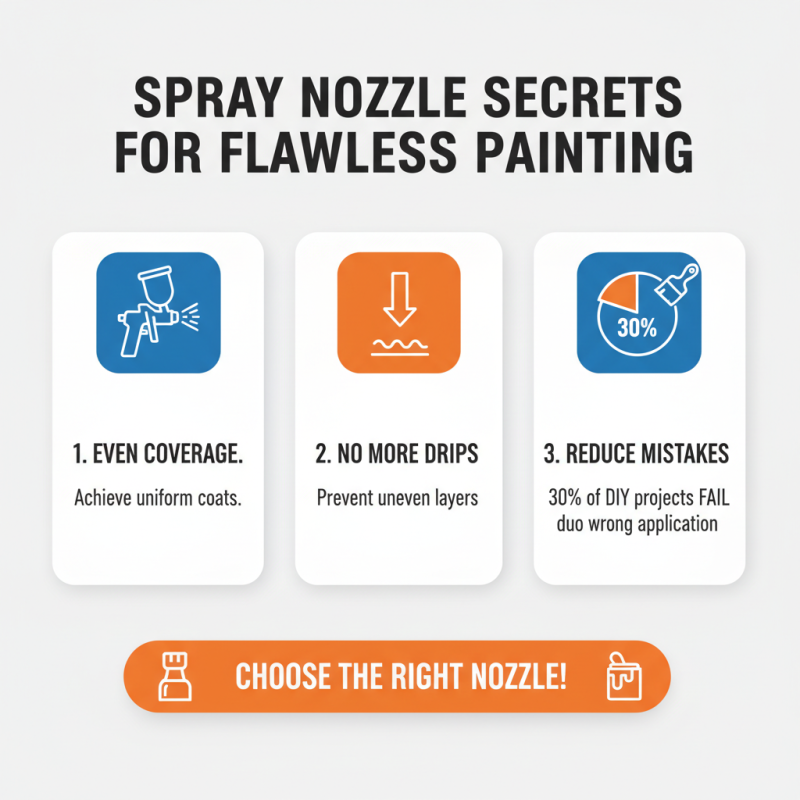
Choosing the right spray can nozzle is crucial for achieving desired results in any painting project. A well-designed nozzle ensures a consistent spray pattern and the right amount of paint coverage. Various nozzles are available, each suitable for different applications. Whether you are touching up furniture or completing large exterior projects, having the right nozzle can significantly impact your work.
One common challenge is finding the perfect spray can nozzle for specific tasks. Users often struggle with uneven coverage or excessive overspray. These issues can lead to frustration and wasted materials. Testing different nozzles can provide insights into what works best. Observing how various nozzles perform on surfaces can refine application techniques.
However, it’s essential to recognize that not every nozzle will meet your needs. Some may clog or fail to deliver paint properly. This reality pushes users to experiment and learn from their experiences. Fine-tuning techniques with the correct nozzle can transform your results. It is about finding the balance between efficiency and quality. Work with different nozzles to discover which ones enhance your paint application.
Understanding Different Types of Spray Can Nozzles for Application
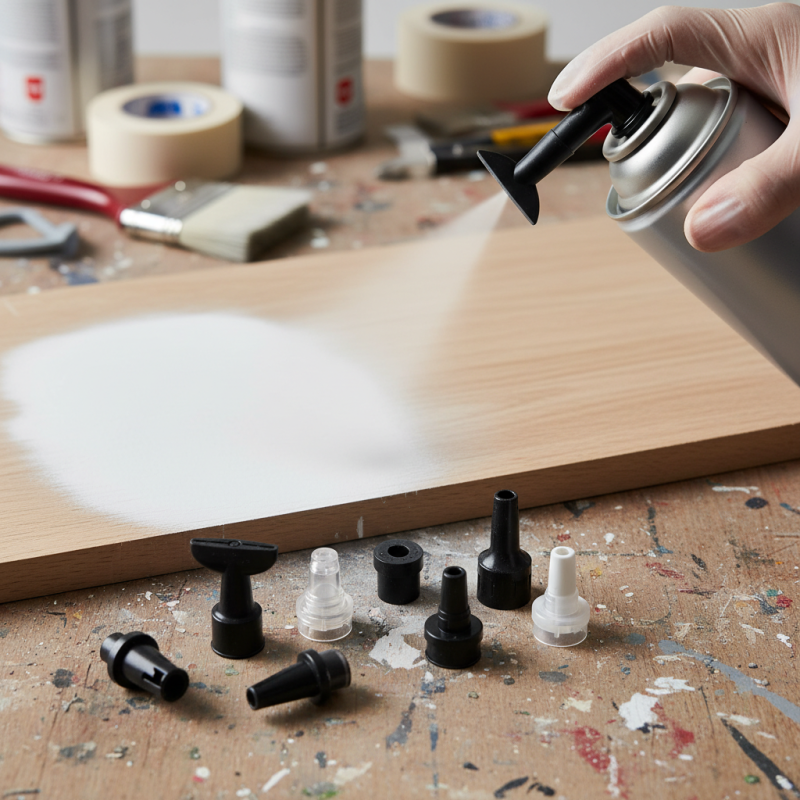
Choosing the right spray can nozzle can significantly enhance your application technique. There are several types to consider. For example, standard nozzles provide a wide spray pattern. They are good for covering large areas quickly. However, they can create overspray and waste material. You may want to try adjusting the nozzle for a finer spray. It can lead to better control, especially for detailed work.
Fan spray nozzles offer a different approach. They disperse paint in a flat pattern. This design helps when working on surfaces like walls or fences. Yet, they can be tricky. The paint can run if applied too thickly. Messy drips can result in unprofessional-looking finishes. Users often overlook the need for distance. Keeping the nozzle at the right distance from the surface is crucial.
Trigger nozzles allow for precise control of the flow. This feature is helpful for intricate designs. They can, however, be tiring after extended use. It's easy to apply too much paint accidentally. Testing different nozzles on scrap surfaces can bring clarity. Experimentation is essential. Each type requires practice to master its unique application style. Adjust your technique as necessary to achieve the best results.
Best Spray Can Nozzle for Perfect Application Techniques
| Nozzle Type |
Spray Pattern |
Common Uses |
Application Technique |
| Fine Detail Nozzle |
Narrow Spray |
Modeling, Art Projects |
Light touch, controlled hand movement |
| Fan Spray Nozzle |
Wide Flat Spray |
Large Area Coverage, Base Coats |
Steady sweeping motion across the surface |
| Adjustable Nozzle |
Variable Spray Patterns |
Versatile Uses, Customizable |
Adjusting angle and pressure for desired effect |
| Cone Nozzle |
Conical Spray |
Detail Work, Spraying Edges |
Controlled focus on edges and corners |
| Wide Coverage Nozzle |
Very Wide Spray |
Large Surfaces, Quick Coverage |
Fast sweeping application, minimal overlap |
Factors to Consider When Choosing the Best Spray Can Nozzle
Choosing the right spray can nozzle is essential for effective application. Consider the nozzle size; it affects the spray pattern. A wider nozzle provides a broader spray. This is great for large surfaces but can lead to overspray. A narrower nozzle, though, gives more control. It’s useful for detailed work but can require multiple passes.
Another factor is the spray type. Some nozzles produce a continuous spray, while others allow for bursts. Continuous can be messy but efficient for covering large areas. Burst sprays offer precision but may slow down the job. Test different types to discover which fits your needs best.
Lastly, the material of the nozzle matters. Plastic nozzles are lightweight and easy to handle but can break easily. Metal nozzles are more durable, yet heavier. Each has its pros and cons, leading to the need for careful consideration. Finding the right balance will enhance your painting experience, but it often involves trial and error. Reflect on your previous projects to inform your choice and improve your technique.
Best Spray Can Nozzle for Perfect Application Techniques
Common Mistakes to Avoid with Spray Can Nozzles
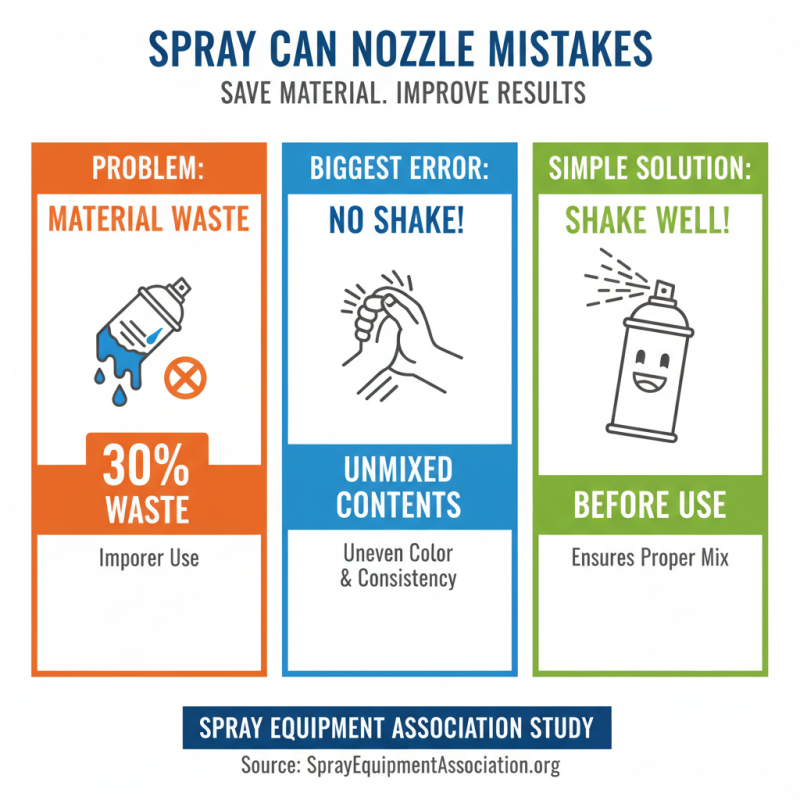
When using spray can nozzles, many common mistakes can sabotage your application techniques. A study from the Spray Equipment Association noted that improper nozzle use results in up to 30% material waste. One of the biggest errors is not shaking the can adequately before use. This simple step ensures the contents are mixed properly, which is crucial for achieving the right consistency and color.
Another frequent mistake is maintaining an incorrect distance from the surface. Keeping the nozzle too close can lead to drips and uneven coverage. Experts recommend maintaining a distance of about 6 to 12 inches from the target surface. It’s also common for users to apply too much pressure, resulting in a heavy spray that can overwhelm the area. Instead, a steady, controlled hand can create a more uniform application.
Lastly, many overlook the importance of clean nozzles. Clogs or debris can compromise the spray pattern. Cleaning the nozzle after each use can enhance performance and prolong the nozzle's life. Addressing these oversights can lead to improved results and less frustration during your projects.
Maintenance Tips for Prolonging the Life of Spray Can Nozzles
Maintaining spray can nozzles is crucial for optimal performance. Many users overlook proper care, leading to clogged or uneven spray patterns. A simple inspection can reveal buildup or residue that interferes with application. If the nozzle appears dirty, a quick cleaning can restore functionality.
One effective method is to flush the nozzle with the same product. This helps remove dried paint or other materials. Using hot water can also aid in loosening stubborn residue. Always clear the opening after each use. Leftover product can dry and block the nozzle, leading to frustration.
Another important tip is to store spray cans properly. Keep them in a cool, dry place. Avoid extreme temperatures, as these can affect both the nozzle and the product inside. If a nozzle starts to malfunction, consider switching it with another can. It’s an imperfect but practical solution. Remember, even the best nozzles require attention to continue delivering perfect results.