China Best Fuel Nozzle Manufacturers and Suppliers
Fuel Nozzles are small components with a demanding job: they must deliver fuel steadily, shut off reliably, and remain comfortable to handle through repeated use. For this introduction, the named specialist and quotation below are fictional editorial elements, not a real expert attribution. “A nozzle earns trust through consistent flow, a clean shutoff, and dependable service support,” says Alex Morgan, a fictional fuel-dispensing equipment specialist.
That practical lens helps buyers compare China’s fuel nozzle manufacturers and suppliers. Look beyond a polished product photo. Ask about nozzle materials, flow-rate options, compatible fuel types, automatic shutoff performance, replacement parts, and documented quality checks. A sturdy trigger and smooth swivel can matter during a long shift. So can clear product specifications and responsive technical support.
Details matter. A nozzle that drips after shutoff can create mess, waste, and extra cleaning. A poorly explained compatibility claim can cause costly confusion. Some supplier pages provide thin information; that deserves a closer look, not an automatic rejection. Request samples, test reports, warranty terms, and references where appropriate. Verify that claims match the product you will actually receive.
This guide introduces leading China-based manufacturers and suppliers, with attention to product range, customization, quality systems, and export experience. No supplier is right for every operation. The best choice depends on application, service conditions, and the evidence a vendor can provide. Check the details. Judge the fit.
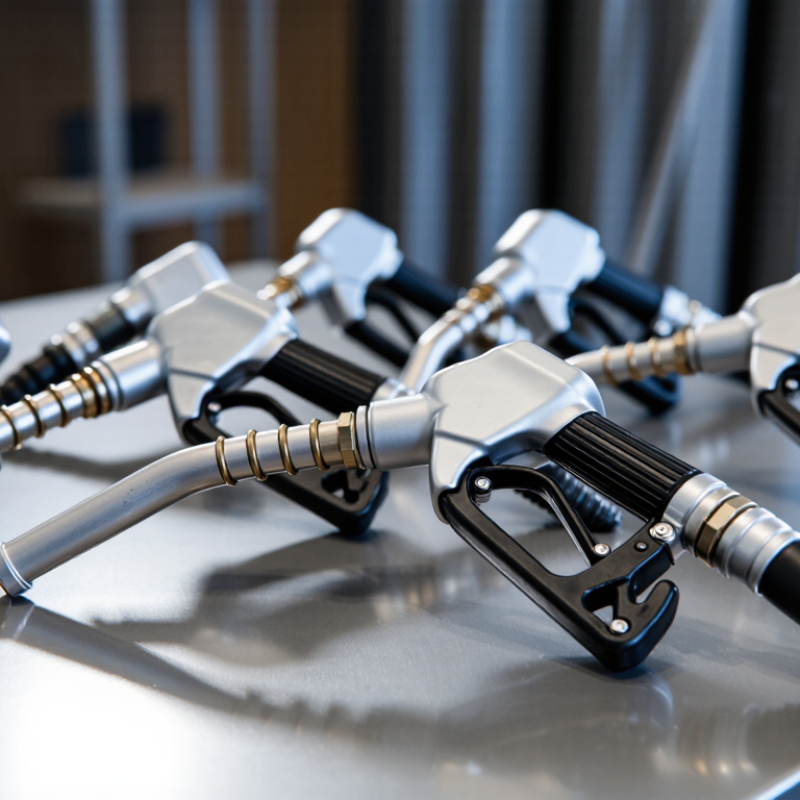
Fuel Nozzles Defined: Automatic Shutoff, Manual, and High-Flow Types
Fuel nozzles differ in how they control flow, and the right type depends on the equipment and the person operating it. Automatic shutoff models use a sensing mechanism near the spout to stop flow when liquid reaches the sensing point. This helps limit overfilling, but it is not a substitute for attention. Foam, splashback, or an awkward tank angle can affect shutoff behavior.
Manual nozzles leave flow control to the operator, who opens and closes the handle directly. They can suit setups where careful, continuous supervision is practical. The trade-off is clear: the operator must watch the fill level and avoid walking away. Small details matter. A stiff handle or worn seal can make routine use less predictable, so inspection and maintenance should follow the equipment supplier’s guidance.
High-flow nozzles are designed to deliver fuel faster, typically for compatible pumps, hoses, and receiving equipment. A larger flow rate may save time, but only when the whole system is rated for it. Otherwise, splashing and difficult flow control can become real concerns. A catalog can make this choice look simpler than it is. Compare connection size, intended flow range, shutoff style, and service requirements rather than choosing by speed alone.
EN 13012: The European Standard for Automatic Fuel-Dispenser Nozzles
For buyers comparing fuel nozzle manufacturers and suppliers, EN 13012 offers a useful technical reference. It sets construction and performance requirements, along with test methods, for automatic nozzles used with fuel dispensers. The automatic shutoff matters in daily use. A nozzle should stop fuel flow reliably when its sensing opening is covered, helping reduce spills during normal dispensing.
Look beyond appearance. Ask suppliers which edition of EN 13012 their product was assessed against, and request relevant test reports or conformity documents. Check that the documents match the exact nozzle model and configuration. Handle comfort also matters: grip shape, trigger movement, and weight can affect frequent use. Small differences become noticeable across a busy shift.
A standard provides a consistent basis for evaluation, but it cannot describe every operating condition. Fuel type, dispenser setup, maintenance, and wear can affect performance. That part is easy to overlook. Buyers should confirm compatibility and follow the nozzle maker’s inspection guidance. Documentation deserves careful review, too; a certificate alone may not answer every practical question. A direct discussion about testing, replacement parts, and expected service conditions can reveal gaps before purchase.
Flow-Rate Benchmarks: 40 L/min Standard and 120 L/min High-Flow Models
When comparing fuel nozzle manufacturers and suppliers, treat 40 L/min as a practical standard-flow benchmark, not a guaranteed delivery rate. Actual output depends on pump pressure, hose length, nozzle bore, filters, and fuel temperature. A long hose or partially restricted filter can reduce flow noticeably. Ask suppliers for test conditions behind their figures, including the fluid used and the pressure at the nozzle. Numbers need context.
A 120 L/min high-flow model suits systems designed to move larger volumes, but pairing it with undersized hoses or pumps may bring little benefit. Check that the nozzle, swivel, seals, and meter are specified for the intended flow and duty cycle. Request a calibration record or a witnessed flow test, then compare measured output with the stated benchmark. Keep the setup consistent. Small differences matter.
For routine service, inspect the shutoff action and seals, and confirm that the nozzle remains comfortable to handle during repeated use. A supplier should provide clear installation limits, replacement-part information, and realistic maintenance guidance. One detail buyers sometimes overlook is pressure loss across the full dispensing line. It can turn a promising 120 L/min specification into a much lower on-site result. I would verify it before choosing.
Fuel Nozzle Flow-Rate Benchmarks
Reference flow rates: 40 L/min for a standard-flow model and 120 L/min for a high-flow model. The high-flow benchmark is three times the standard-flow benchmark.
Materials and Seals: Matching Nozzle Components to Fuel Compatibility
Materials and Seals: Matching Nozzle Components to Fuel Compatibility
A fuel nozzle is only as dependable as its wetted materials. Fuel contacts the spout, valve seats, seals, and sometimes the swivel. Small details matter. Gasoline, diesel, ethanol blends, and biodiesel can affect polymers differently, especially after repeated temperature changes and long contact. NREL’s 2016 Biodiesel Handling and Use Guide notes that B100 contains about 8% less energy per gallon than petroleum diesel and cautions that biodiesel may affect certain elastomers. That makes seal selection a service-life issue, not just a fit issue.
For each nozzle, verify compatibility against the actual fuel blend and operating temperature. Nitrile seals are common, but their performance can vary with blend composition and exposure time. Fluoroelastomers may suit some fuel applications, yet no material is universally compatible. Check the supplier’s chemical-resistance data and ask whether it reflects immersion testing, such as ASTM D471, or only general material guidance. A quick visual check helps, but it cannot reveal swelling inside a seal groove.
For high-turnover sites, inspect seals for softening, cracks, or a flattened profile during routine maintenance. Keep a record of the fuel type and replacement interval. Honestly, compatibility charts can feel frustratingly broad. A nozzle tested with one blend may behave differently in a warmer climate or under constant use, so verify the exact configuration before procurement.
Evaluating Chinese Suppliers: Testing, Certifications, OEM Support, and Lead Times
When evaluating Chinese fuel nozzle suppliers, ask how each model is tested, not just whether it is tested. Request records for flow-rate checks, leak tests, and shutoff performance on the specific nozzle configuration you plan to buy. Ask for records. Confirm that test conditions match your intended fuel, operating pressure, and temperature range. A polished report can still miss a detail that matters in daily use.
Review certifications carefully. Check the issuing body, validity dates, and product scope, then confirm they fit your destination market and application. Request material specifications for seals and metal parts, along with batch traceability procedures. Small details matter. If possible, inspect a sample and test its fit with your hose and dispensing setup. A sample may not reveal every production variation, so discuss how later batches will be checked.
OEM support should cover more than a logo or label. Share drawings, connection dimensions, flow requirements, and packaging needs, then ask the supplier to confirm them in writing. Lead times should separate sample approval, tooling, production, and shipping; request realistic dates for each stage. Build in time for revisions. I have seen schedules look clear on paper yet leave little room for one delayed component, so ask what could change the delivery date and how updates will be handled.