2026 Top Welding Cutting Machine Trends for Global Buyers?
As we approach 2026, the welding cutting machine industry is poised for significant transformations. According to the Global Welding Equipment Market Report, the sector is expected to reach a valuation of $27 billion by 2025, driven by advancements and global demand. Automation and smart technologies are key trends shaping the market. Notably, the adoption of AI in welding processes improves accuracy and efficiency, thereby reducing operational costs.
Furthermore, stakeholders are increasingly focusing on sustainability. A study by the International Journal of Advanced Manufacturing Technology indicates that eco-friendly welding techniques are becoming paramount. Buyers are seeking machines that consume less energy and produce lower emissions. Vendors are adapting to these changes by enhancing their product lines, integrating environmentally friendly features.
However, not all trends may lead to positive outcomes. The rapid pace of technology may alienate some traditional users who struggle to adapt. Buyers must remain vigilant and informed. This landscape requires an awareness of emerging technologies and their potential drawbacks. Understanding these dynamics will ultimately guide global buyers in making strategic investments in welding cutting machines.

Emerging Technologies in Welding and Cutting Machines for 2026
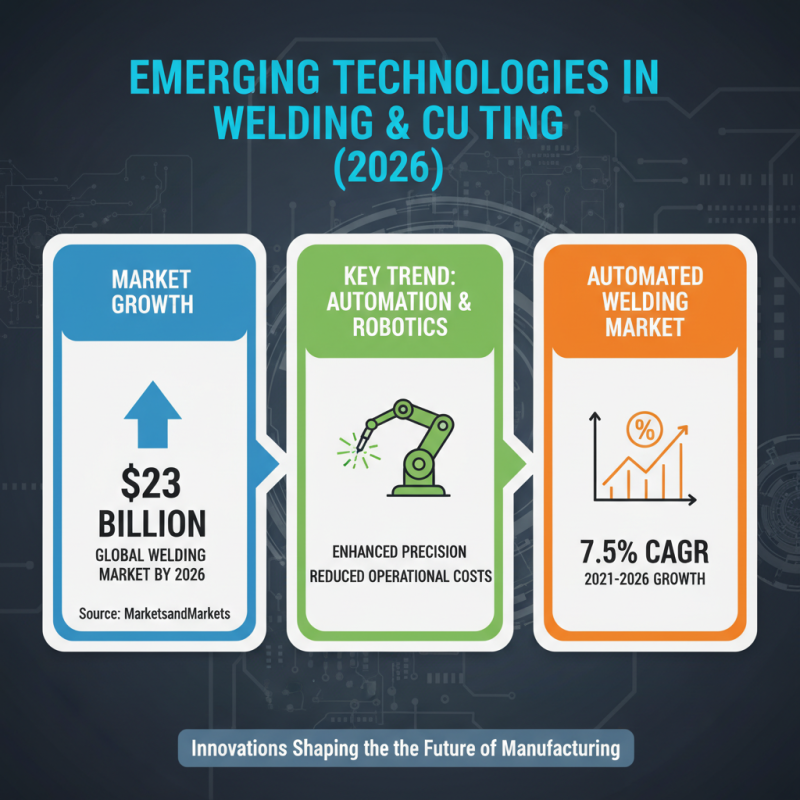
Emerging technologies in welding and cutting machines are shaping the industry's future. The global market for welding equipment is projected to reach $23 billion by 2026, driven by innovations and evolving user needs. A significant trend is the integration of automation and robotics. These systems enhance precision and reduce operational costs. According to a report by MarketsandMarkets, the automated welding market will grow at a CAGR of 7.5% from 2021 to 2026.
Another key development is the use of advanced materials. High-strength materials like nickel alloys and titanium require specialized welding techniques. Additive manufacturing is also on the rise. This allows for more complex designs and reduces material waste. Industry experts indicate that more manufacturers are adopting hybrid welding techniques, combining traditional methods with new technologies. This approach not only improves efficiency but also addresses the skill gap in the workforce.
Additionally, the focus on sustainability is becoming paramount. Manufacturers are adopting eco-friendly practices and technologies in welding processes. Energy-efficient machines reduce the carbon footprint significantly. These innovations are essential, especially as the industry faces increasing environmental regulations. However, the transition can be challenging for many companies, highlighting the need for ongoing training and adaptation in technology use.
Sustainability Trends in the Welding Industry for Global Buyers
Sustainability is becoming critical in the welding industry. As global buyers focus on eco-friendly practices, manufacturers must adapt. Reducing waste and using energy-efficient equipment is now essential. This shift not only meets customer demands but also benefits the environment.
Investing in sustainable welding technologies can reduce carbon footprints. Implementing recycling practices for scrap metal can save costs. Buyers should seek machines that prioritize durability and energy efficiency. Conscious decisions lead to long-term savings and better environmental health.
Tips: Regular maintenance of equipment prolongs lifespan. Choose products made from recycled materials when possible. This not only supports sustainability but also increases your credibility in the market. The path to sustainable welding is evolving, and everyone must contribute. Each small change can make a significant impact in this journey.
2026 Welding Cutting Machine Trends
Impact of Automation on Welding and Cutting Equipment in 2026
The welding and cutting industry is undergoing significant transformation due to automation. By 2026, the integration of automated systems is expected to increase efficiency and precision in operations. Reports indicate that automated welding processes can boost productivity by up to 25%. This shift reduces human error and enhances weld quality, making it a preferred solution for large-scale production.
However, this transition is not without challenges. The need for skilled technicians to operate and maintain automated systems is rising. Nearly 58% of companies report difficulty finding qualified personnel. Training programs must adapt to address this skills gap, ensuring workers can navigate advanced technologies. Furthermore, initial investment costs can be a barrier for small enterprises.
As industries embrace automation, the importance of customizing equipment for specific applications becomes clear. Automation allows for greater flexibility, but it is essential to evaluate the specific needs of each operation. Some companies still rely heavily on manual processes, reflecting a slower shift toward complete automation. It raises questions about balancing automation with traditional methods for optimal efficiency.
2026 Top Welding Cutting Machine Trends for Global Buyers
| Trend |
Description |
Impact on Industry |
Projected Growth (%) |
| Increased Automation |
Adoption of automated welding systems to enhance precision and reduce labor costs. |
Higher efficiency and consistency in welding processes. |
20% |
| Smart Welding Technologies |
Integration of IoT and AI for real-time monitoring and predictive maintenance. |
Reduced downtime and improved quality control. |
15% |
| Portable Cutting Solutions |
Development of lightweight and portable cutting machines for on-site jobs. |
Increased accessibility to cutting services in various industries. |
18% |
| Sustainability in Welding |
Focus on eco-friendly welding materials and reduction of emissions. |
Compliance with regulations and improved corporate image. |
25% |
| Advanced Training Programs |
Enhanced training for operators to adapt to new technologies. |
Greater workforce competency and productivity. |
10% |
Innovative Features and Enhancements in Cutting Machines for 2026
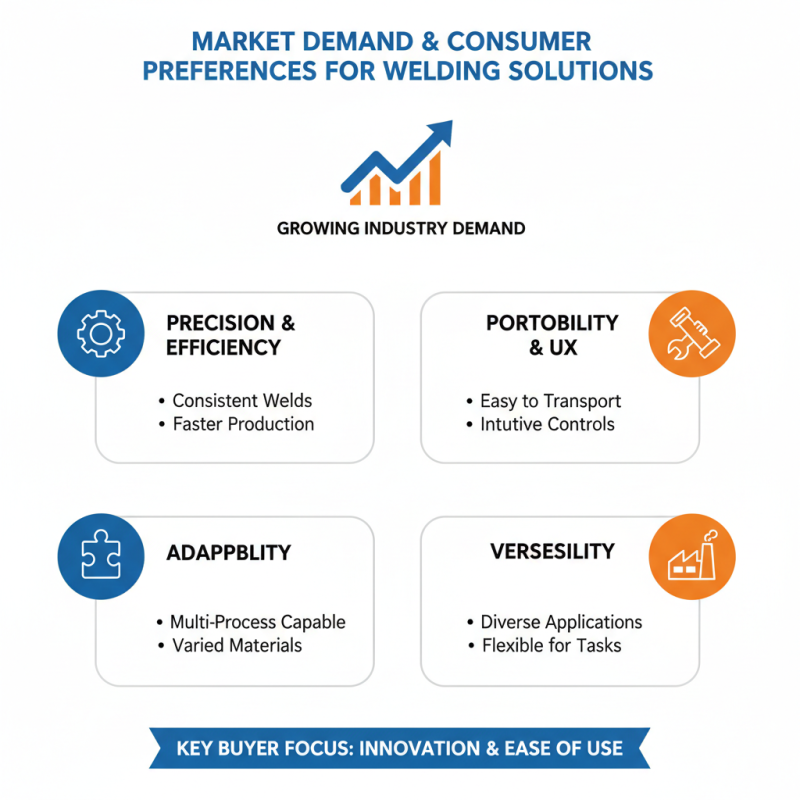
As we approach 2026, advancements in cutting machines are set to redefine the industry. Innovative features are becoming the core focus for manufacturers. Incorporating artificial intelligence can enhance precision and efficiency. Operators will enjoy intuitive interfaces that simplify complex tasks. This shift towards user-friendly design is notable, especially for both seasoned professionals and newcomers.
Moreover, the integration of smart technology brings new monitoring capabilities. These machines can now provide real-time diagnostics. Users will have access to crucial data that helps in decision-making. However, the complexity of these technologies may require additional training, which presents a challenge. There is a balance to strike between innovation and usability that companies need to address.
Another key trend is the increased emphasis on sustainability. Advanced cutting machines are being designed to minimize waste. More efficient energy consumption will not only benefit the environment but also reduce operational costs. Buyers should consider these factors to ensure they invest wisely. The market is evolving rapidly, and understanding these details will be crucial for success in the future.