2026 Top Fuel Nozzles for Efficient Refueling Solutions?
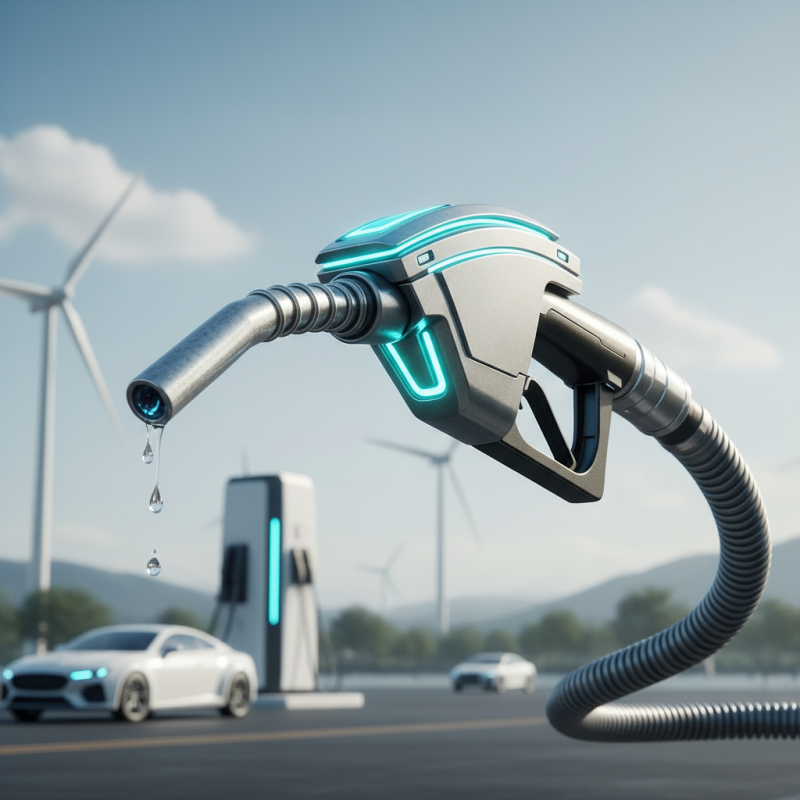
In the pursuit of sustainability and efficiency, innovative fuel nozzles are emerging as vital tools in the refueling process. These devices can improve energy transfer and reduce waste. The right fuel nozzles enhance the speed and accuracy of refueling, which is crucial for various industries.
However, not all fuel nozzles provide the same results. Some may lead to spills, while others may not fit properly. It is essential to identify reliable options that promote efficiency. The challenge lies in selecting the best nozzle for specific applications.
As 2026 approaches, advancements in technology may offer potential solutions. New designs could improve flow rates and minimize emissions. While many options are available, the quest for the ideal fuel nozzles continues. There is much to learn in refining these essential components. The future of refueling demands thoughtful innovation and attention to detail.
Overview of Top Fuel Nozzles and Their Importance in Refueling
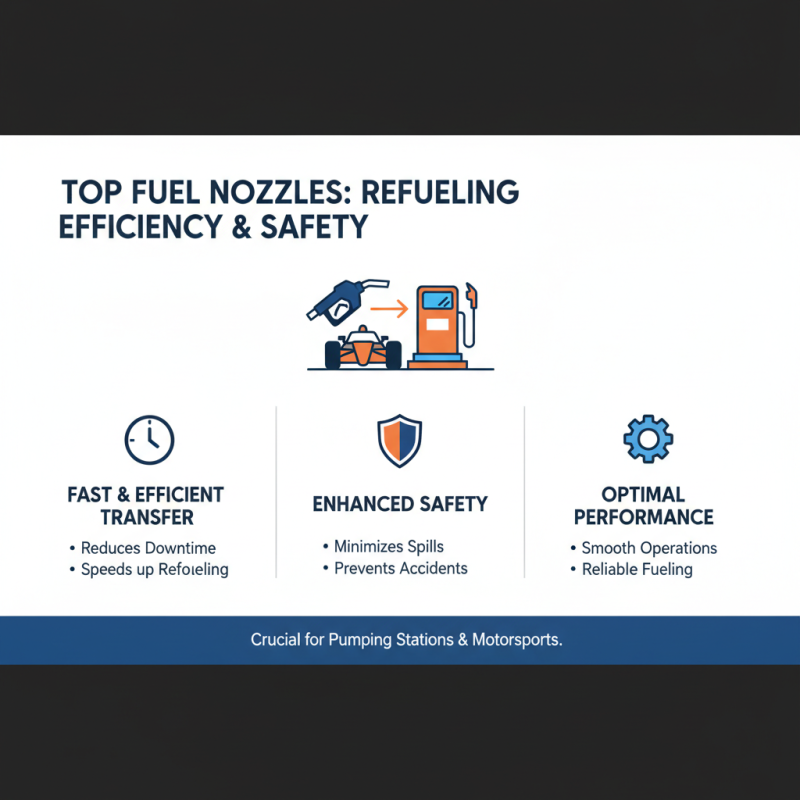
Top fuel nozzles play a crucial role in the refueling process. They ensure the fast and efficient transfer of fuel. The right nozzle can greatly reduce downtime at pumping stations. This efficiency is vital for smooth operations. A well-designed nozzle minimizes fuel spills and ensures safety.
When selecting a nozzle, consider its flow rate. High-capacity nozzles can refuel equipment quicker. They help in meeting tight schedules. Also, check compatibility with different fuel types. Not every nozzle works with every fuel, so research is key.
**Tips:** Always clean nozzles regularly to avoid blockages. Inspect them for wear and tear. A worn nozzle can lead to leaks, which are costly and dangerous. Consider regular training for operators. They should understand how to handle these tools properly for maximum safety.
Key Innovations in 2026 Top Fuel Nozzle Design
In 2026, the design of top fuel nozzles is evolving. These innovations aim to enhance refueling efficiency and safety. Manufacturers focus on materials that resist wear and corrosion. This significantly increases the lifespan of nozzles and ensures reliability.
The new nozzle shapes promote better fuel flow. They minimize splash and vapor loss during refueling. Engineers are experimenting with various exit angles. Small adjustments can have a big impact on performance. Some designs aim to improve aerodynamics, but results can be inconsistent.
User feedback is crucial in the design phase. Some users report difficulties in handling new features. Not everyone finds the improved designs intuitive. There is an ongoing need to simplify the user experience. Balancing innovation and practicality remains a challenge.
2026 Top Fuel Nozzle Innovations
The chart below illustrates the advancements in efficiency metrics for Top Fuel Nozzles designed in 2026. Data reflects a comparison of flow rate, spray pattern precision, and fuel atomization quality.
Efficiency Metrics for Assessing Refueling Solutions
The efficiency of refueling solutions can significantly impact operational costs and timelines. Various metrics help assess these solutions, including refueling speed, nozzle design, and fuel delivery accuracy. According to industry data, optimizing nozzle design can improve fuel flow rates by up to 25%. A well-designed nozzle minimizes turbulence, ensuring quick and efficient refueling.
Tips: Regularly evaluate nozzle maintenance. Worn nozzles can lead to inefficiencies. Check for clogs and ensure smooth operation.
In terms of efficiency, flow rates should be monitored closely. Studies have shown that every second counts during refueling operations. A minor delay of just five seconds per vehicle can accumulate losses over time. Investing in high-quality nozzles is critical for maintaining consistent performance. However, the initial cost versus long-term savings requires careful consideration.
Tips: Analyze your refueling data periodically. Understanding patterns can reveal hidden inefficiencies. Make adjustments as needed.
Impact of Improved Nozzle Technology on Fuel Economy
The advancement of nozzle technology has significant implications for fuel economy. Improved designs allow for better dispersion and atomization of fuel. This leads to more efficient combustion, which can enhance overall performance. Additionally, a well-designed nozzle can minimize fuel wastage during refueling.
Moreover, the reduction of vapor loss is critical. Modern nozzles are engineered to limit these losses, which can account for a notable percentage of fuel that otherwise escapes. However, achieving perfect efficiency remains a challenge. Some nozzles still struggle with clogging and uneven fuel delivery.
Incorporating feedback from users is vital for ongoing improvements. Real-world performance can differ from theoretical expectations. Continuous assessment and testing can highlight areas that need refinement. Investing in research to tackle these issues is essential for the industry's future. Enhanced nozzle technology promises more than just refueling efficiency – it aims to reshape fuel consumption habits globally.